
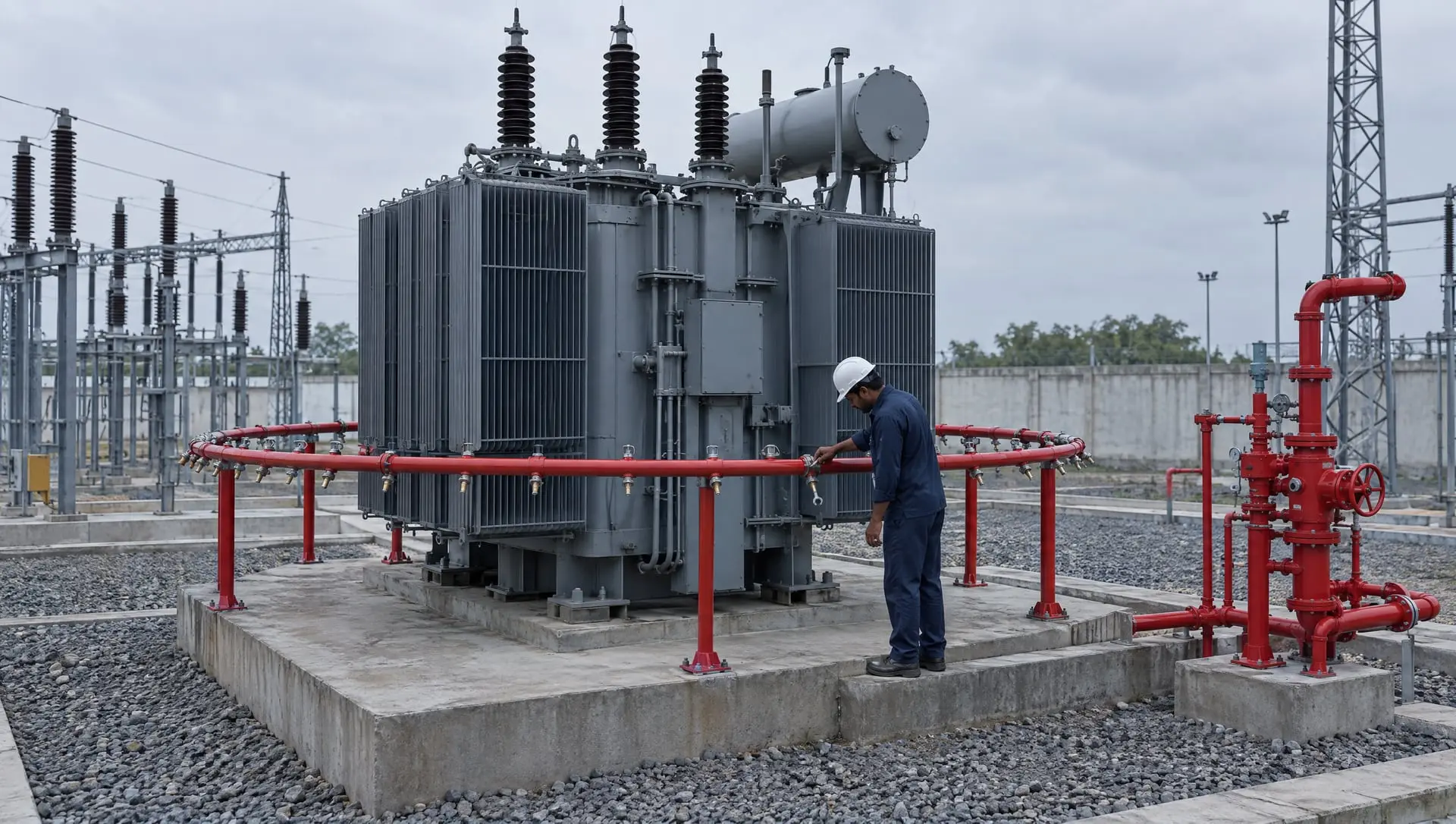
Drencher System Installation in Mumbai
Cease Fire & Electrical Services LLP designs and installs the drencher system for commercial buildings, factories and warehouses in Mumbai. A drencher system uses open nozzles fed by a deluge valve to spray a curtain of water across an opening, void or building face, so heat and flame cannot pass from one area to the next. We design, install and test the complete system, issue Form A as a licensed agency, and maintain it under AMC.
How a drencher system works
The nozzles in a drencher system are open: they have no heat-sensitive bulb. They sit on dry pipework behind a deluge valve. When the fire detection system senses a fire, or someone releases the valve by hand, the deluge valve opens and every nozzle in that zone discharges together. The water forms a continuous sheet that keeps the opening or surface cool and blocks radiant heat.
Where drencher systems are used
- Escalator voids and atriums
- Forms a curtain around the opening so fire and heat do not spread between floors
- Openings in fire and compartment walls
- Closes the gap with water where a solid fire barrier is not practical
- Glazing and facades
- Keeps windows and building faces cool when a nearby building or hazard is on fire
- Loading bays and plant areas
- Separates one area of a site from another
- Tank farms and process areas
- Protects neighbouring equipment, alongside water spray systems
Drencher, sprinkler or water spray?
| System | Nozzles | How it operates | Main use |
|---|---|---|---|
| Sprinkler system | Closed heads with a bulb | Only the heads heated by the fire open | Controlling a fire in the room where it starts |
| Drencher system | Open nozzles | All nozzles in the zone discharge when the deluge valve opens | Stopping fire and heat passing through an opening or across a face |
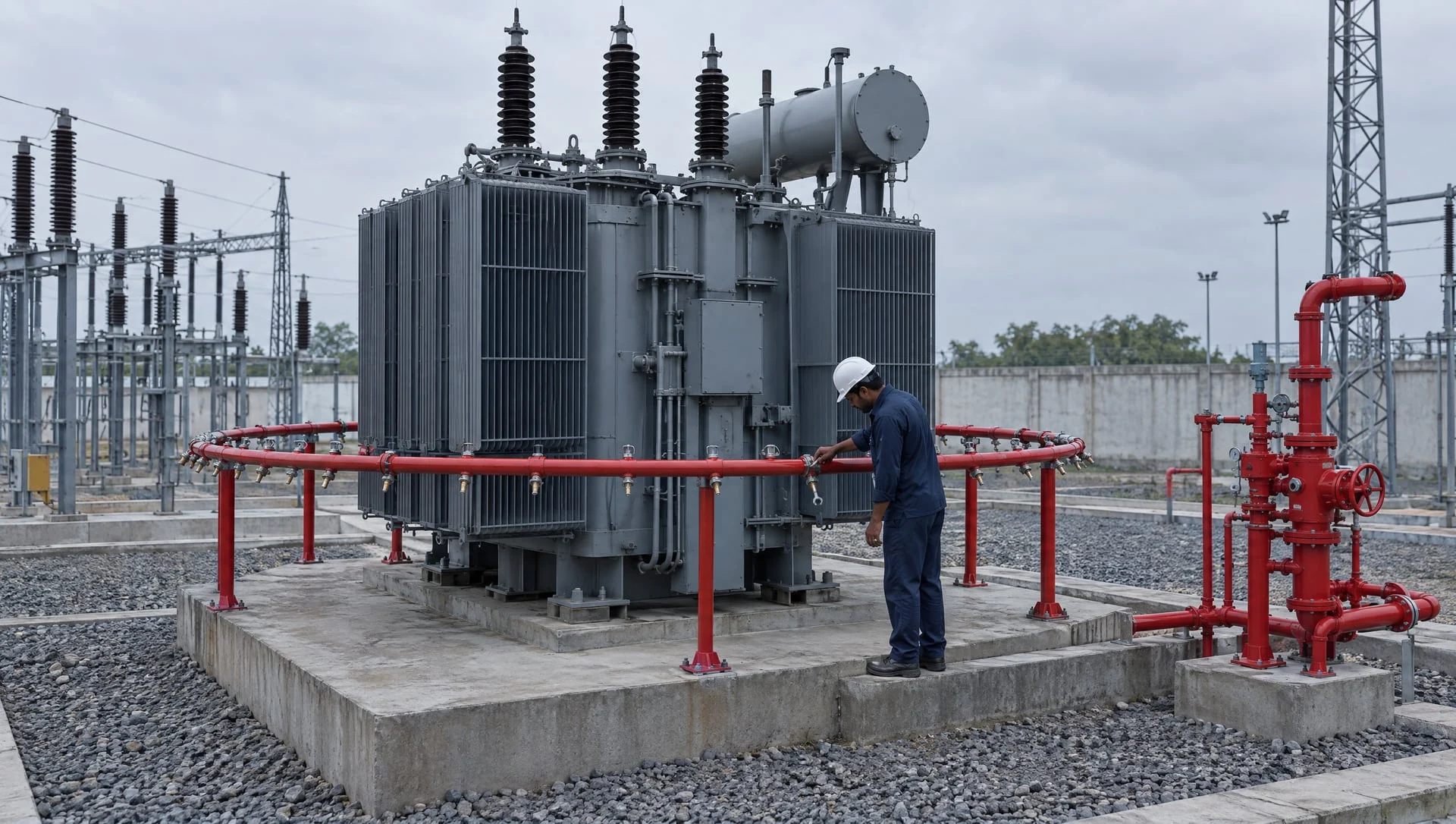
| Water spray system (MVWS or HVWS) | Open spray nozzles | Deluge valve on detection | Cooling or putting out fires on transformers, tanks and equipment |
Components of a drencher system
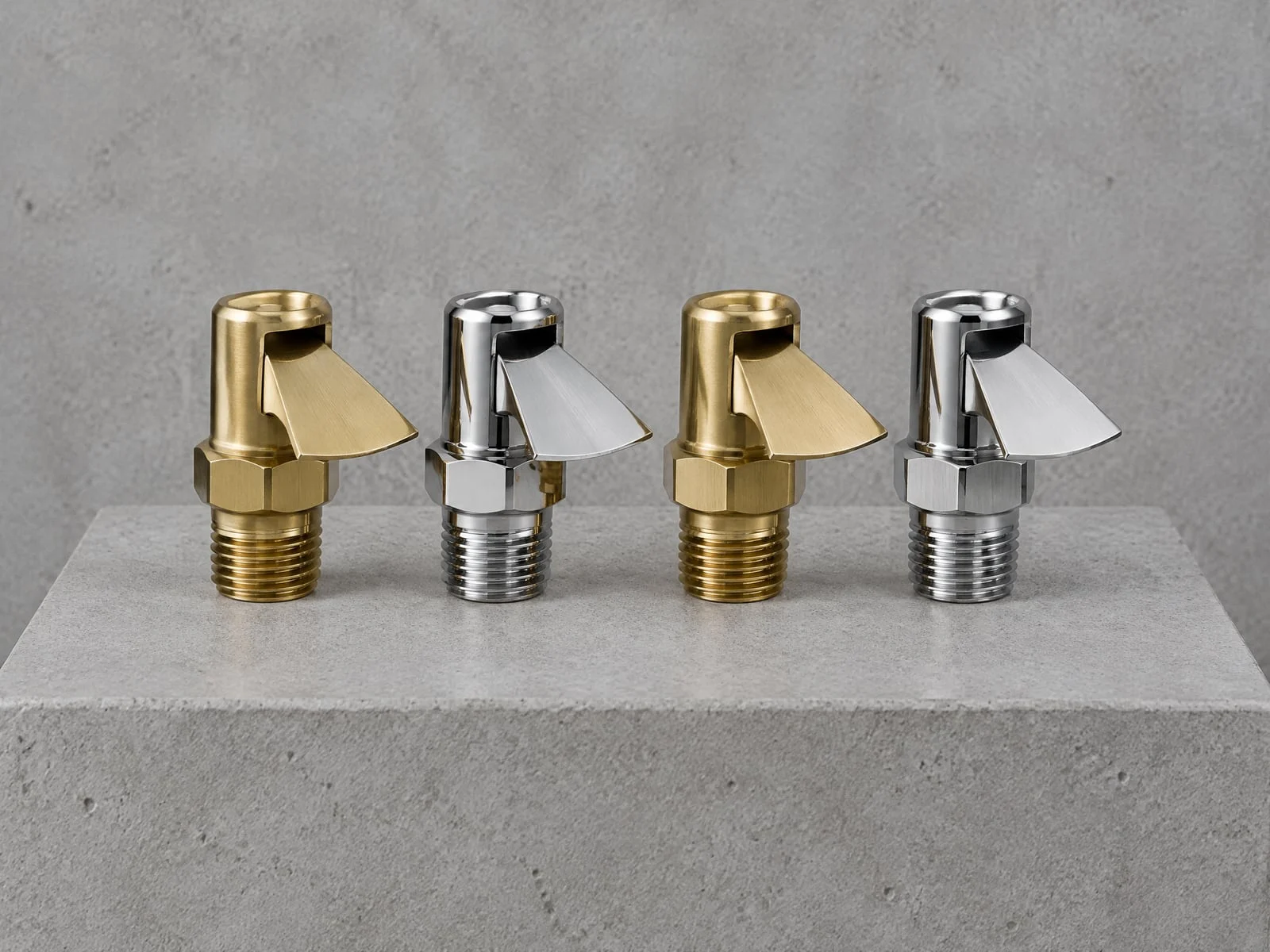
Water curtain (drencher) nozzles
Spread water into a flat sheet across the protected width
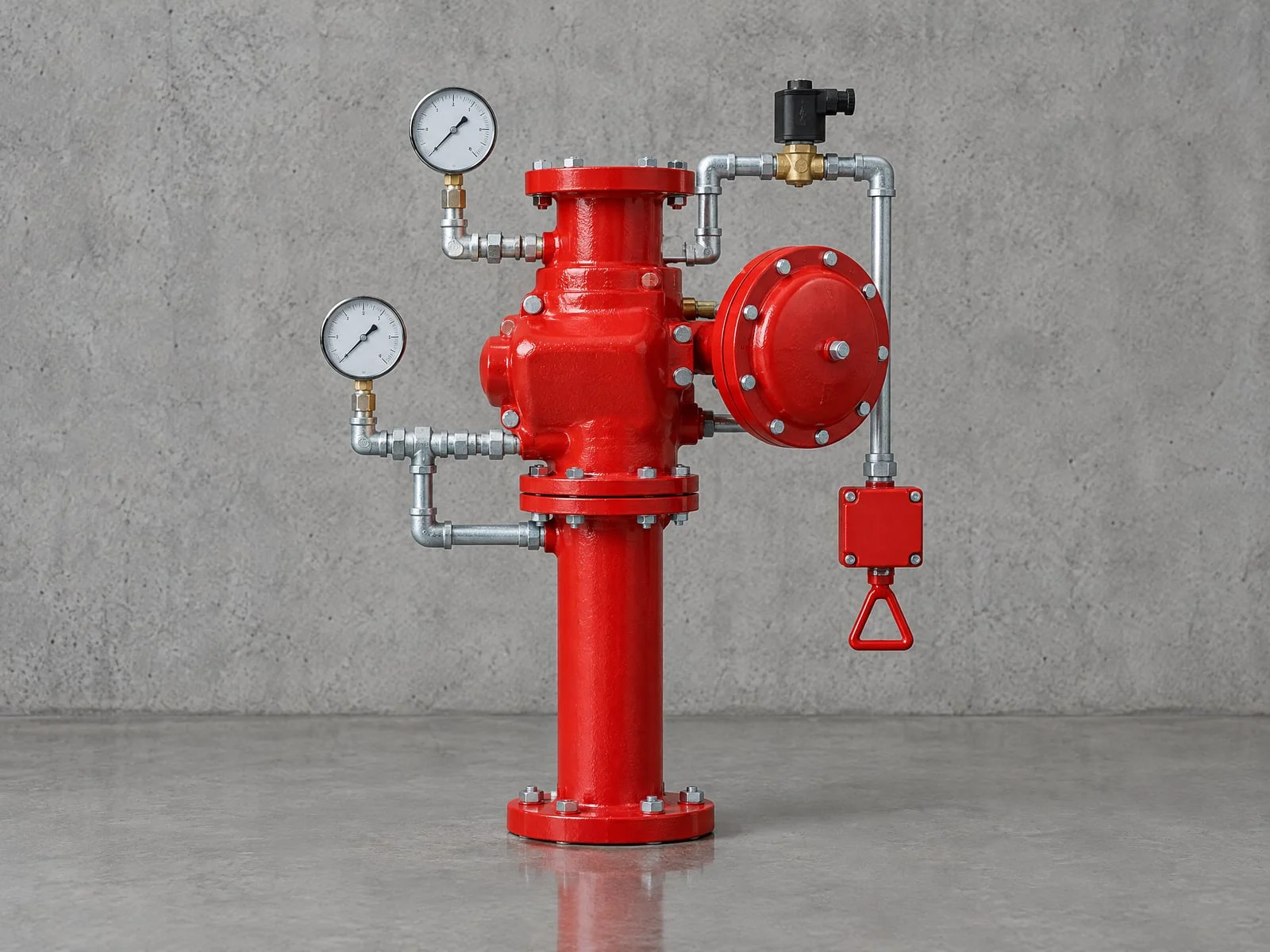
Deluge valve
Holds water back until the detection system or a manual release opens it
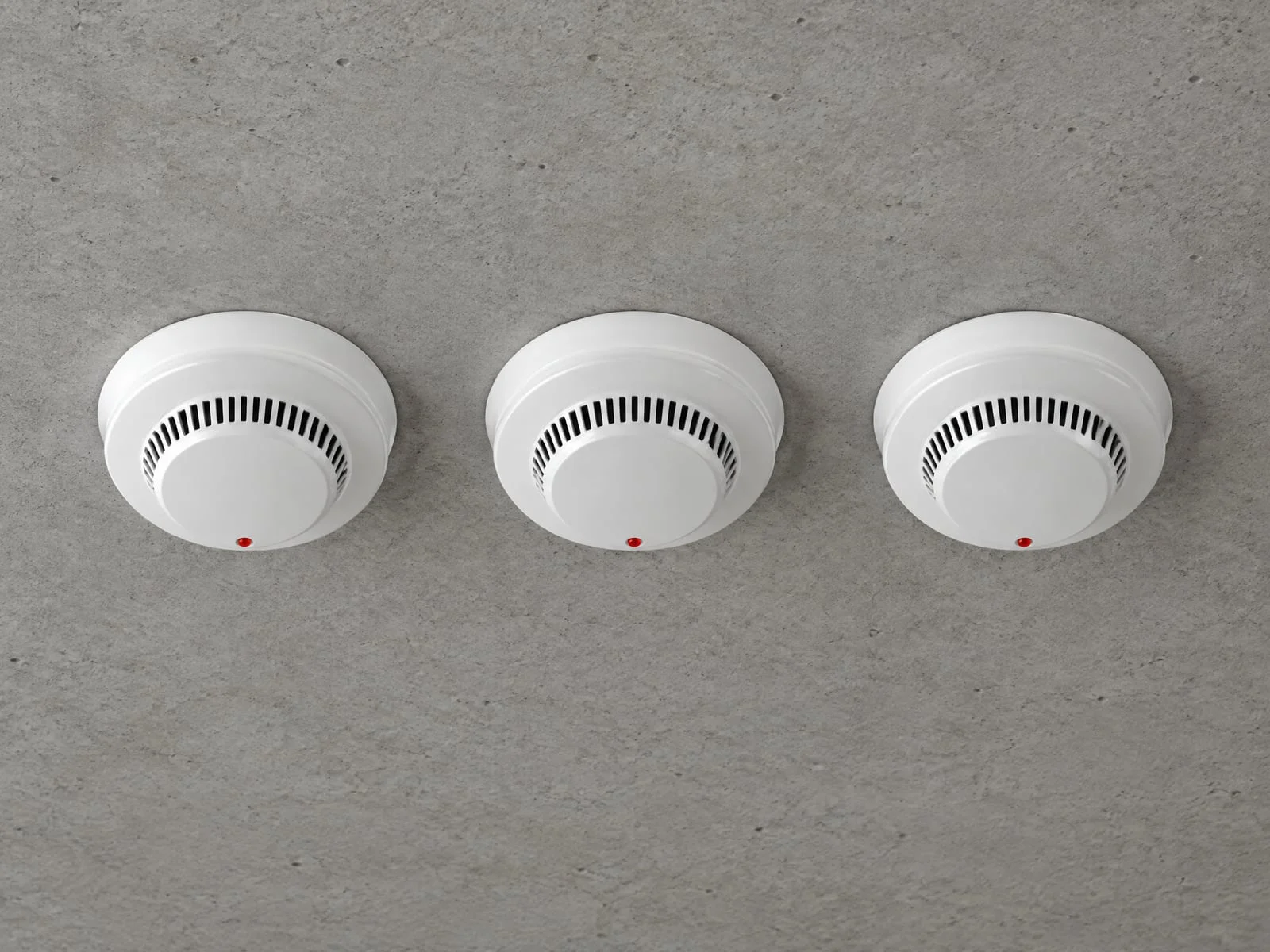
Fire detection and release
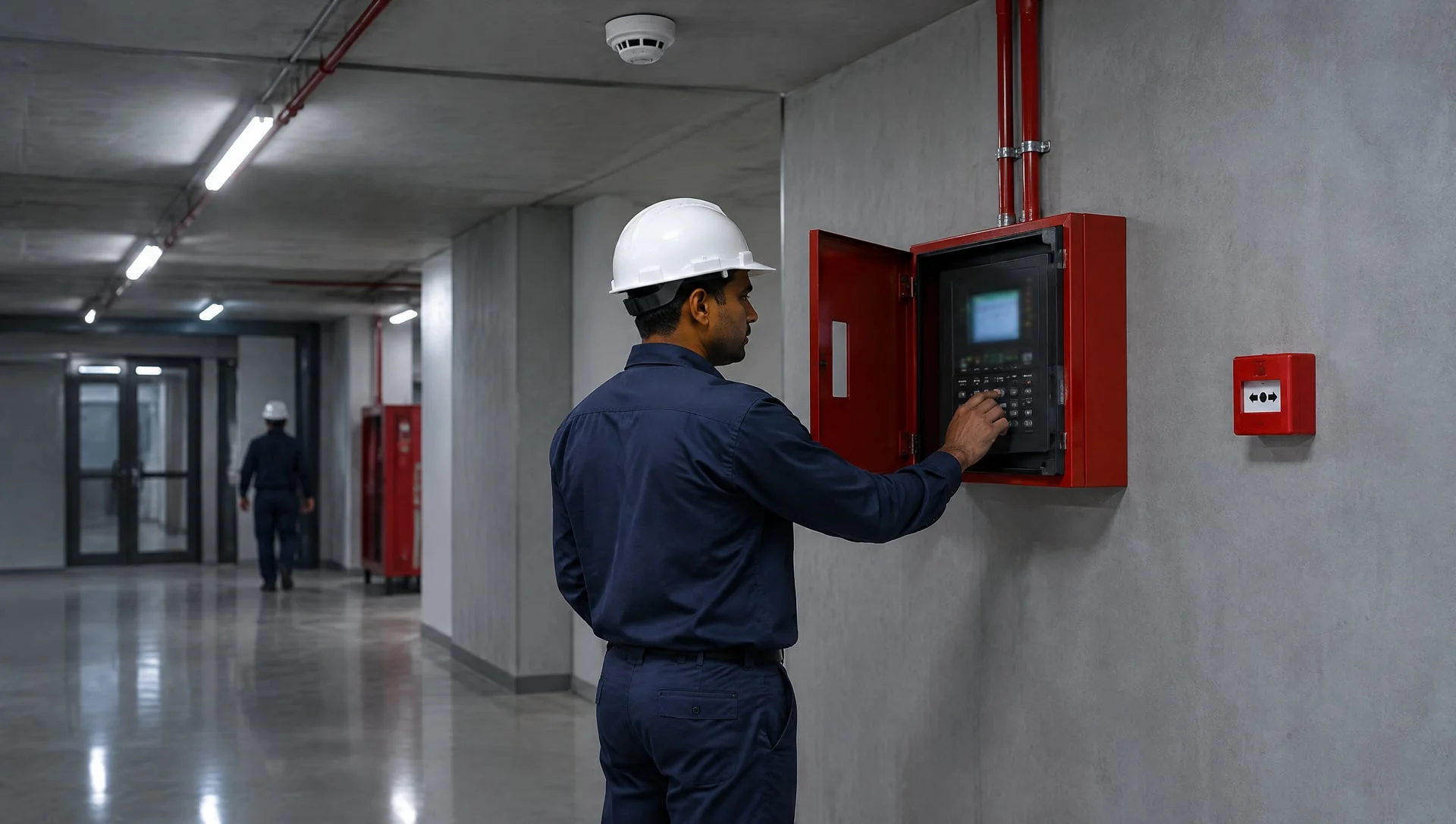
Detectors and a panel that trip the deluge valve, plus a manual release
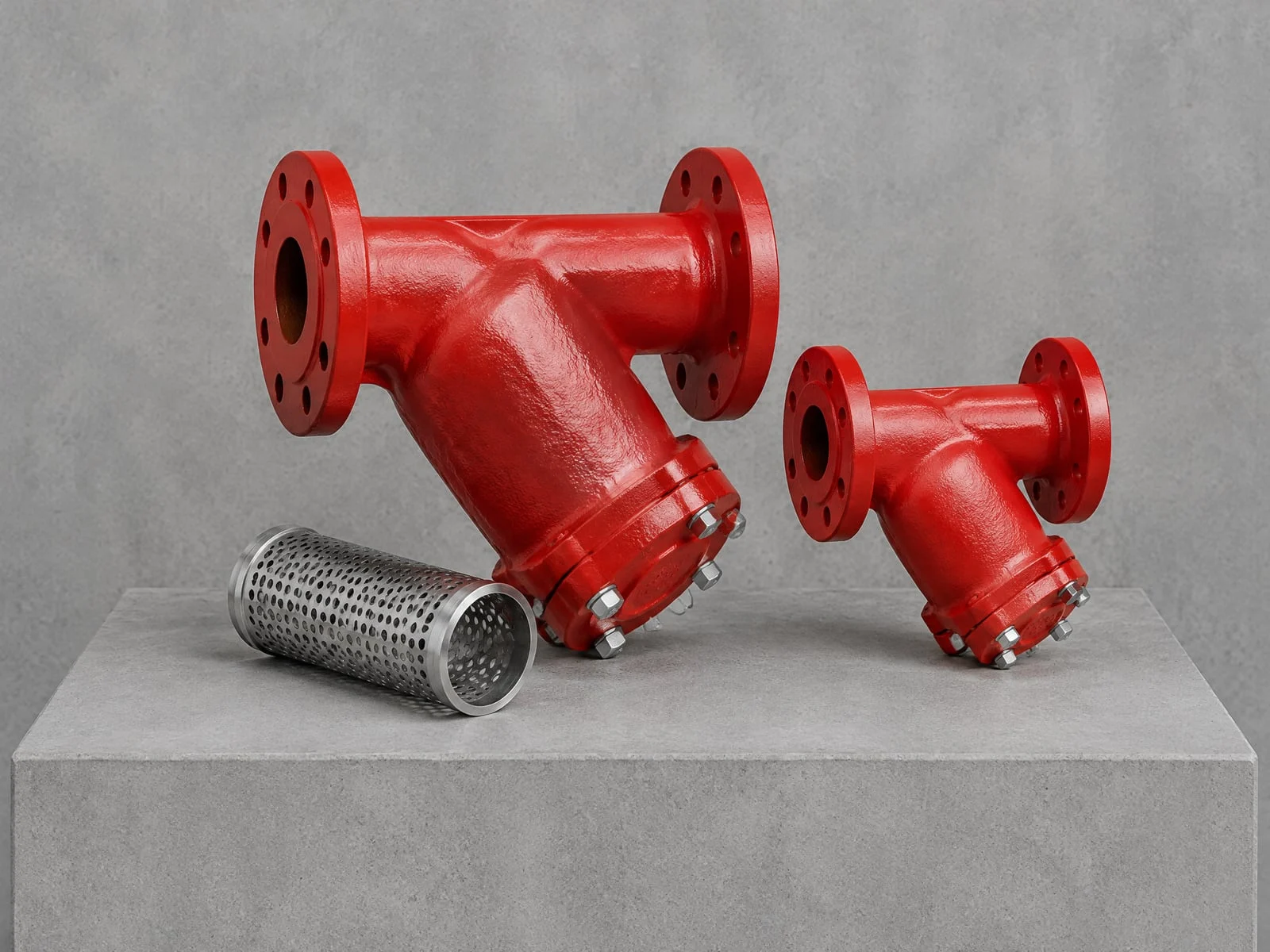
Strainer
Stops debris from blocking the open nozzles
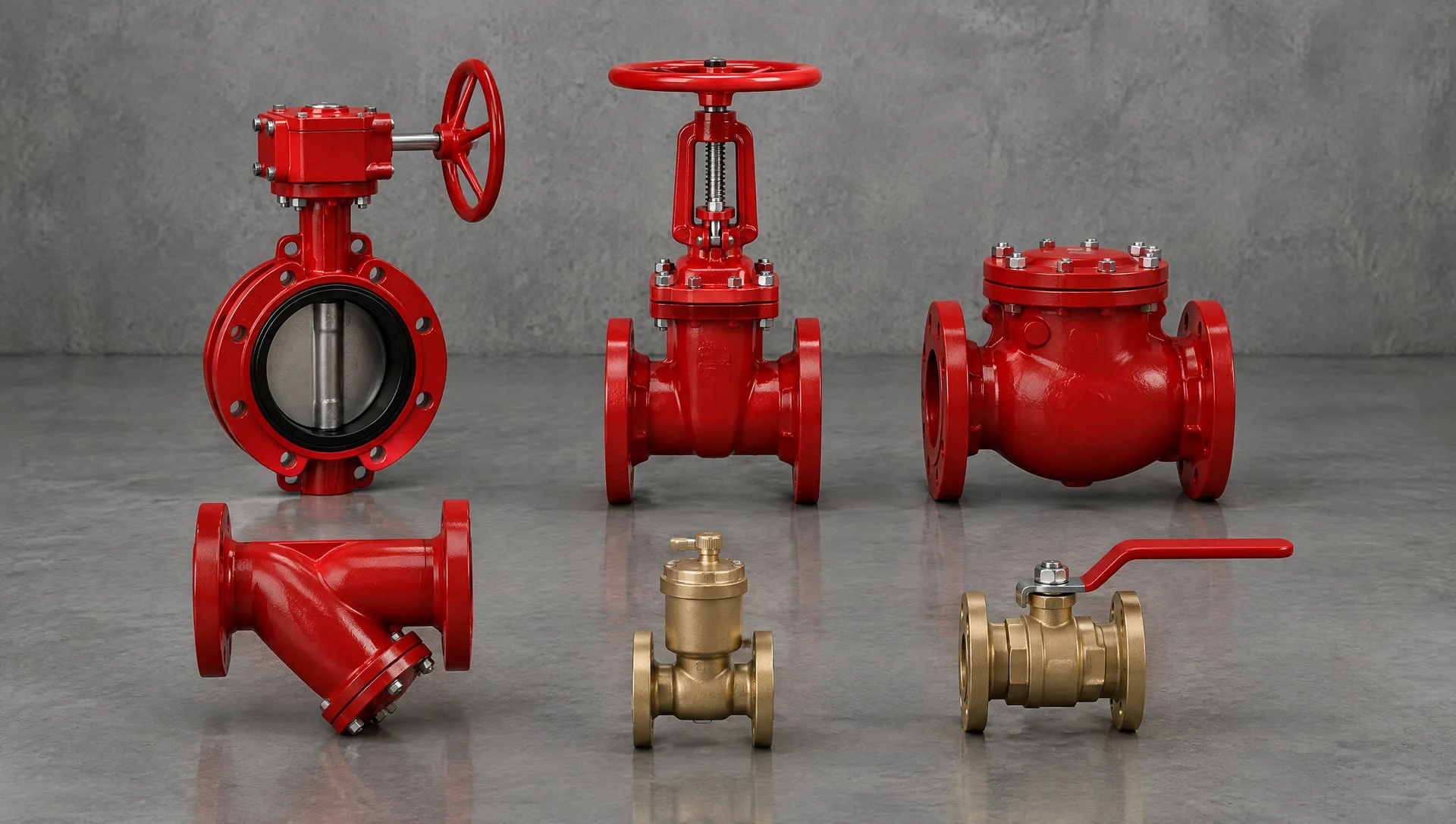
Dry pipework and isolation valves
Carry water to the nozzles and let the zone be isolated for maintenance
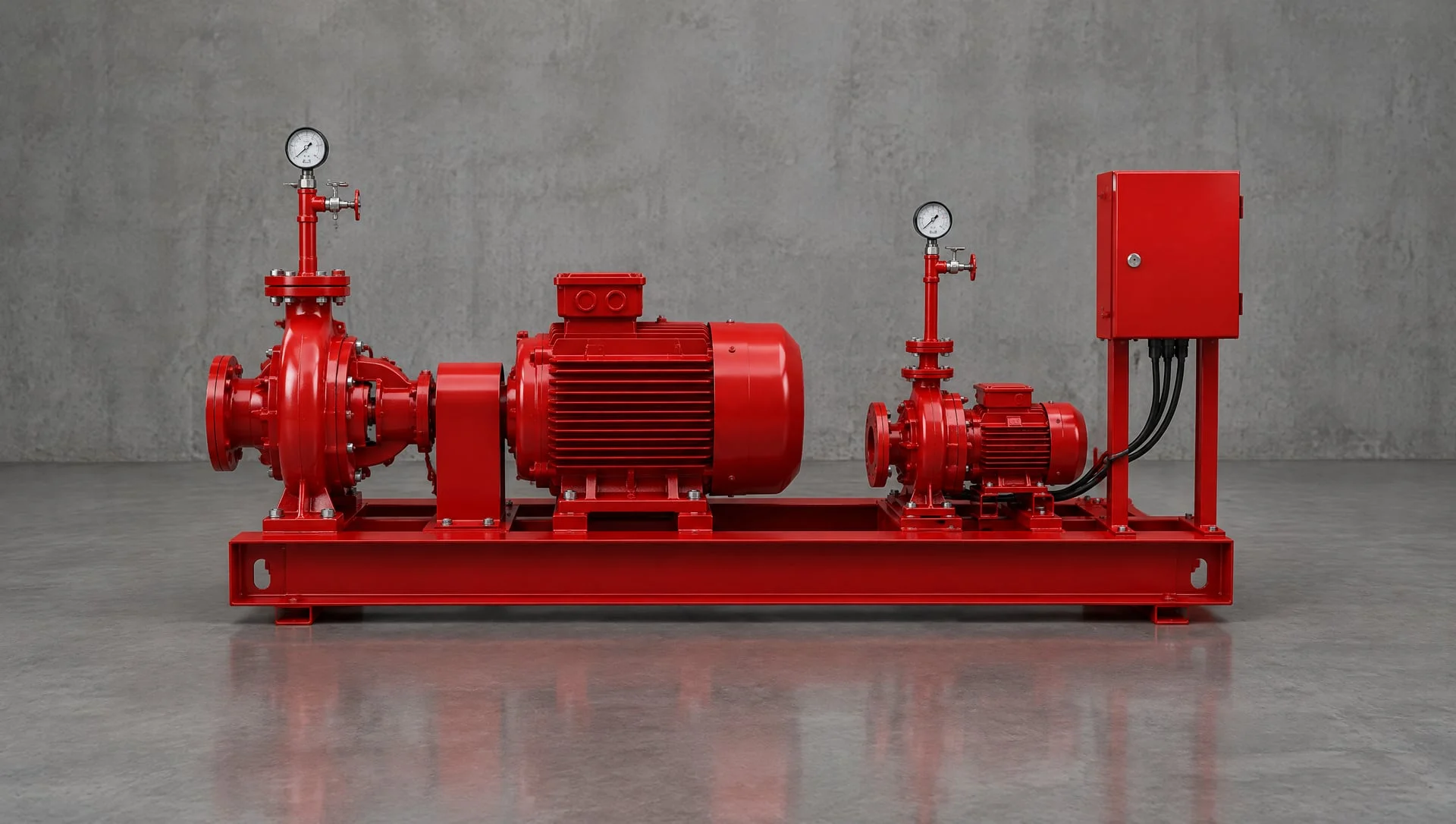
Fire pumps
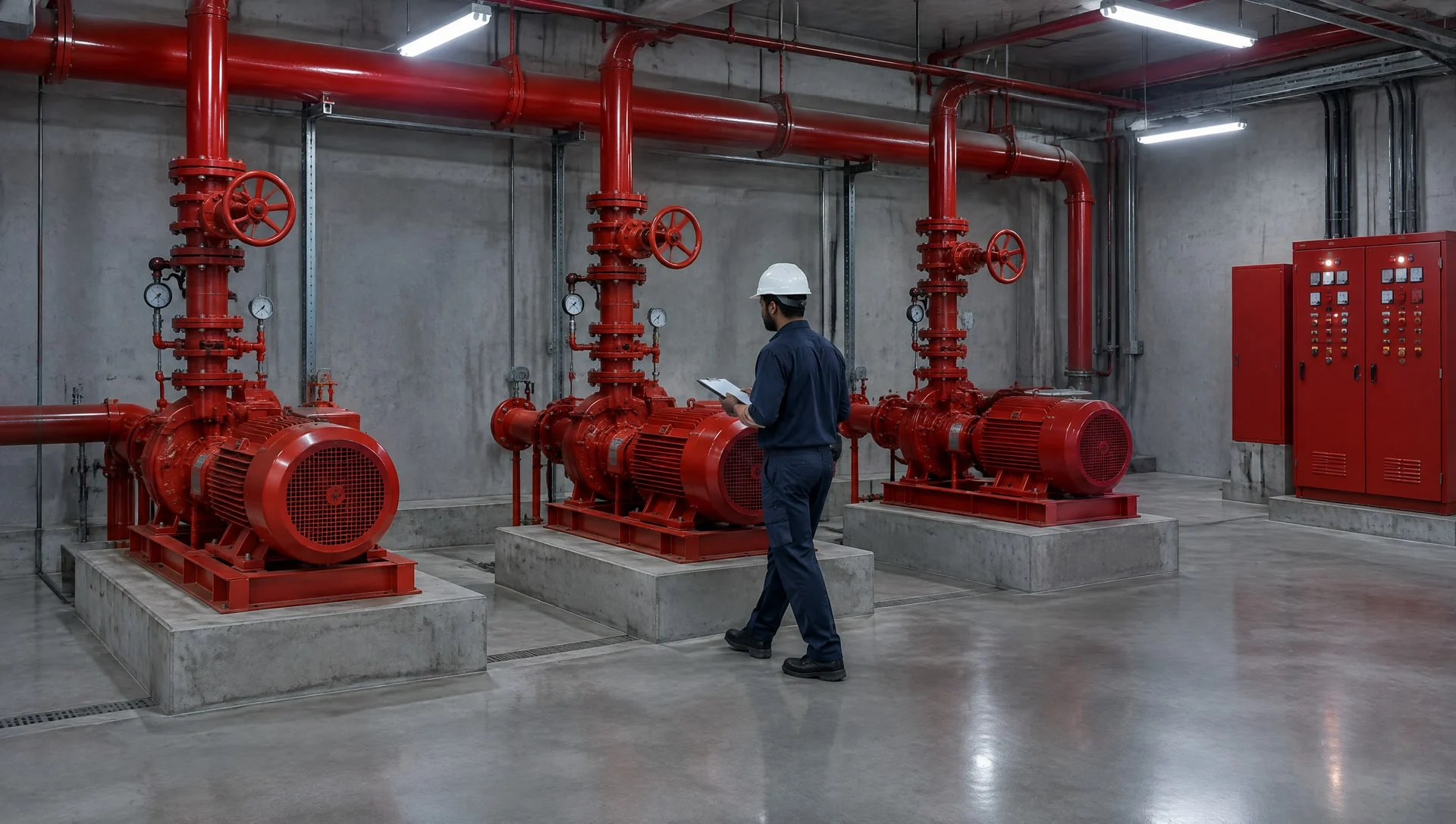
Supply the water flow and pressure the whole zone needs at once
We supply the nozzles, deluge valves, strainers, pumps and valves ourselves. UL listed and FM approved sprinklers, valves and pumps are available where your consultant or insurer needs them.
Design standards
We design drencher systems to the National Building Code of India (NBC), NFPA and FM guidelines, as the project and the fire brigade require. Because every nozzle in a zone flows at once, the water demand is high. Our engineers set the nozzle spacing and zone size, and check pipe sizes and pump duty with hydraulic calculations so the curtain stays continuous across the full width.
Our process
Free site survey
We study the openings, voids or faces to be protected and any existing sprinkler or pump system.
Design
Zones, nozzle spacing, deluge valve and detection layout, hydraulic calculations and drawings.
Supply and installation
Nozzles, deluge valves, pipework, detection and release, installed by our own team.
Testing and commissioning
Pressure testing, a deluge valve trip test and a flow test to check that the curtain is continuous, and training for your staff.
Form A
As a licensed agency, we issue Form A for the work, which you submit to the fire brigade.
AMC and Form B
Usually quarterly checks with an annual service, and the Form B certificate every January and July.
Our sprinkler projects
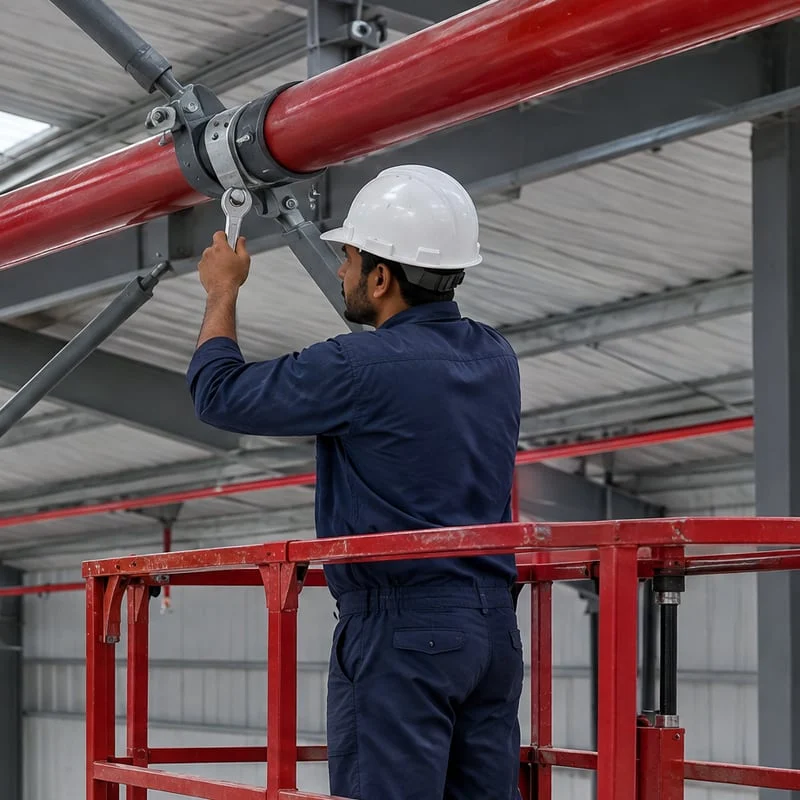

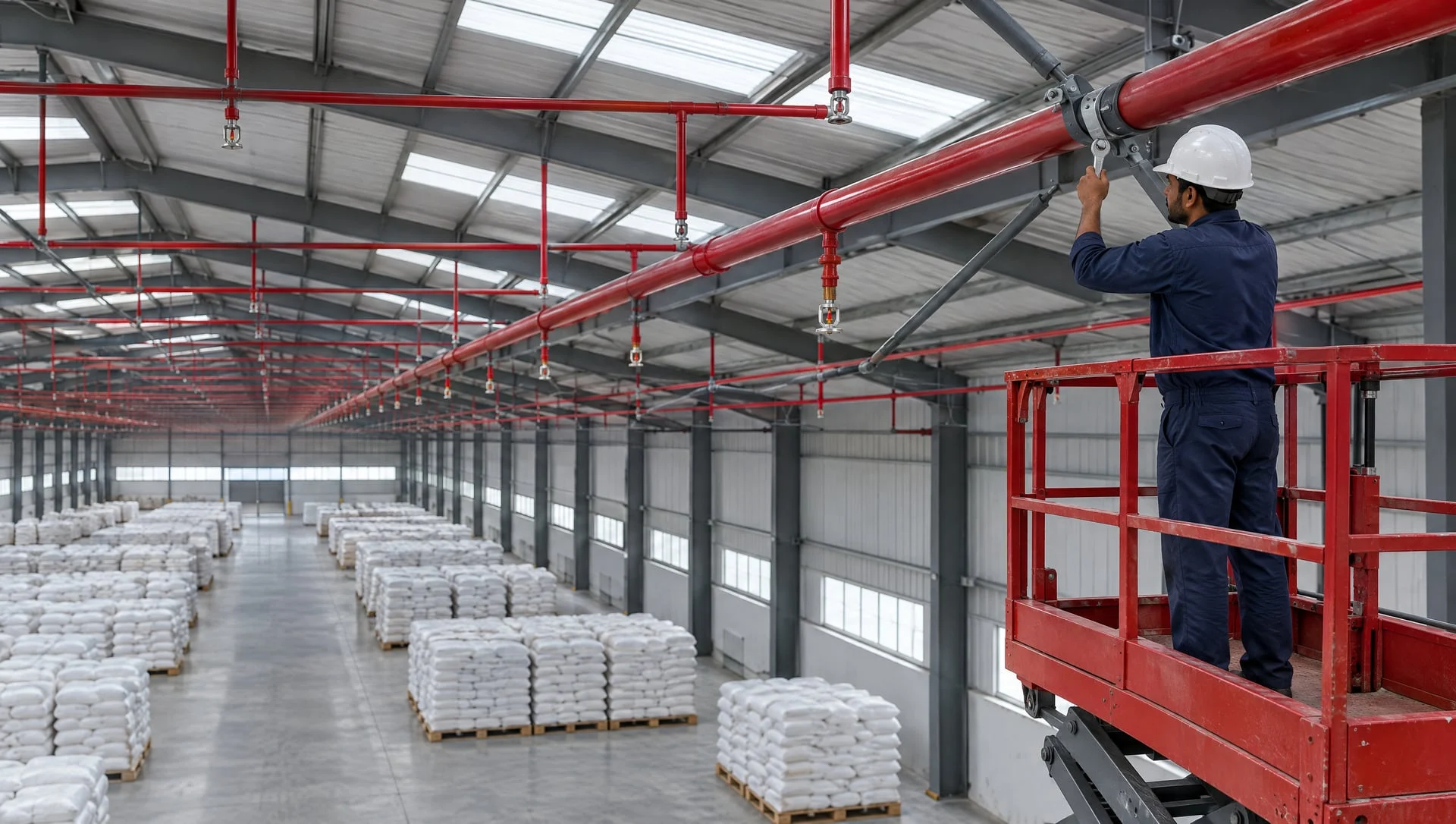
Roquette India, Pantnagar
Roof sprinklers, seismic bracing and fire alarm systems to FM guidelines for four godowns, January 2023 to February 2024.
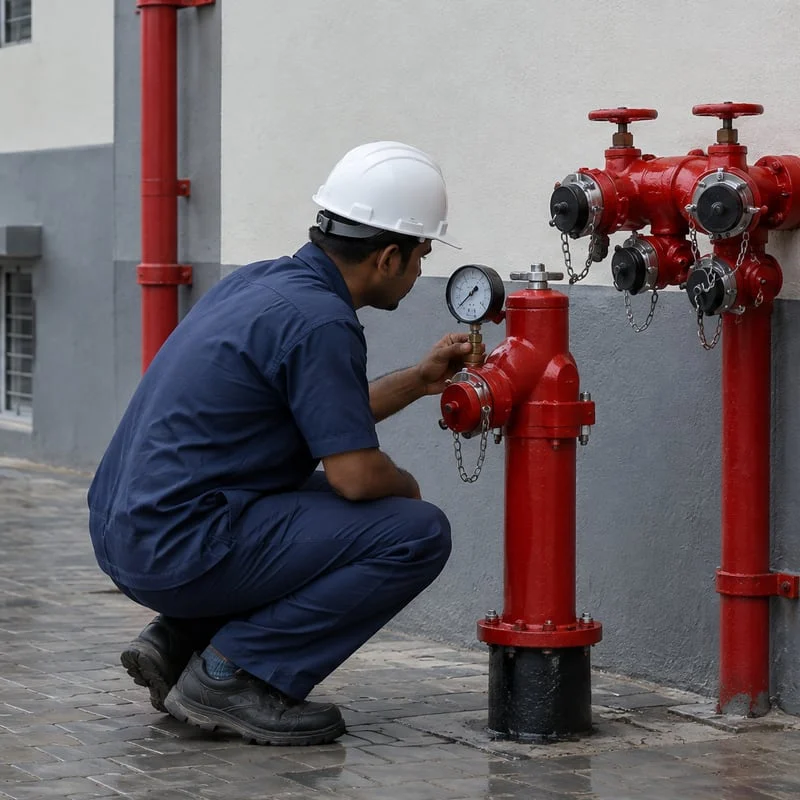

LBS IMU Mumbai Port Campus (CPWD), Sewri
Fire fighting and sprinkler systems for a G + 11 hostel.
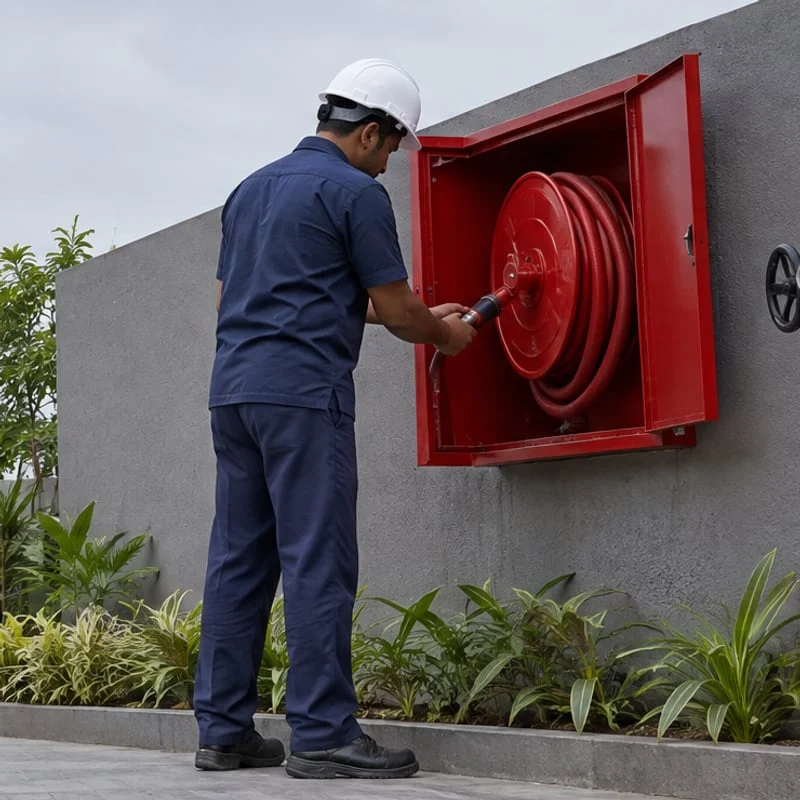

Palkhi Roha, Kandivali East (G + 14)
Fire fighting, sprinkler, fire detection and signage systems, completed in April 2024.
Maintenance and Form B
Open nozzles can be blocked by dirt, paint or insects, and a deluge valve that is never tested may not open. On each service visit we check the nozzles and strainers, test the detection and manual release, and check the deluge valve and pumps. A licensed agency must inspect the system and issue Form B every January and July, and we can include this in your AMC.
Why choose Cease Fire
Since 1992
1,500+ projects and the Rashtriya Nirman Ratna Award for Best Government Contractor (2002).
Licensed
Maharashtra Fire Services Licensed Agency (MFS/
LA/ ), issuing Form A and Form B.RF-93/ RD-95 Complete packages
Nozzles, deluge valves, detection, pumps and pipework from one team, designed and tested together.
Engineered
Zone sizes and water demand checked with hydraulic calculations.

Book a free site survey
Tell us what you need to protect, with the width and height of each opening or face, and send drawings if you have them. We will survey the site and send a clear proposal.
Frequently asked questions
What is a drencher system?
A drencher system is a set of open nozzles on dry pipework, fed by a deluge valve. When the valve opens, all the nozzles spray together to form a curtain of water across an opening or surface.
What is the difference between a drencher and a sprinkler?
A sprinkler head is closed and opens on its own in the heat of a fire, so only heads near the fire operate. Drencher nozzles are always open, and all the nozzles in the zone discharge together when the deluge valve opens.
Is a drencher system the same as a water curtain?
In practice, yes. A drencher system is the pipework, valve and nozzles; the water curtain is the sheet of water it forms.
Where is a drencher system needed?
Drenchers protect escalator voids, atriums, openings in fire walls, glazing and facades exposed to fire, and areas that need to be separated. Whether your building needs one depends on its design and the fire brigade's requirements.
How is a drencher system activated?
The deluge valve opens on a signal from the fire detection system, or it can be released by hand. Water then flows to every nozzle in that zone.
Can a drencher system use the same pumps as the sprinklers?
Often, yes, if the pumps and tank are sized for the extra demand. We check this with hydraulic calculations before design is finalised.
How often should a drencher system be tested?
Most sites have quarterly checks and an annual service under AMC, including a check of the detection, release and deluge valve. A licensed agency must also inspect the system and issue Form B every January and July.
Have you installed sprinkler systems on industrial projects?
Yes. We installed roof sprinklers, seismic bracing and fire alarm systems to FM guidelines for four godowns at Roquette India in Pantnagar. See the project page.
Question not answered here? Call our team, Monday to Saturday, 9 am to 7 pm.
Call +91 9920676281