
Air Release Valve for Fire Fighting in Mumbai
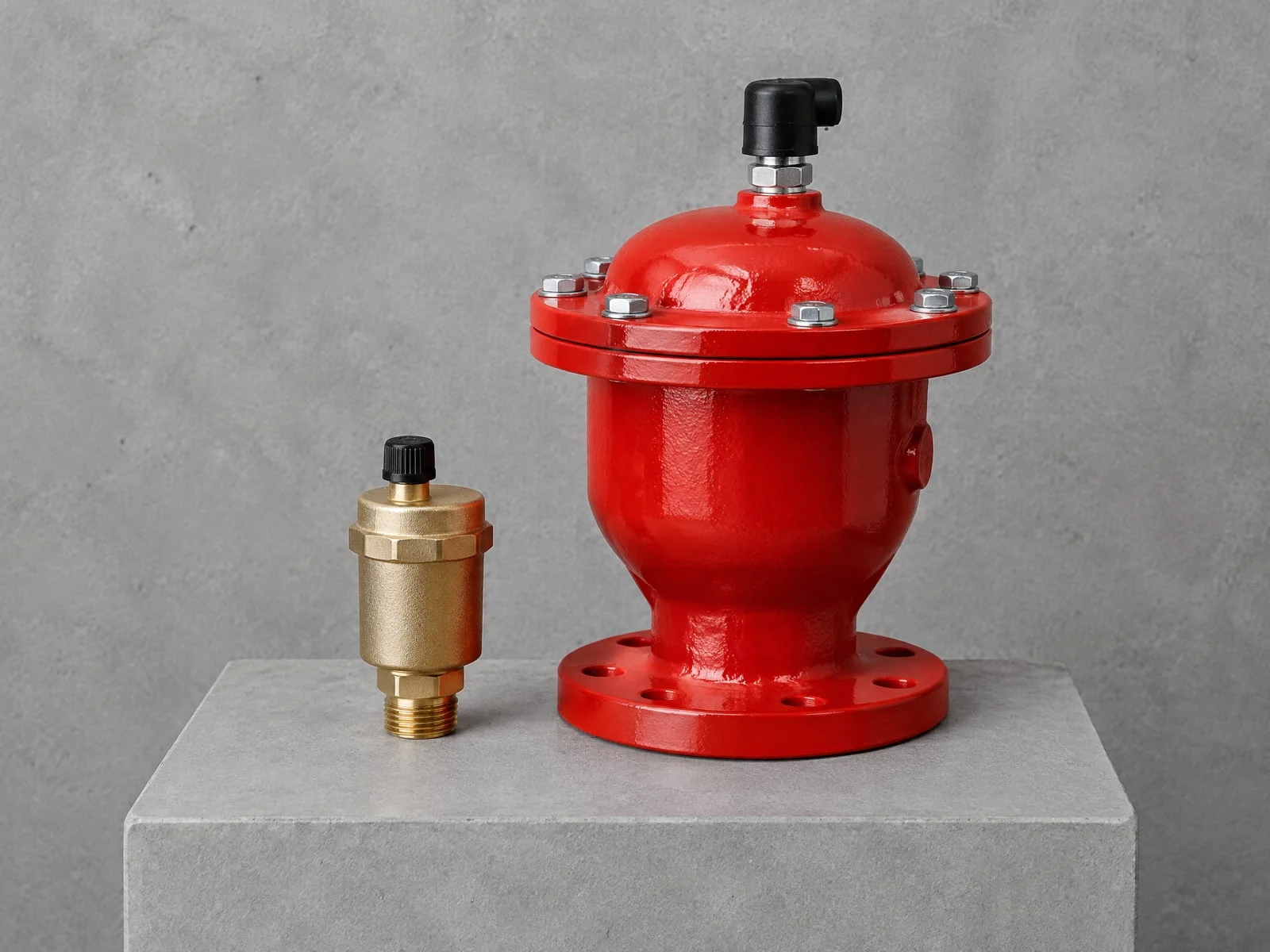
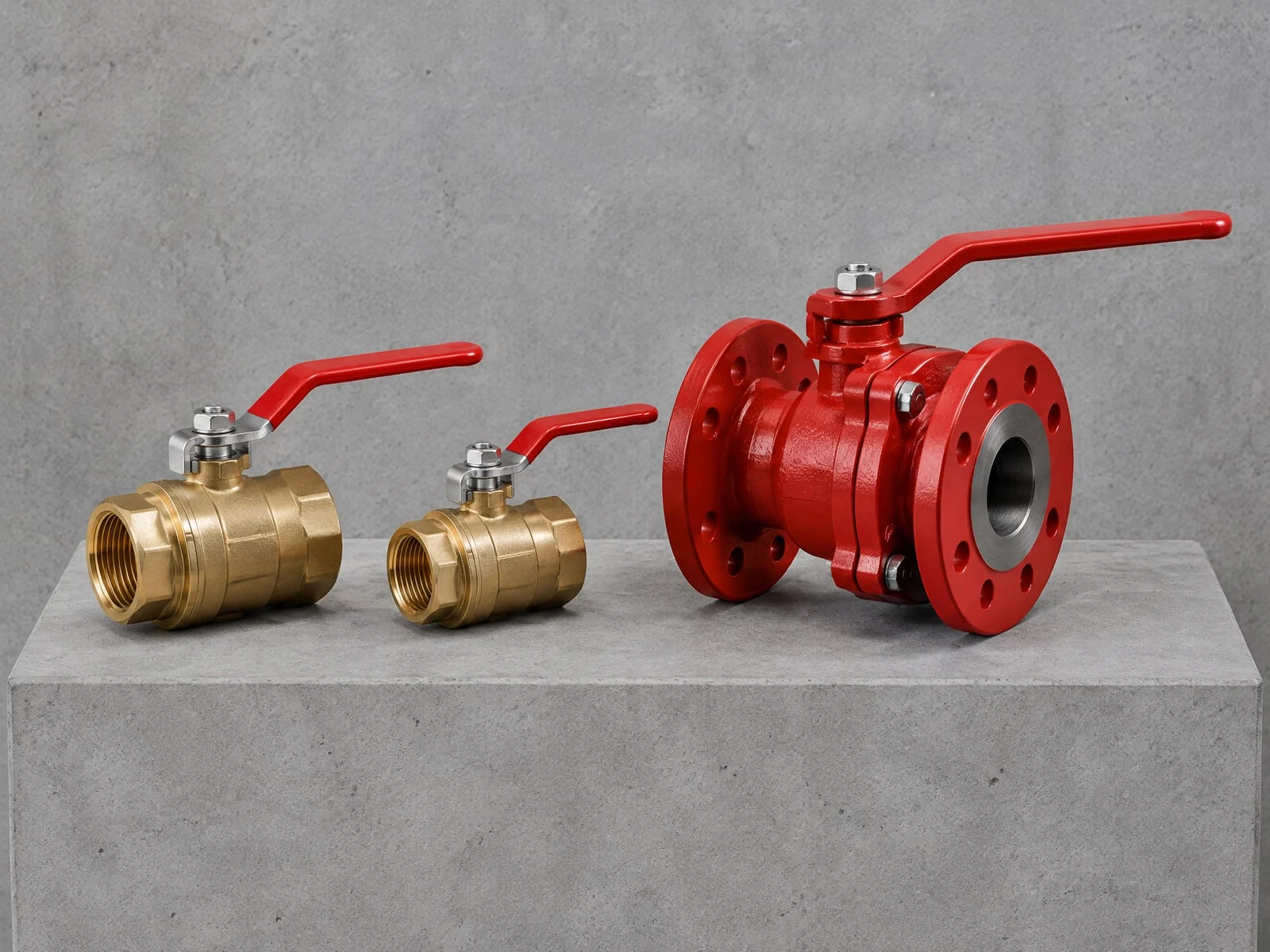
Cease Fire & Electrical Services LLP supplies the air release valve for fire risers, ring mains and pump lines in Mumbai, from 15 mm forged brass valves to 200 mm flanged kinetic air valves. An air release valve lets trapped air escape automatically from high points, then closes when water reaches its float. This keeps flow and pressure steady at hydrants and sprinklers and helps the system fill and drain properly.
Types we supply
Sizes
Forged brass air release valve15, 20 and 25 mm (½ to 1 inch)
Cast iron kinetic air valve25, 40, 50, 80, 100, 150 and 200 mm
Body
Forged brass air release valveForged brass to IS 6912 Gr. FLB
Cast iron kinetic air valveCast iron body, cover and cowl to IS 210 FG 200
Float
Forged brass air release valveHigh-density expanded polyethylene
Cast iron kinetic air valveRubber-coated floats with large and small orifices
Strainer
Forged brass air release valveStainless steel SS 304
Cast iron kinetic air valveNot applicable
Seat
Forged brass air release valveNitrile rubber
Cast iron kinetic air valveAsk us
Ends
Forged brass air release valveScrewed male, BSP
Cast iron kinetic air valveFlanged to IS 1538
Working temperature
Forged brass air release valveUp to 120°C
Cast iron kinetic air valveAsk us
How it works
While the system fills
Air in the empty pipes must get out, or it stays trapped at high points. The valve is open, so air escapes.
When water arrives
The float rises and closes the outlet, so the line can build full pressure.
In service
Small pockets of air that collect under pressure are released through the small orifice.
While draining
A kinetic air valve lets air back in through its large orifice, so the pipes drain fully without forming a vacuum.
Where air release valves are fitted
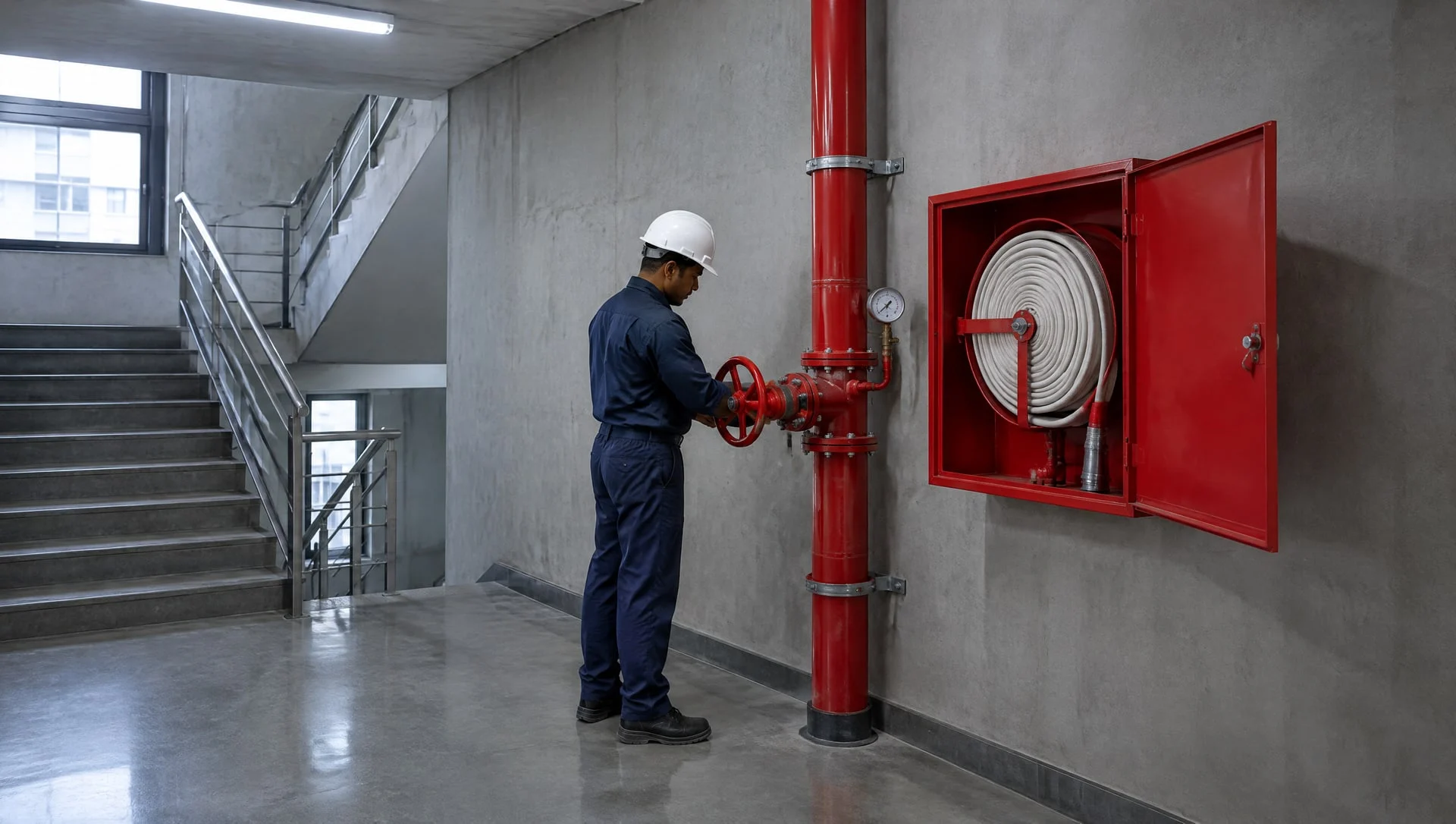
- Top of each wet riser: the highest point of a building's hydrant or sprinkler riser.
- Top of dry risers: so air can escape when the fire brigade pumps water in through the inlet.
- High points of ring mains and yard pipework: anywhere the pipe rises and then falls.
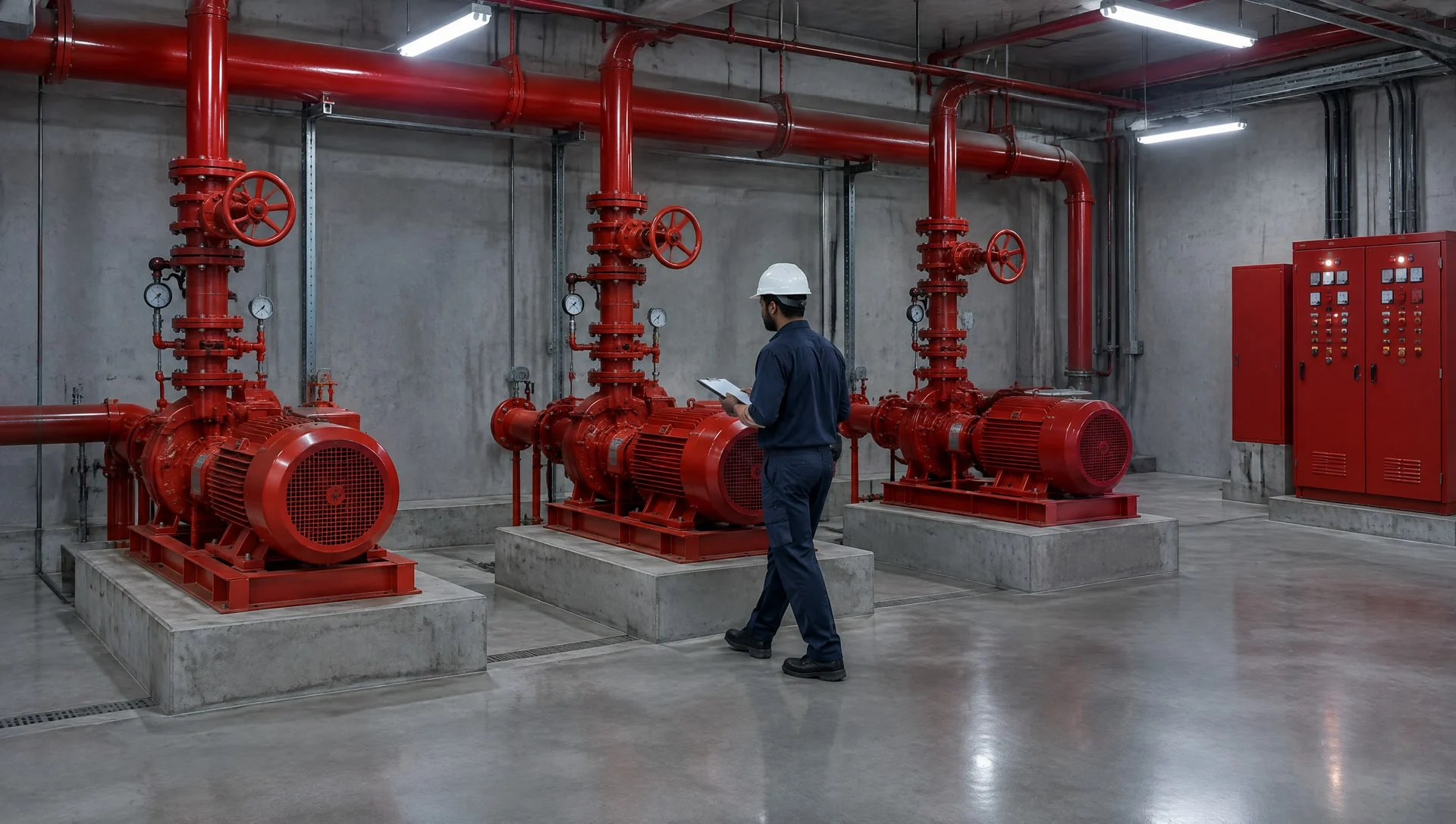
- Pump rooms: on pump casings and delivery headers where the design calls for them.
Supply, installation and servicing
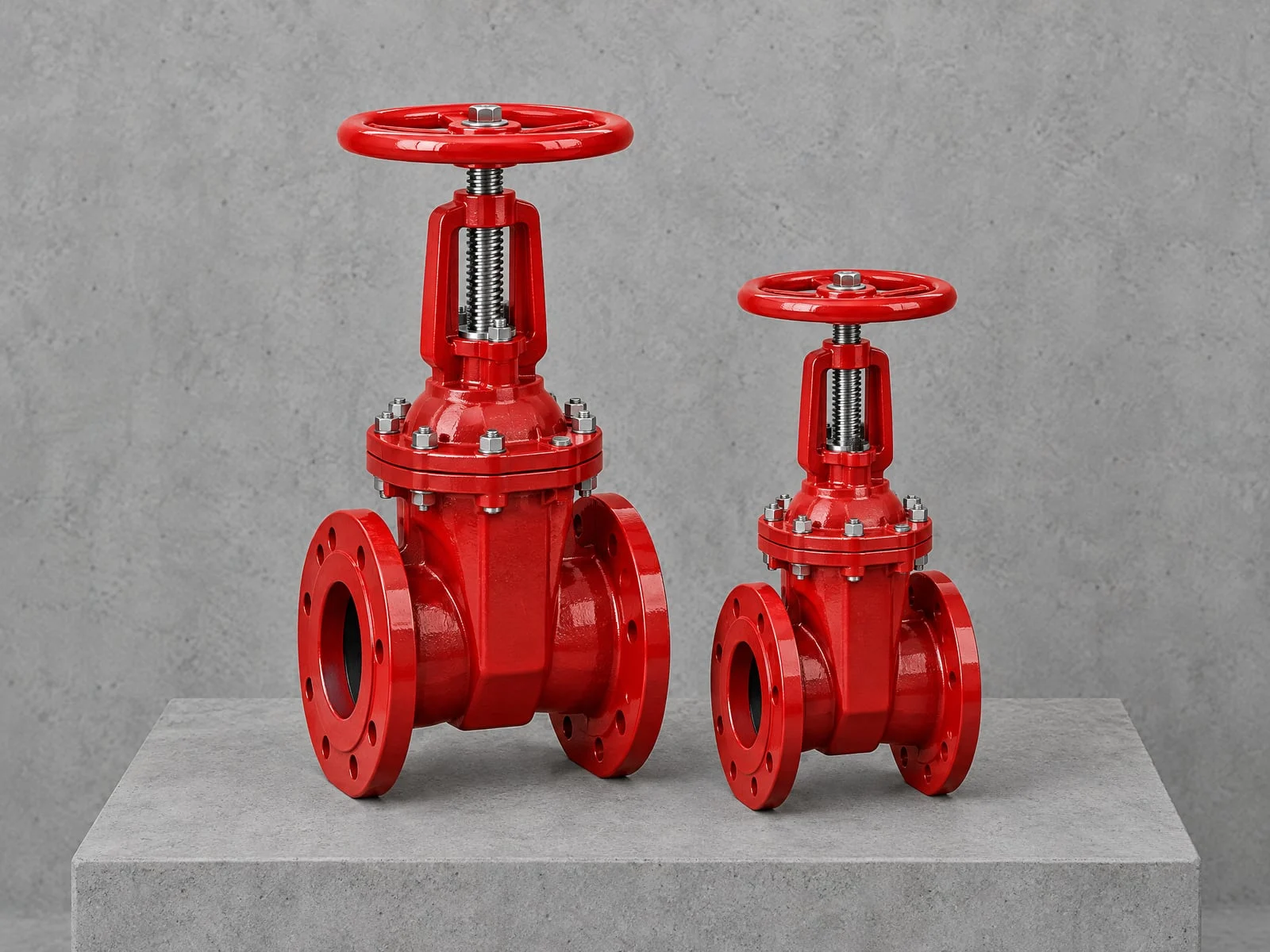
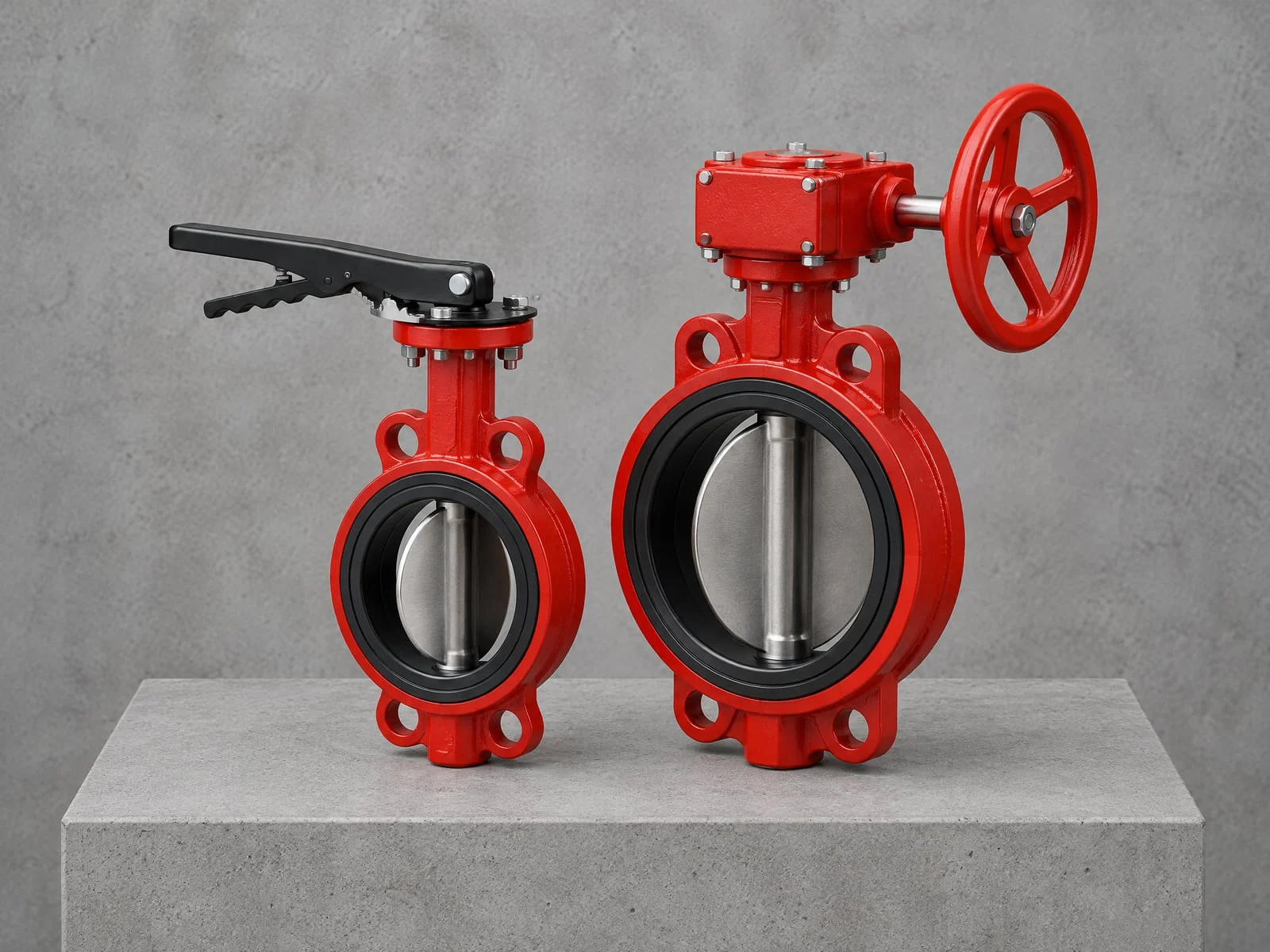
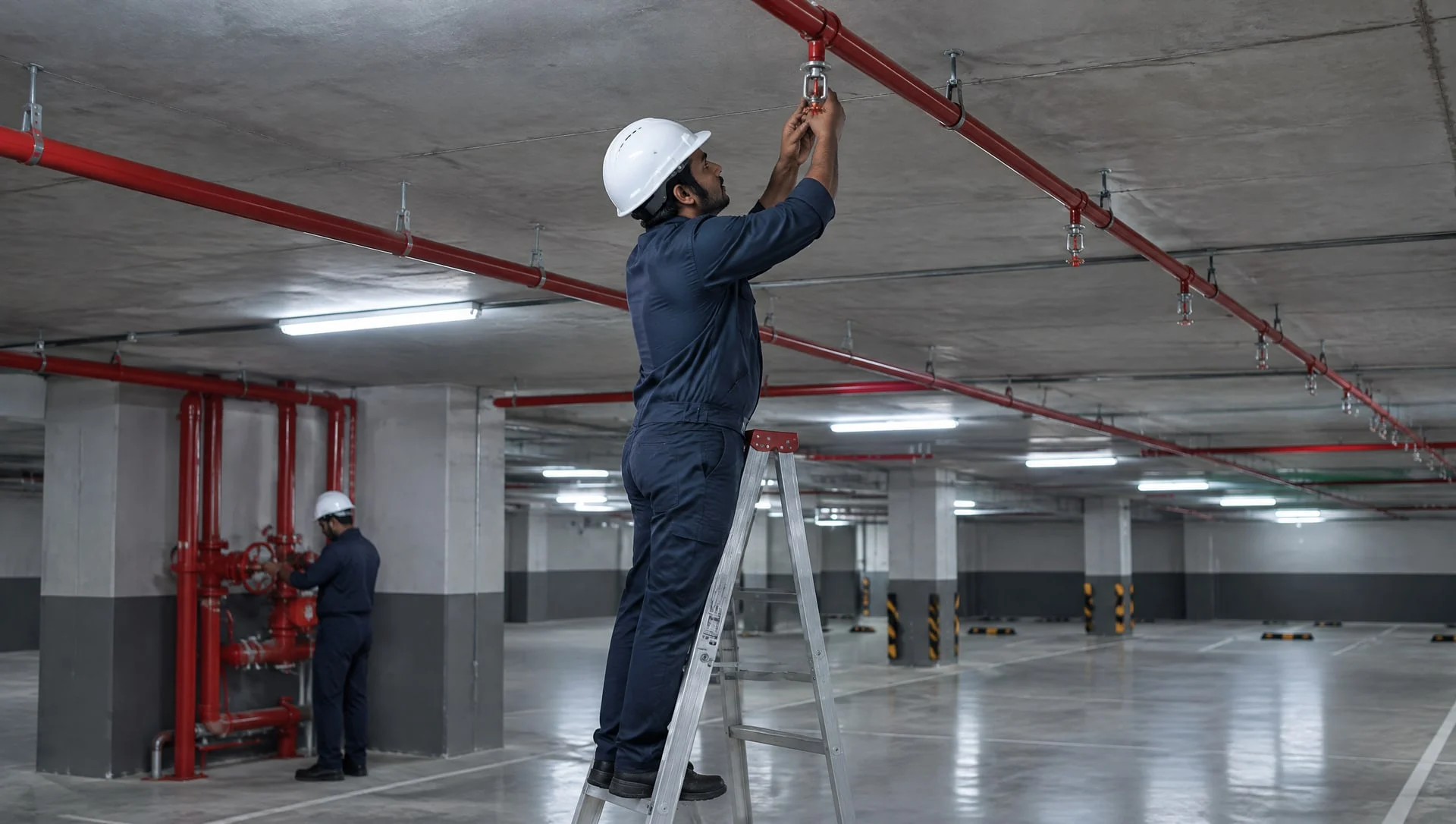
We supply air release valves on their own or with riser and pump room work. We recommend an isolation valve below each one, so the air valve can be removed for service without draining the line. Floats can stick open and leak, or stick shut and trap air. During AMC visits we check each air release valve, clean the strainer and replace valves that no longer work.
Why choose Cease Fire
Since 1992
A Maharashtra Fire Services Licensed Agency (MFS/
LA/ ) with 1,500+ projects.RF-93/ RD-95 Riser and main knowledge
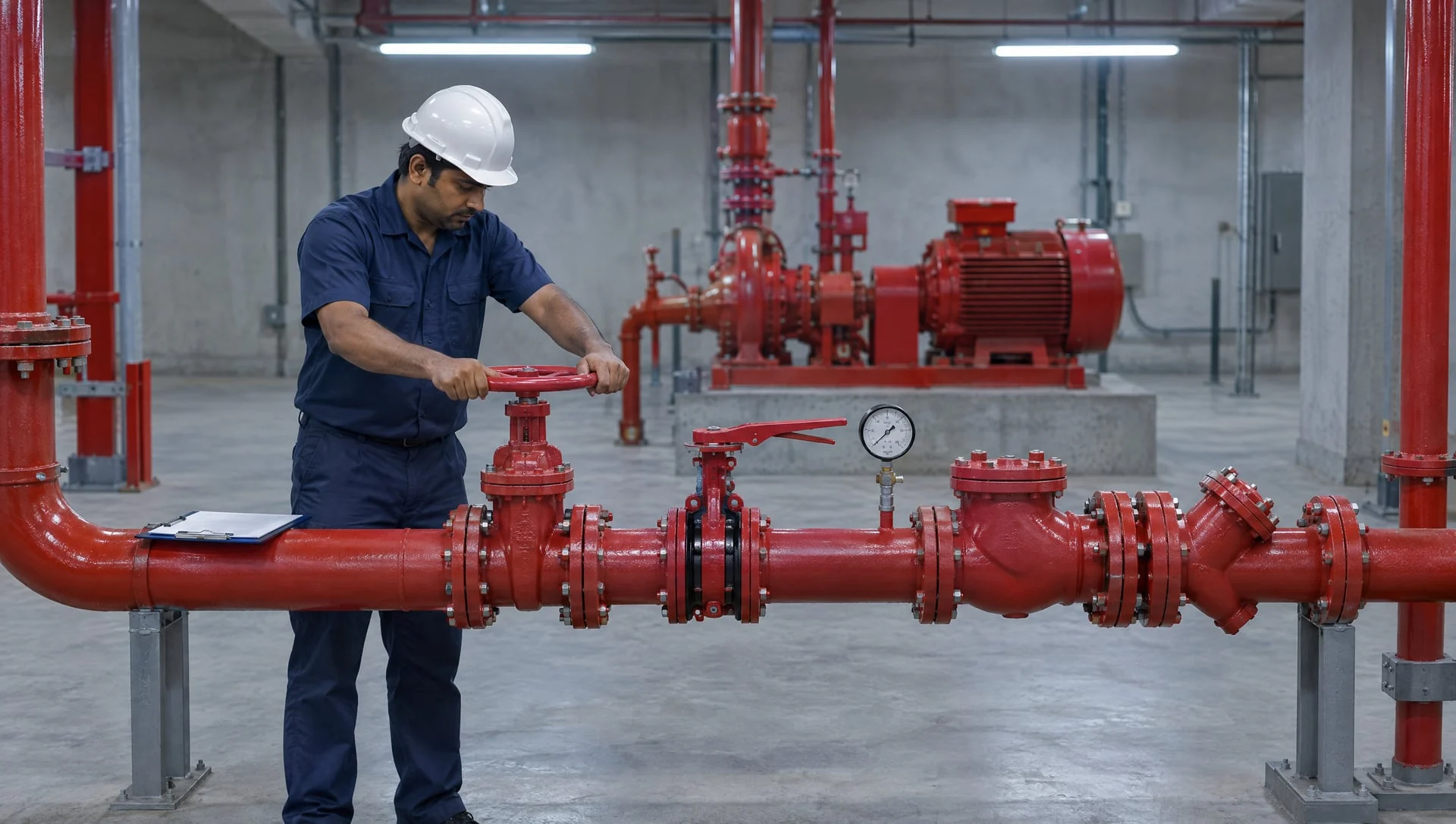
We design, install and maintain hydrant and sprinkler systems, so we place air valves at the real high points.
One supplier
Valves, fire pumps, hydrant accessories and installation from one team.

Request a valve quote
Send your valve list with type, sizes and quantity. We will confirm the specification and quote.
Frequently asked questions
Why does a fire system need an air release valve?
Trapped air at high points reduces flow and can cause pressure surges. An air release valve lets the air out automatically so water reaches hydrants and sprinklers at full pressure.
Where is an air release valve installed?
At the top of each riser and at high points in ring mains and yard pipework. Dry risers also need one at the top, so air can escape when the fire brigade charges the riser.
How does an automatic air release valve work?
A float sits inside the valve body. When air collects, the float drops and opens the outlet; when water fills the body, the float rises and seals it.
What is a kinetic air valve?
It is a larger air valve with a large orifice that moves big volumes of air out while pipes fill and back in while they drain. It also has a small orifice that releases air under pressure in service.
What sizes do you supply?
Forged brass air release valves come in 15, 20 and 25 mm with BSP male threads. Cast iron kinetic air valves come in 25 mm to 200 mm with flanged ends.
Why does my air release valve leak water?
Usually dirt on the seat or a stuck float stops it sealing. Cleaning the valve often fixes it; if not, it should be replaced.
Should an isolation valve be fitted below an air release valve?
We recommend it. With an isolation valve below, the air valve can be removed for cleaning or replacement without draining the line.
Question not answered here? Call our team, Monday to Saturday, 9 am to 7 pm.
Call +91 9920676281