
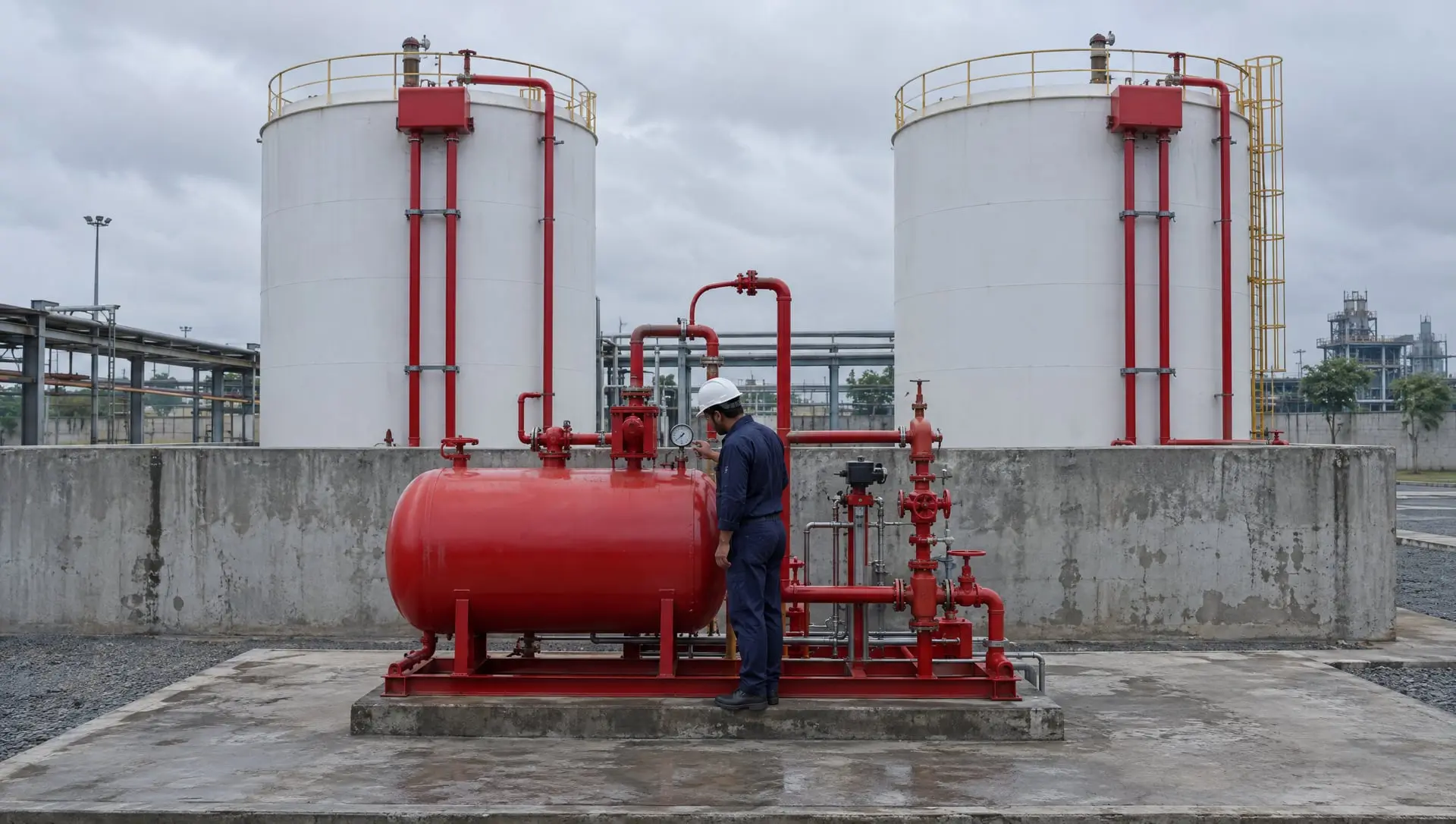
Foam Flooding System Installation in Mumbai
Cease Fire & Electrical Services LLP provides foam flooding system installation in Mumbai and Maharashtra for chemical stores, flammable liquid areas and other risks where water alone cannot put out a fire. We design and install water-based foam systems that mix foam concentrate with water and discharge it over the hazard, automatically or by hand. As a Maharashtra Fire Services Licensed Agency since 1992, we test, commission and maintain every system we install.
What is a foam flooding system?
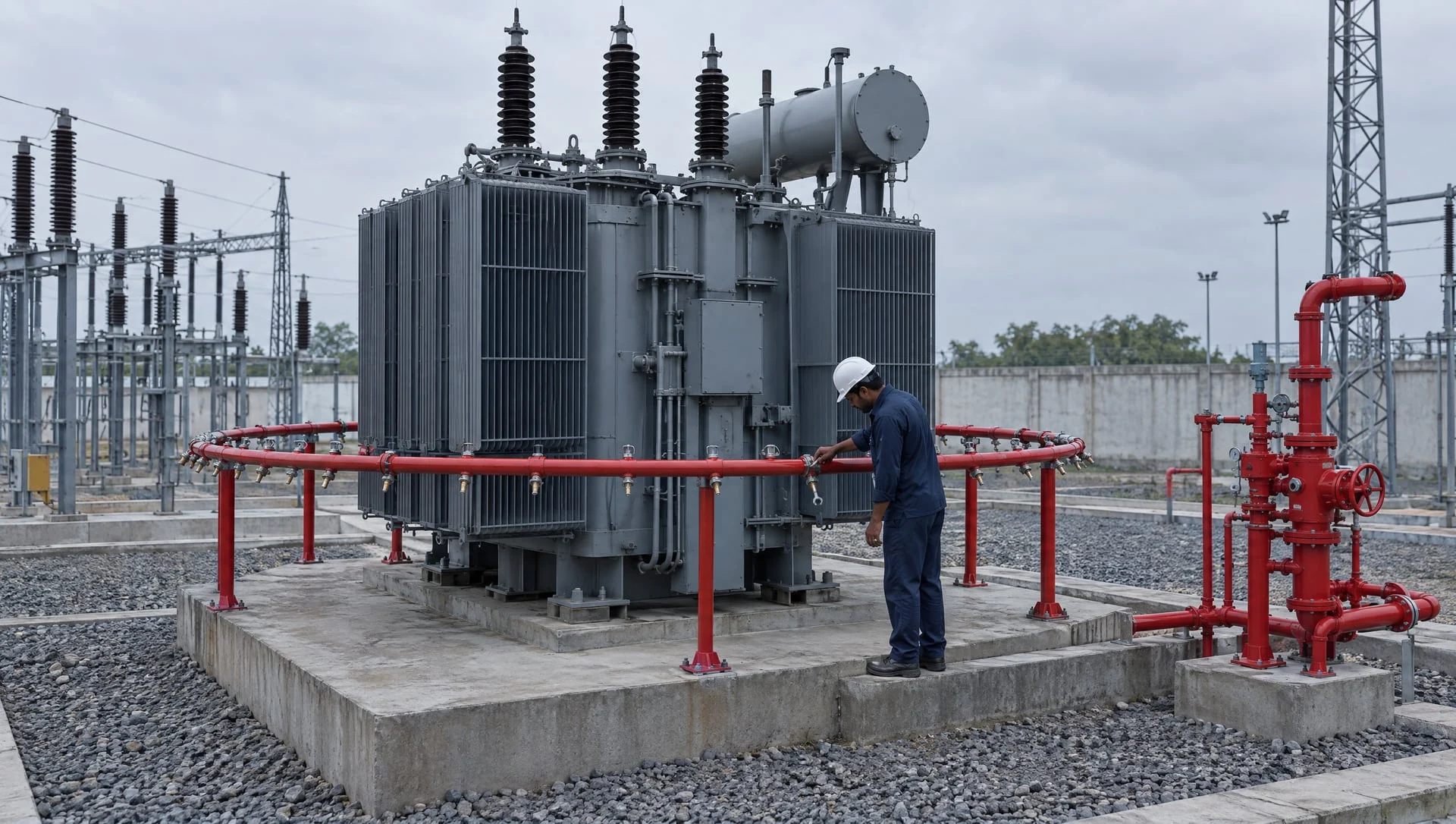
A foam flooding system protects an area or piece of equipment by covering it with fire-fighting foam. Water from the fire pumps passes through a proportioner that adds a small, measured amount of foam concentrate. The foam solution is then aerated at the discharge outlets and spreads over the burning liquid. The foam blanket separates the fuel from the air, cools it and holds down flammable vapours, so the fire goes out and is less likely to re-ignite.
Why foam instead of water
Water sinks below many burning liquids, such as petrol, solvents and oils, and can spread the fire. Foam floats on the liquid and forms a sealed layer over it. That makes foam the right choice for flammable liquid storage, chemical stores, pump rooms handling fuels and similar areas.
Types of foam systems
Low expansion foam
How it worksDense foam that flows across a liquid surface
Typical useFlammable liquid storage, dyke areas, loading bays and chemical stores
Medium expansion foam
How it worksLighter foam that builds up depth over a spill
Typical useBunded areas and spill risks
High expansion foam
How it worksVery light foam that fills an enclosed space to full height
Typical useWarehouses, cable tunnels and basements
Foam-water sprinklers
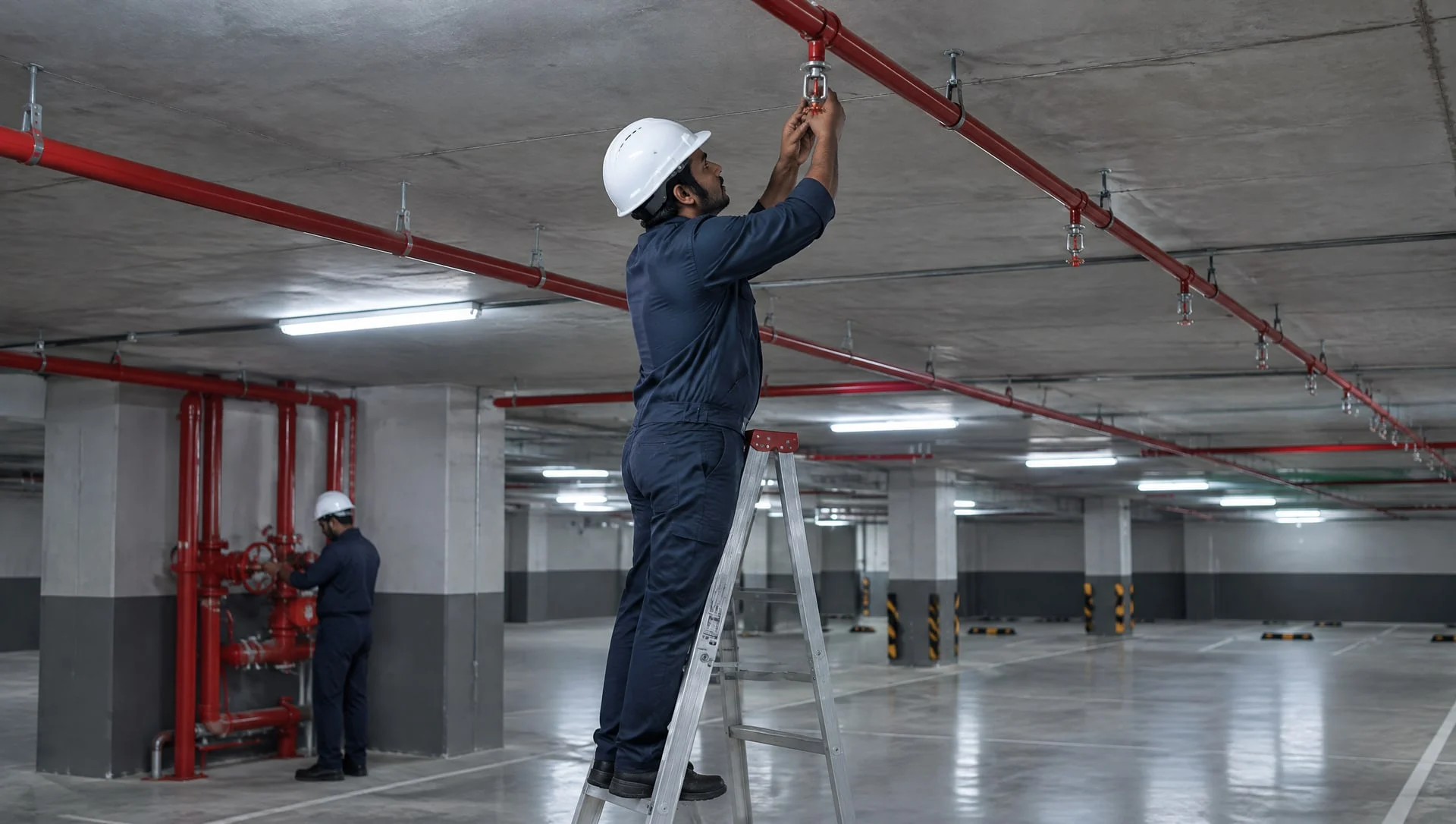
How it worksSprinkler-style heads that discharge foam solution over an area
Typical useChemical and fuel handling areas under a roof
Where foam systems are needed
- Chemical and solvent stores
- Flammable liquid storage and dispensing areas
- Fuel oil and lube oil areas in factories
- Tank farms and dyke areas
- Loading and unloading bays for tankers
Components of a foam flooding system
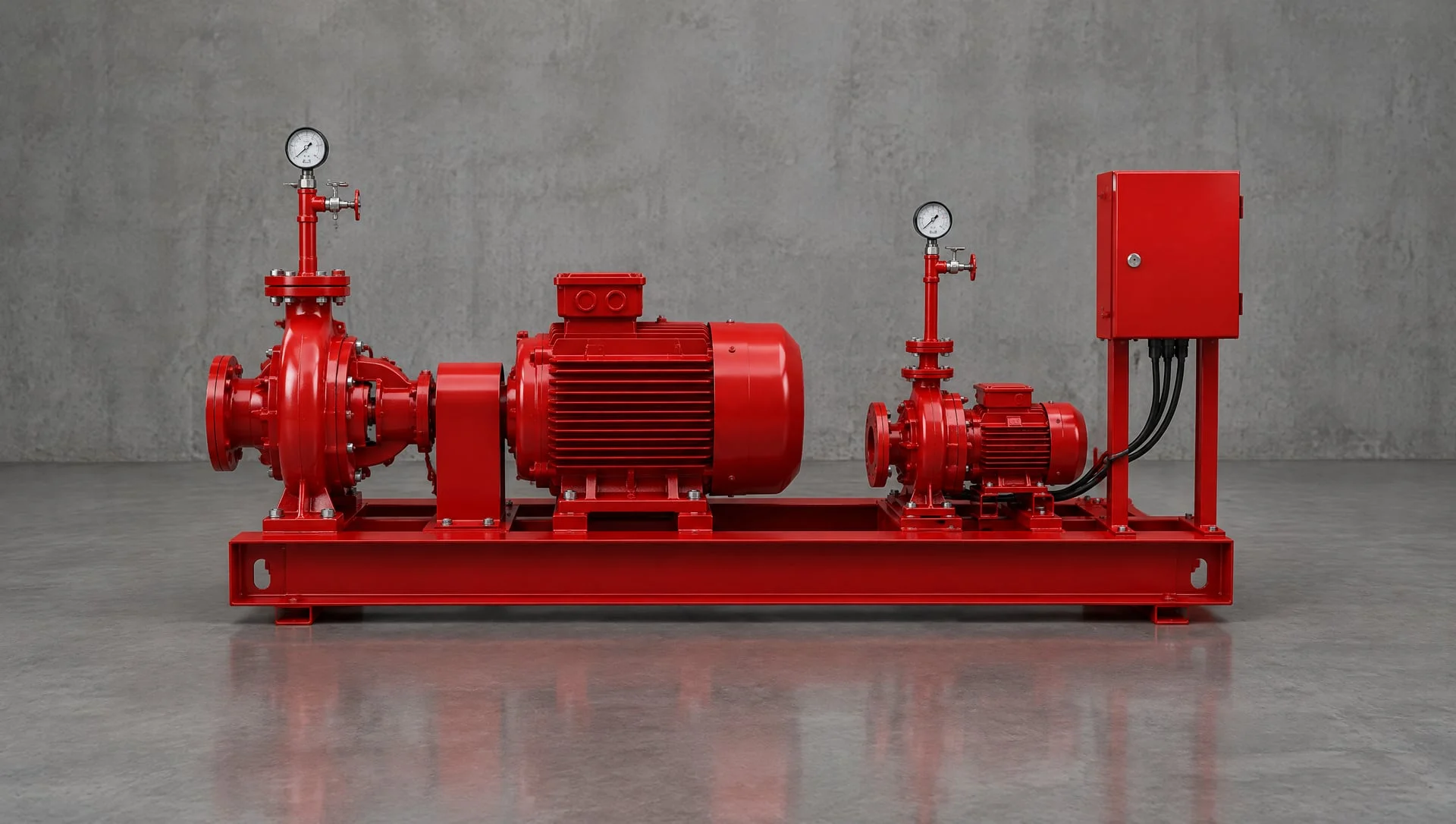
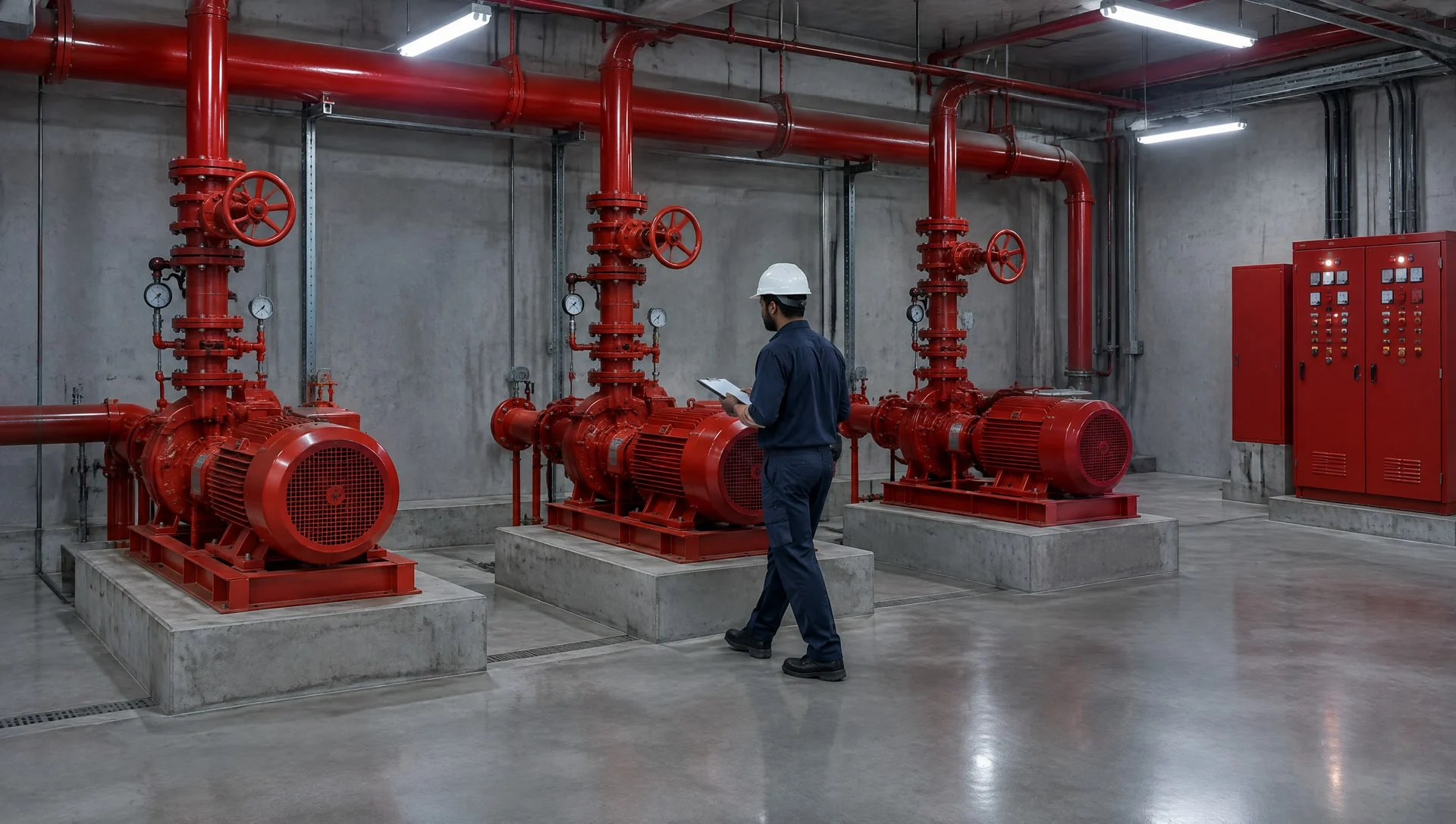
Fire pumps and water supply
Deliver water at the required flow and pressure
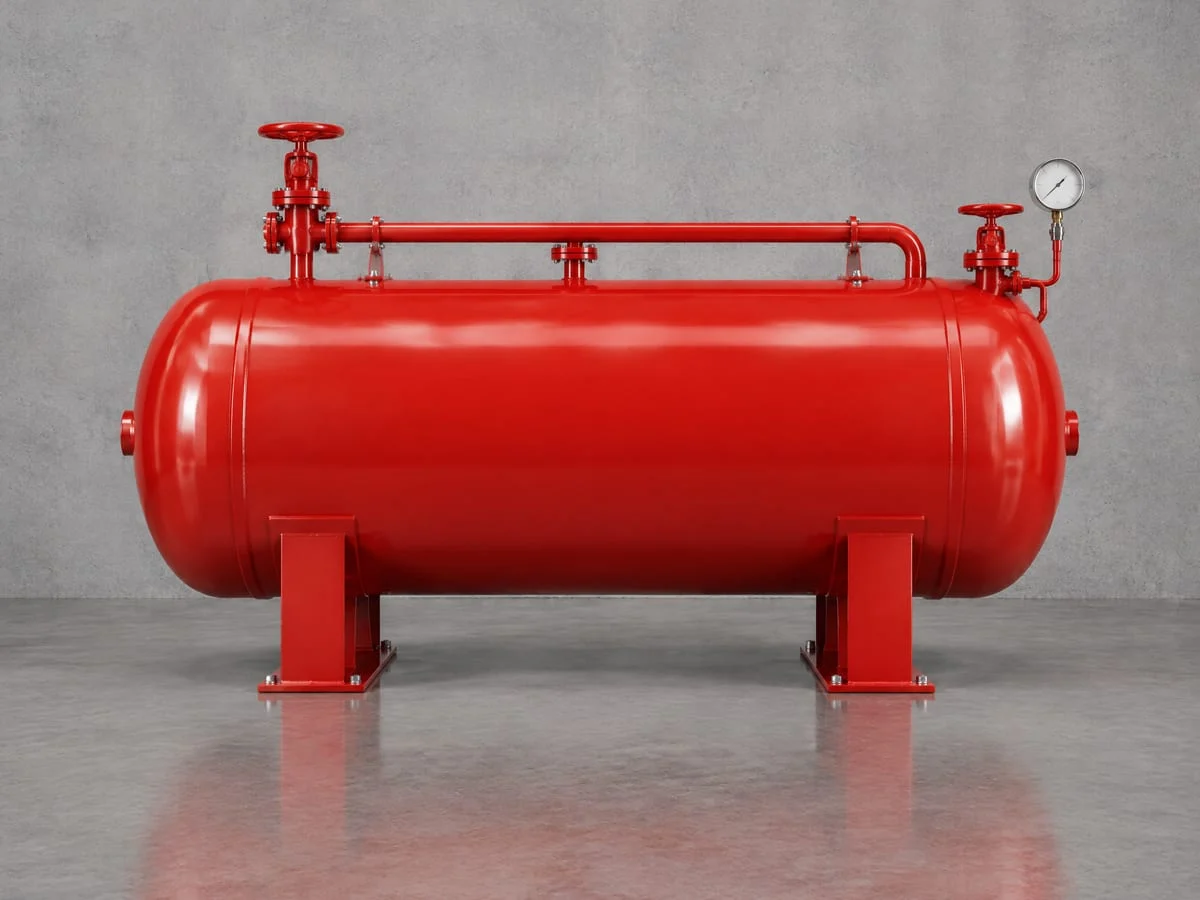
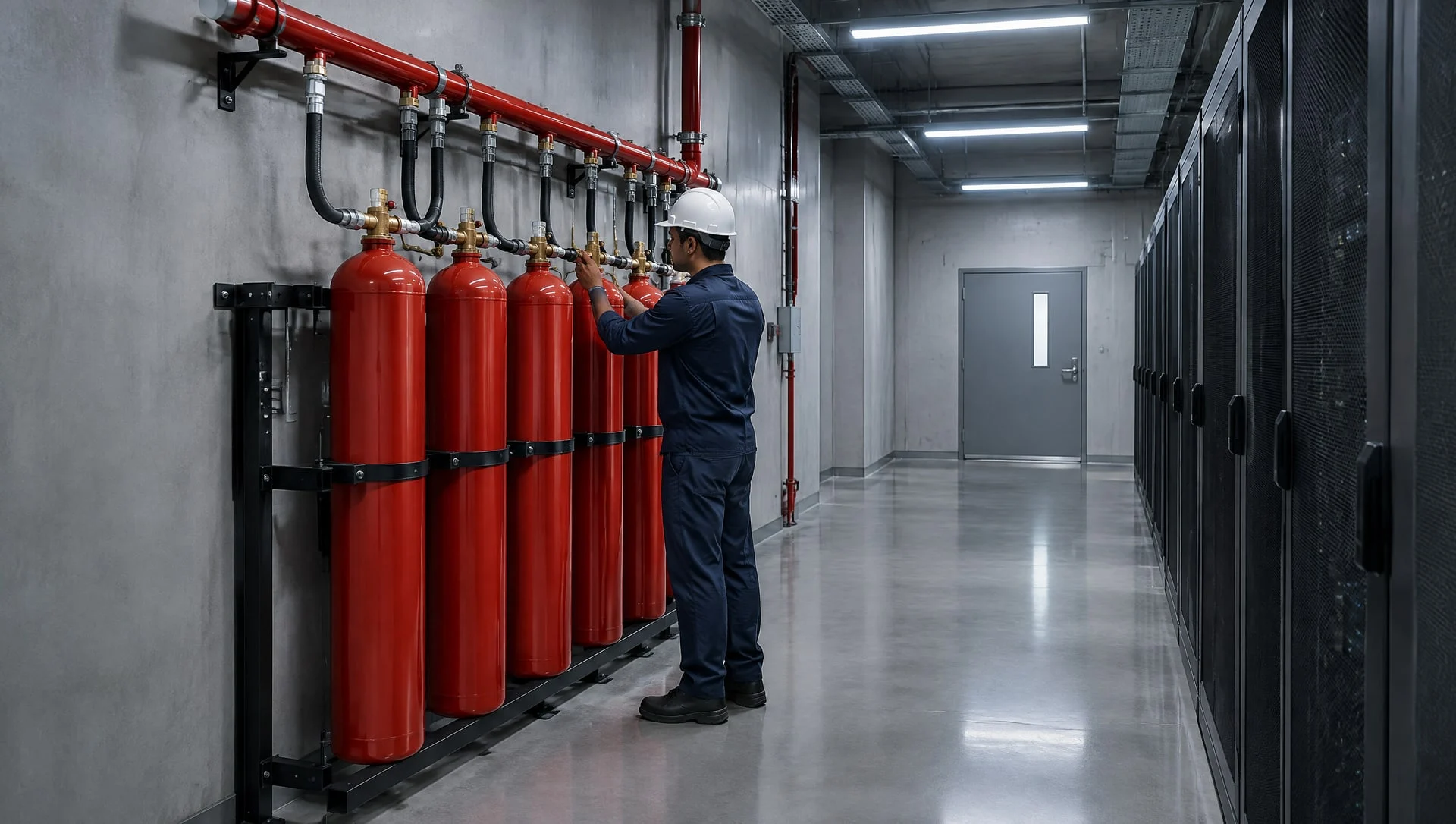
Foam concentrate tank or bladder tank
Stores the foam concentrate
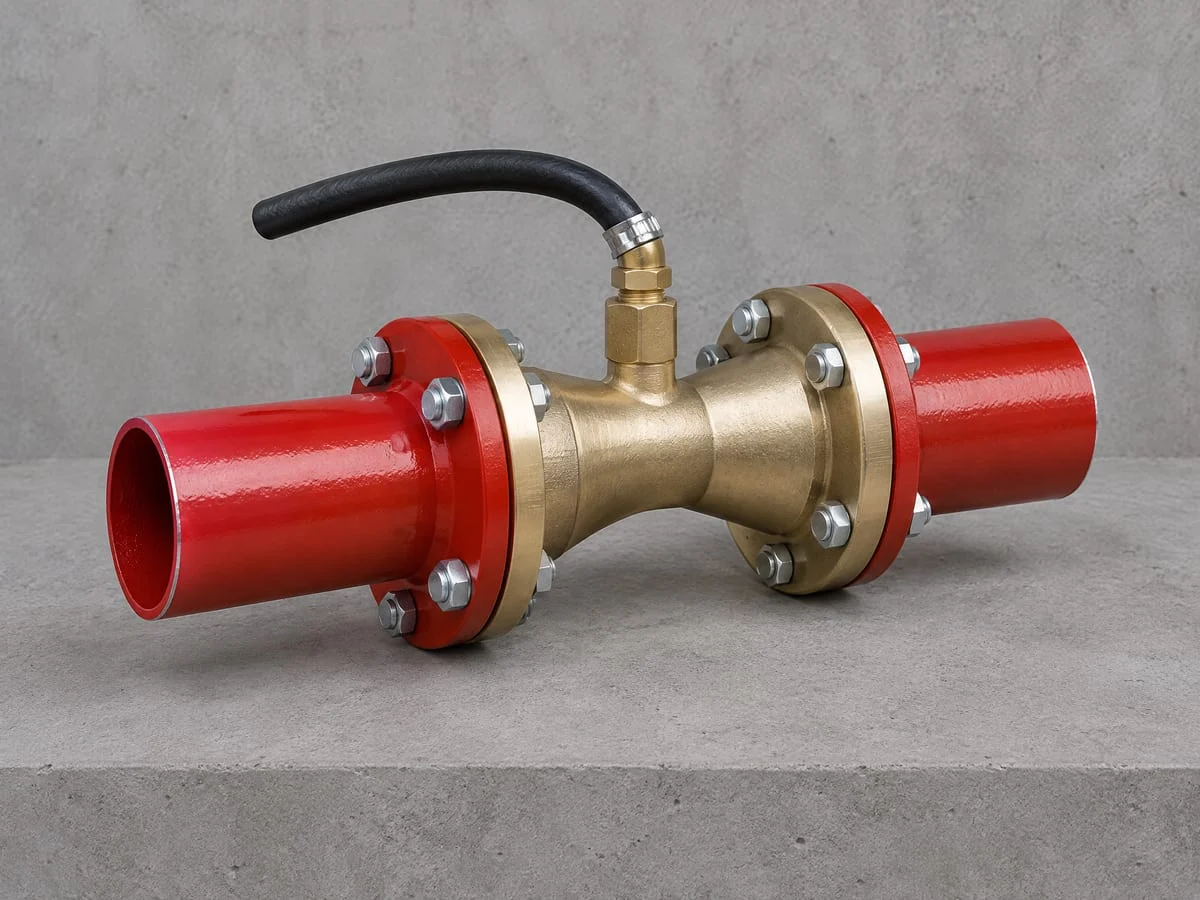
Foam proportioner
Adds the correct percentage of concentrate to the water
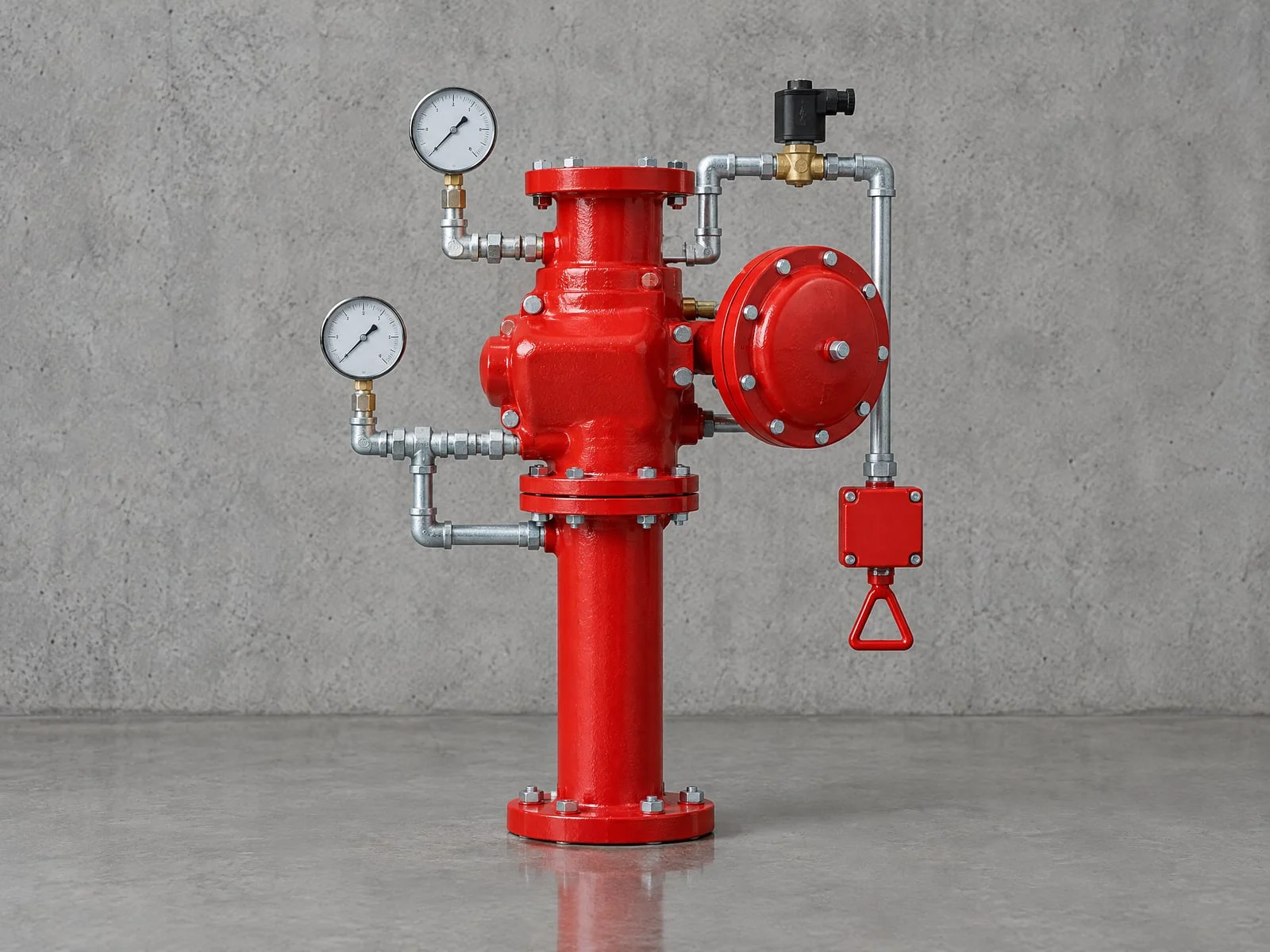
Deluge valve
Releases foam solution when the detection system or a manual release operates
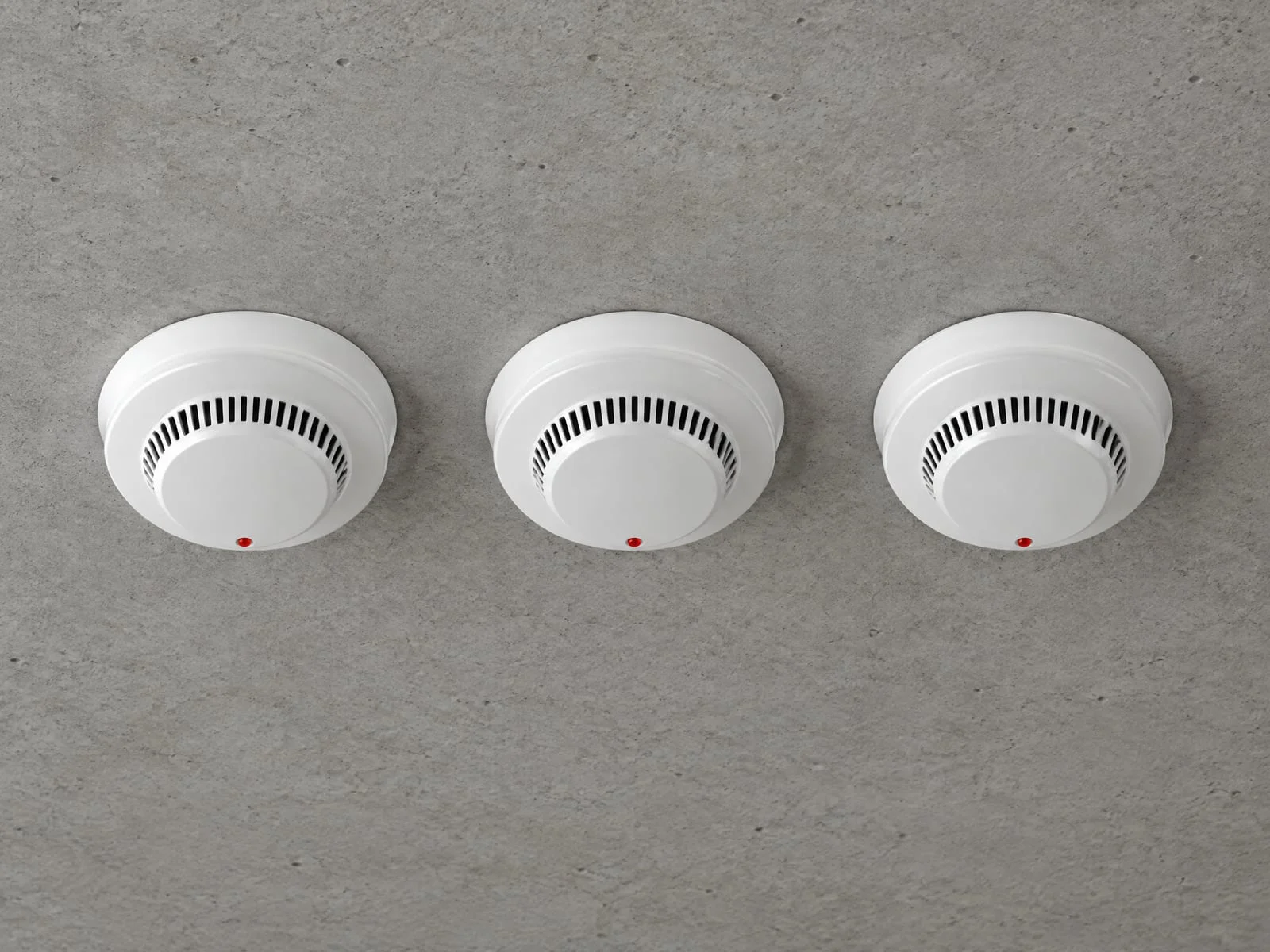
Detection system
Senses the fire and trips the deluge valve
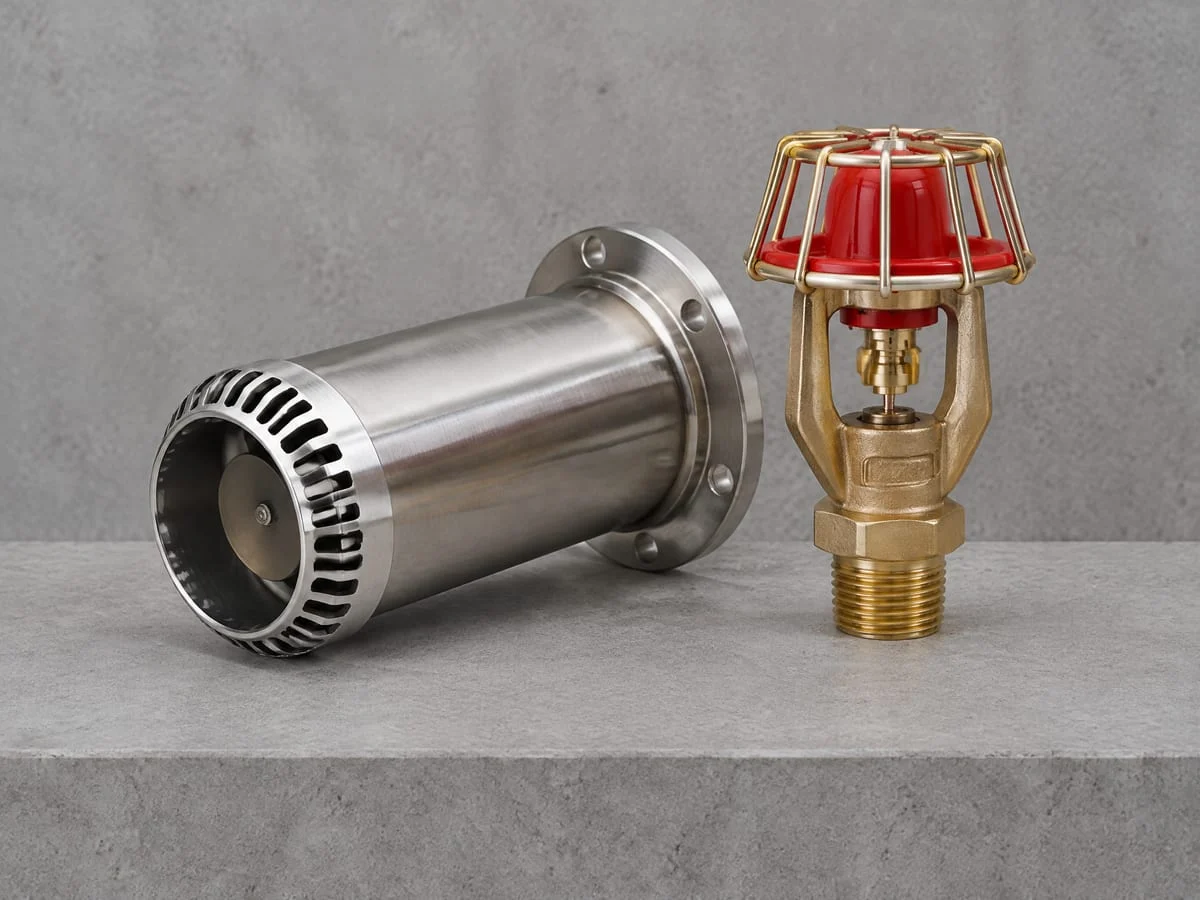
Foam makers, generators or foam-water sprinklers
Aerate the solution and spread the foam over the hazard
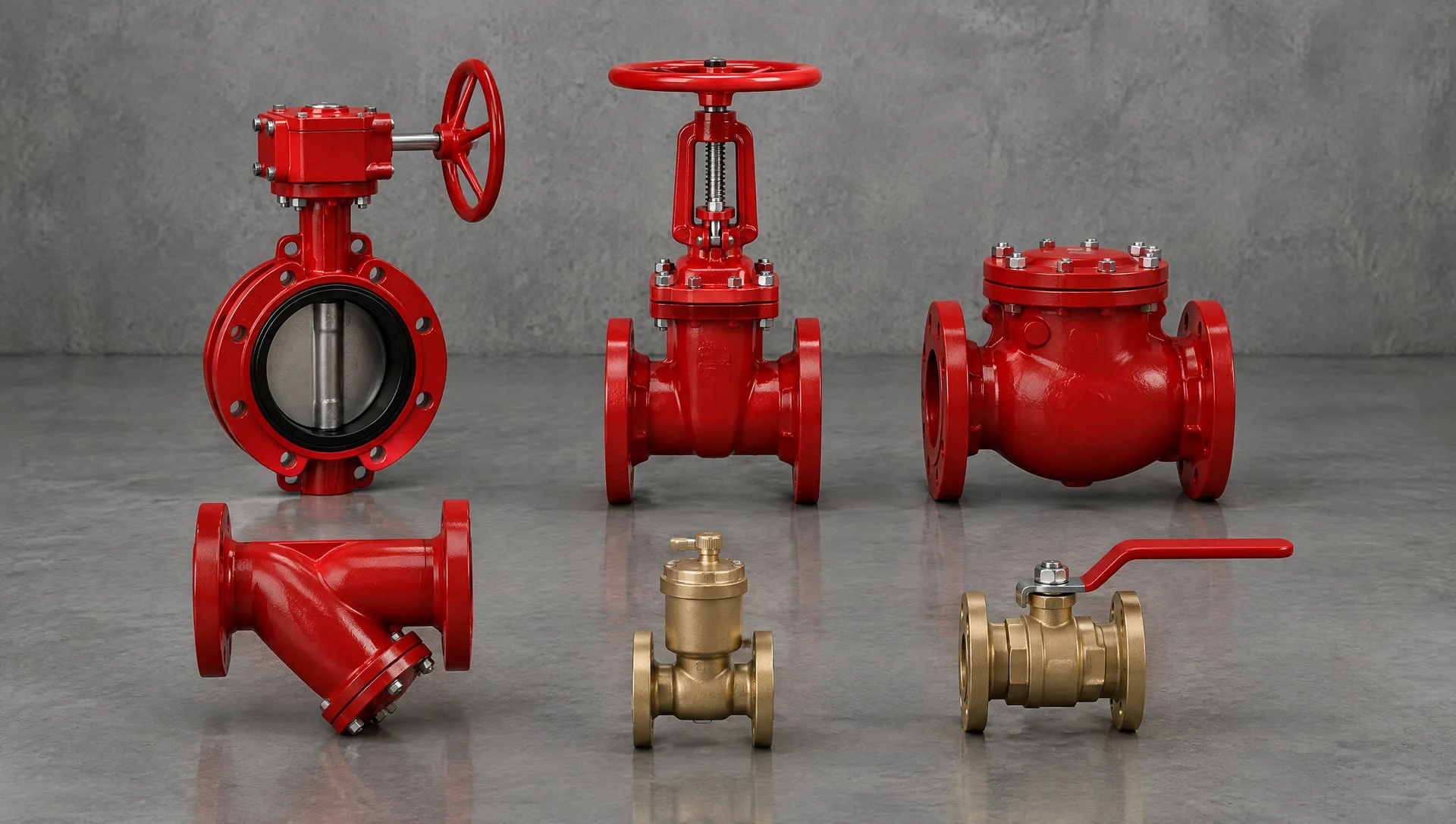
Pipework and isolation valves
Carry the solution and isolate sections for testing
We supply the fire pumps, deluge valves and valves. UL listed and FM approved pumps, valves and sprinklers are available.
Design standards
We design foam systems to the NFPA and NBC requirements that apply, and to UL/FM requirements where the insurer or consultant specifies them. The design sets the foam type, application rate, discharge time and concentrate quantity for each hazard, and we check the pipework and pump duty with flow calculations.
Our process
Free site survey
We study the liquids stored, the storage layout and the available water supply.
Design
Foam type, application rate, concentrate quantity, outlet layout and drawings.
Supply and installation
Pumps, foam tank, proportioner, deluge valve, pipework and outlets, installed by our own team.
Testing and commissioning
Pressure testing, proportioning checks and a discharge test where the site allows, with training for your staff.
Form A
As a licensed agency, we issue Form A for the work, which you submit to the fire brigade.
AMC and Form B
Usually quarterly checks with an annual service, and Form B every January and July.
Industrial experience
We have delivered fire protection for industrial and public-sector clients, including Bharat Petroleum, Hindustan Petroleum, Rashtriya Chemicals & Fertilizers and JSW Steel. Our wider work includes roof sprinklers to FM guidelines for Roquette India's warehouses and fire alarm systems at 65 Adani Electricity substations.
See all projects and case studies.
Maintenance and Form B
Foam concentrate ages, proportioners need checking and outlets can block. Under AMC we inspect the foam tank and concentrate, proportioner, deluge valve, detection, pumps and outlets. A licensed agency must inspect the system and issue Form B every January and July, and we can include this in your AMC.
Pump status and water tank levels can be watched continuously with FireSense IoT, which also supports the ACMS now required for covered buildings in Maharashtra.
Why choose Cease Fire
Since 1992
1,500+ projects and the Rashtriya Nirman Ratna Award for Best Government Contractor (2002).
Licensed
Maharashtra Fire Services Licensed Agency (MFS/
LA/ ), issuing Form A and Form B.RF-93/ RD-95 Water-based foam systems for chemical risks, designed around the liquids you store.
One team
Design, pumps, valves, installation, testing and AMC from one company.

Book a free site survey
Share your layout and the liquids you store or handle. We will survey the site and send a clear proposal.
Frequently asked questions
What is a foam flooding system?
It is a fixed fire protection system that covers a hazard with fire-fighting foam. The foam forms a blanket over burning liquids, cutting off air and cooling the fuel.
Where is a foam fire suppression system used?
Foam is used where flammable liquids are stored or handled, such as chemical stores, solvent areas, fuel and oil areas, tank farms and loading bays.
Why can't water be used on flammable liquid fires?
Many flammable liquids float on water, so water can spread the burning liquid. Foam floats on top of the liquid and seals it from the air.
What is the difference between low and high expansion foam?
Low expansion foam is dense and flows across a liquid surface. High expansion foam is very light and fills an enclosed space, such as a warehouse or cable tunnel, to full height.
How is foam mixed with water in the system?
A proportioner adds a set percentage of foam concentrate to the water flowing from the fire pumps. The solution is then aerated at the foam makers or sprinklers.
How often should a foam system be serviced?
Most sites have quarterly checks and an annual service under AMC, including checks of the foam concentrate and proportioner, plus Form B every January and July.
How do I get a quote for a foam flooding system?
Send your layout and a list of the liquids stored to sales@ceasefireservices.com, call +91 9920676281, or book a free site survey.
Question not answered here? Call our team, Monday to Saturday, 9 am to 7 pm.
Call +91 9920676281