
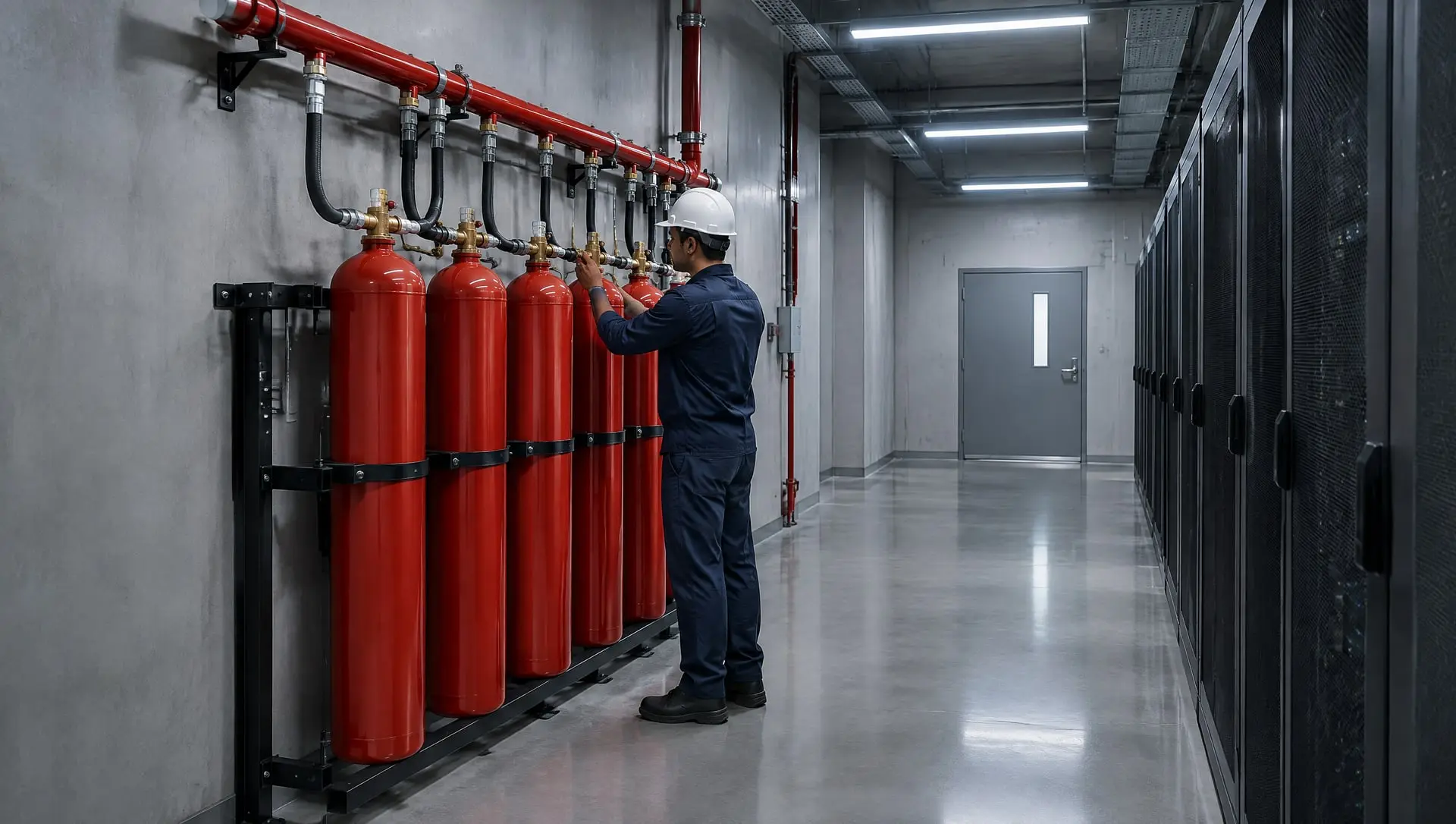
Novec 1230 Fire Suppression System (FK-5-1-12) in Mumbai
Cease Fire & Electrical Services LLP designs, installs and maintains the Novec 1230 fire suppression system, using the clean agent FK-5-1-12, for server rooms, data centres, control rooms, archives and valuable equipment rooms in Mumbai. FK-5-1-12 is stored as a liquid and turns to a gas on discharge, putting out the fire in seconds without water and without leaving residue. 3M has stopped making its Novec 1230 fluid, but FK-5-1-12 is still made by other manufacturers, so new and existing systems can still be supplied and serviced.
What happened to Novec 1230?
- Novec 1230 was 3M's brand name for the clean agent FK-5-1-12. In December 2022, 3M announced it would stop making PFAS chemicals, including Novec 1230 fluid, by the end of 2025. The patent on the agent had already expired in 2020, and other manufacturers now make FK-5-1-12. For building owners this means:
- New systems: FK-5-1-12 systems can still be designed and installed.
- Existing systems: they can still be inspected and maintained. Before any refill, we check which FK-5-1-12 fluid is approved for your system's listing.
- Future planning: PFAS rules may change, so we explain the options, including other clean agents and inert gas, before you invest.
How an FK-5-1-12 system works
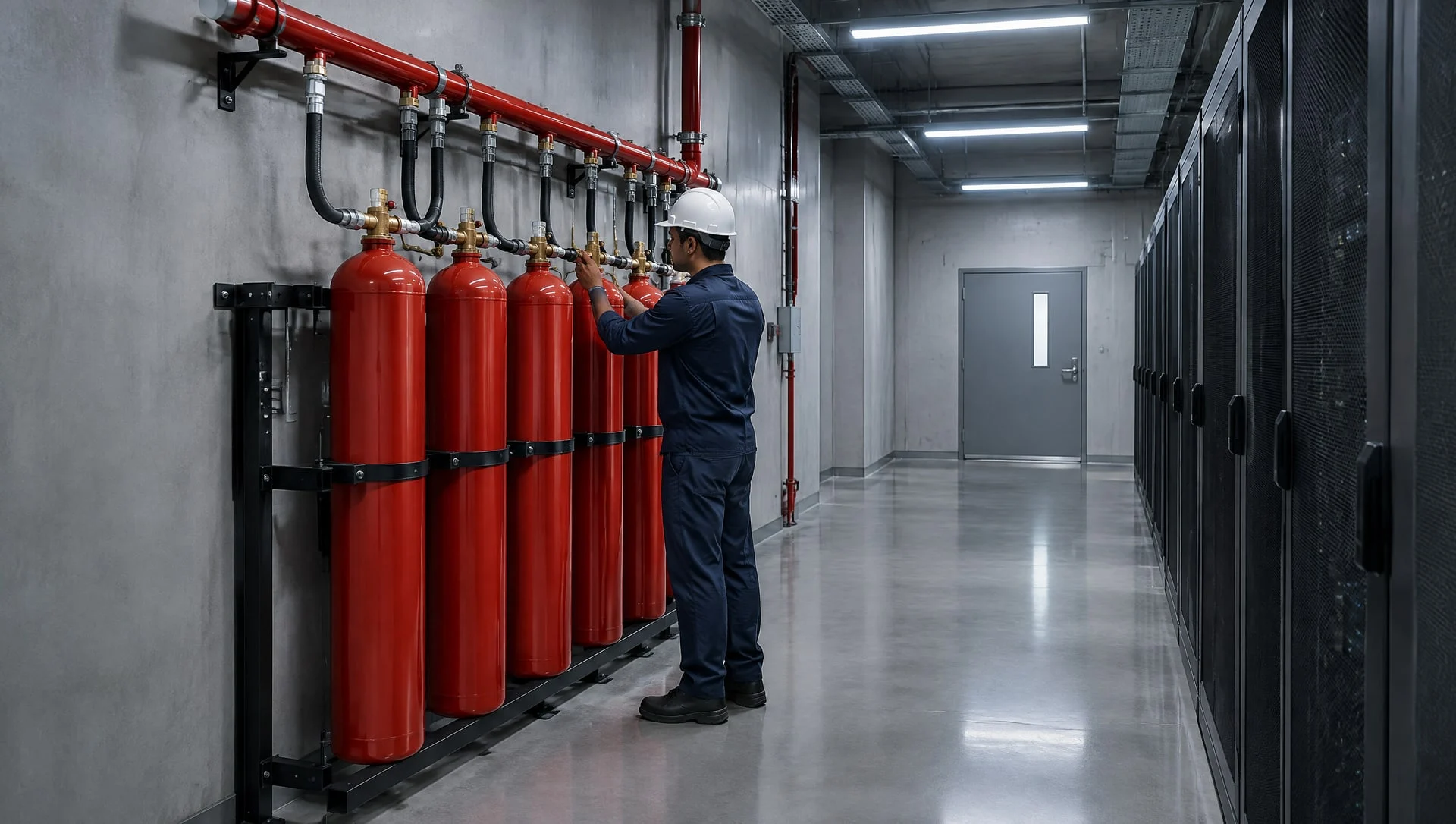
Smoke detectors in two zones sense a fire and signal the releasing panel. The panel sounds hooters and strobes, counts down so people can leave, and then opens the agent cylinder. The liquid travels through pipework and vaporises at the nozzles, filling the room, ceiling void and floor void. The agent mainly works by absorbing heat, so the fire goes out before it can spread.
Why choose FK-5-1-12
- No residue
- Nothing to clean from servers, panels or records after a discharge
- No water damage
- Safe on live electrical and electronic equipment
- Safety margin
- Its no-observed-adverse-effect level (NOAEL) is 10%, above typical design concentrations
- Fast discharge
- Halocarbon clean agents discharge in about 10 seconds under NFPA 2001
- Low global warming potential
- Much lower than HFC agents such as HFC-227ea
Where FK-5-1-12 systems are used

Server rooms, data centres and telecom rooms
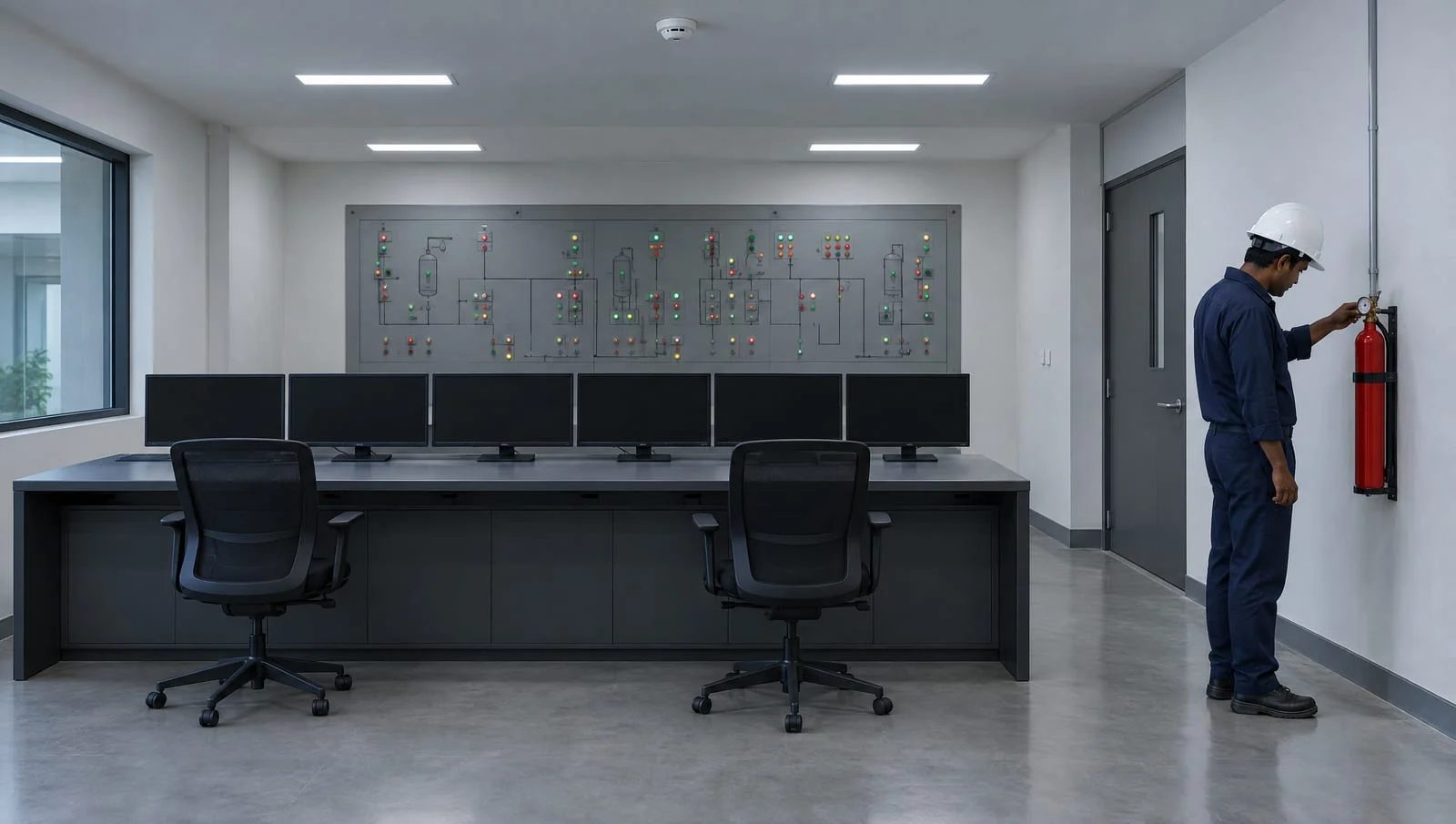
Control rooms and UPS rooms
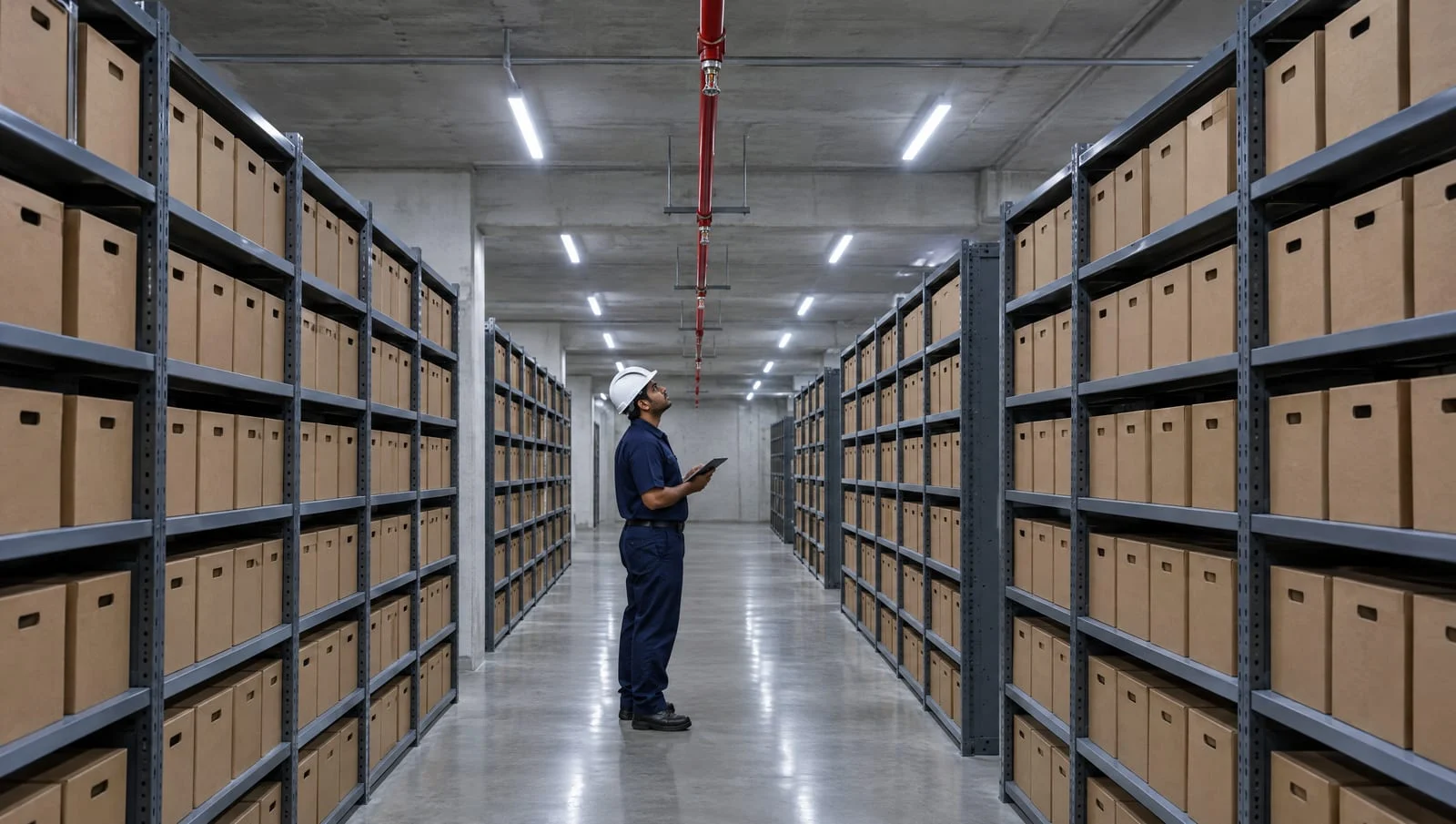
Archives, record rooms and museums
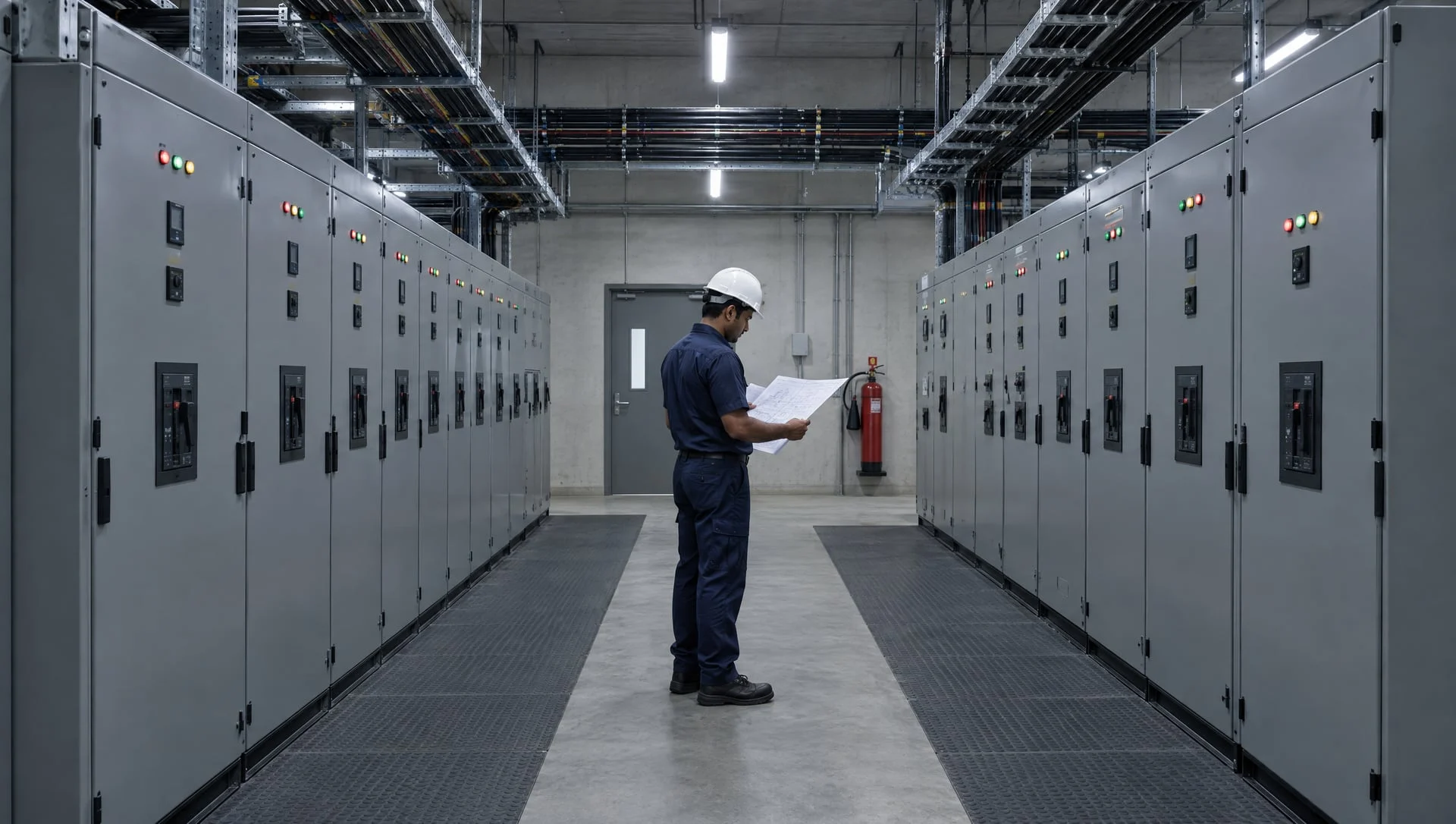
Electrical panels and equipment enclosures
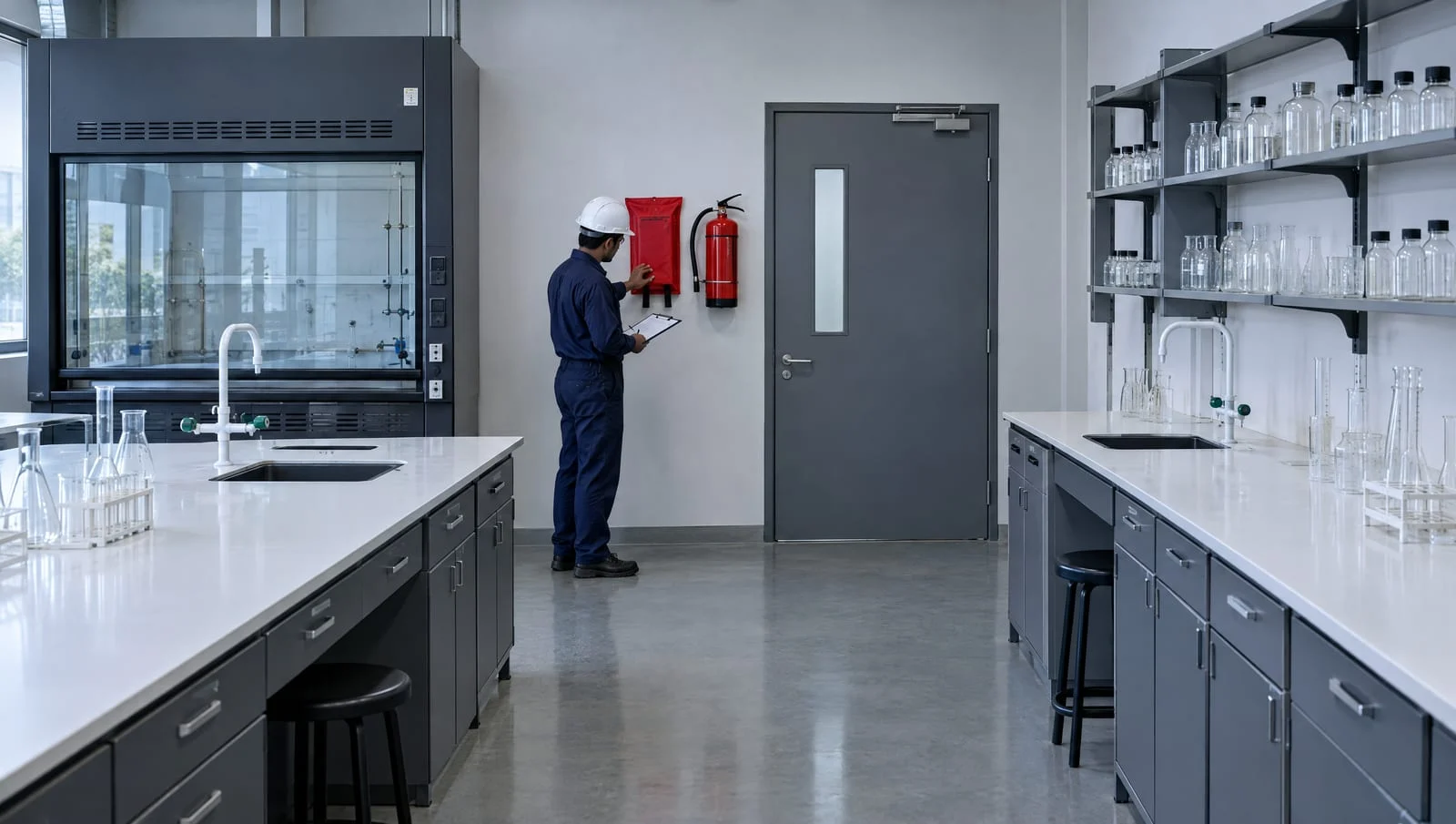
Laboratories and medical equipment rooms
Components
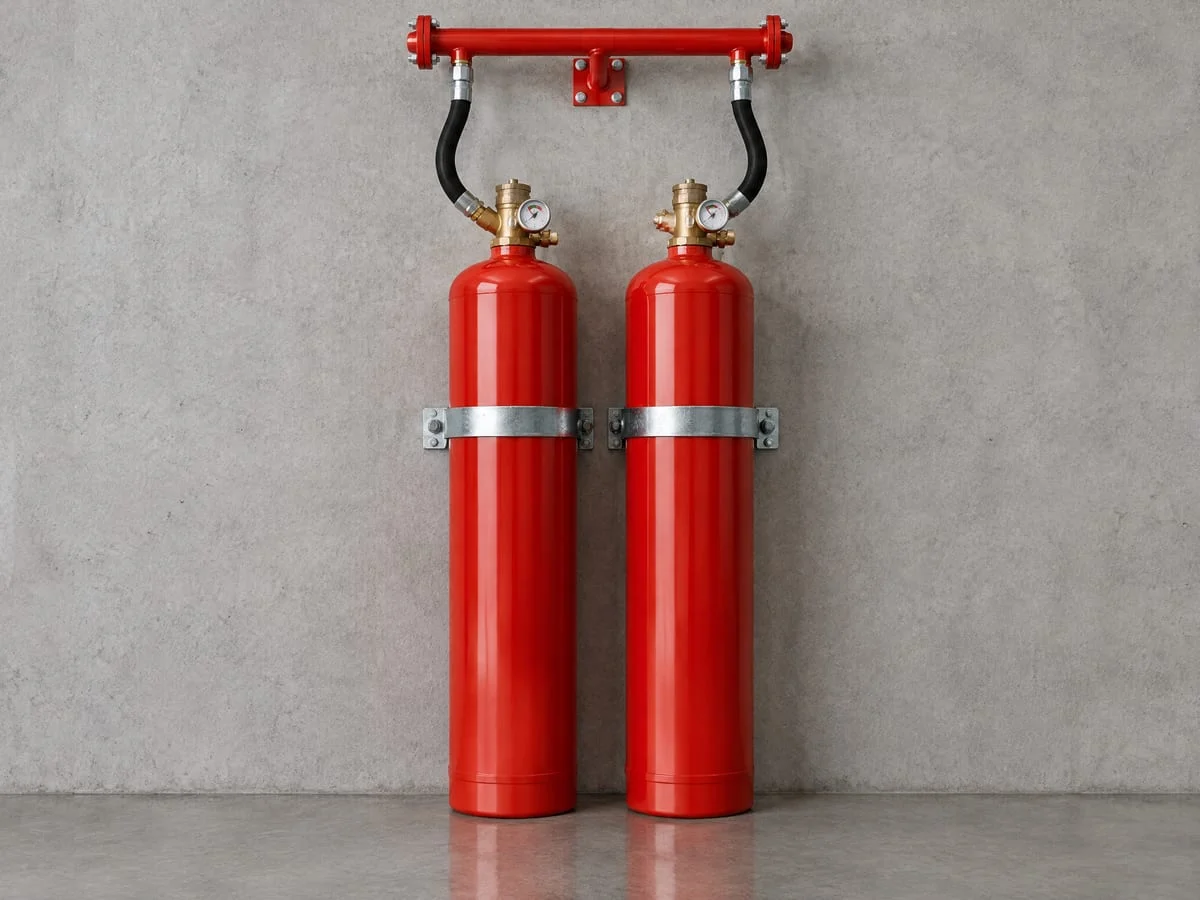
Agent cylinder with valve
Stores the FK-5-1-12 as a liquid under nitrogen pressure
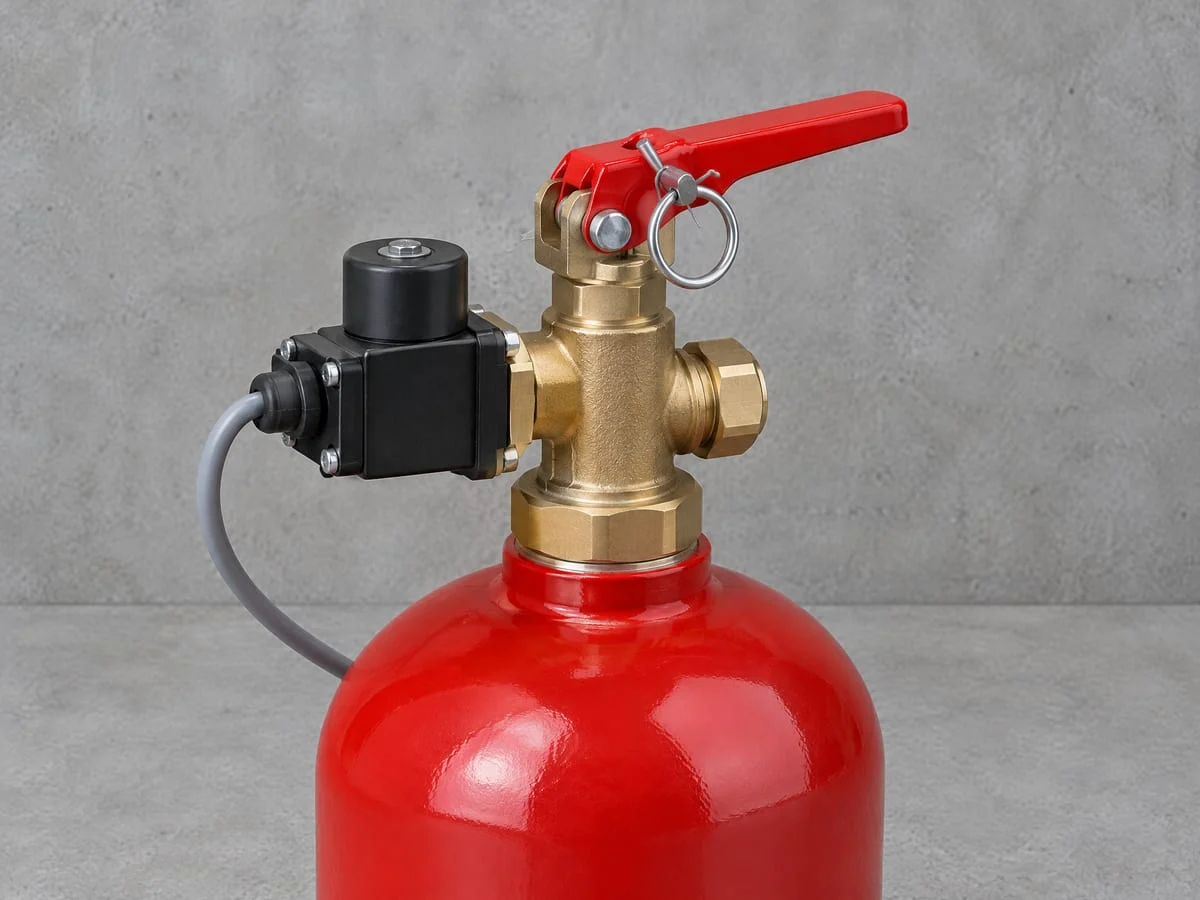
Solenoid and manual actuators
Open the cylinder valve automatically or by hand
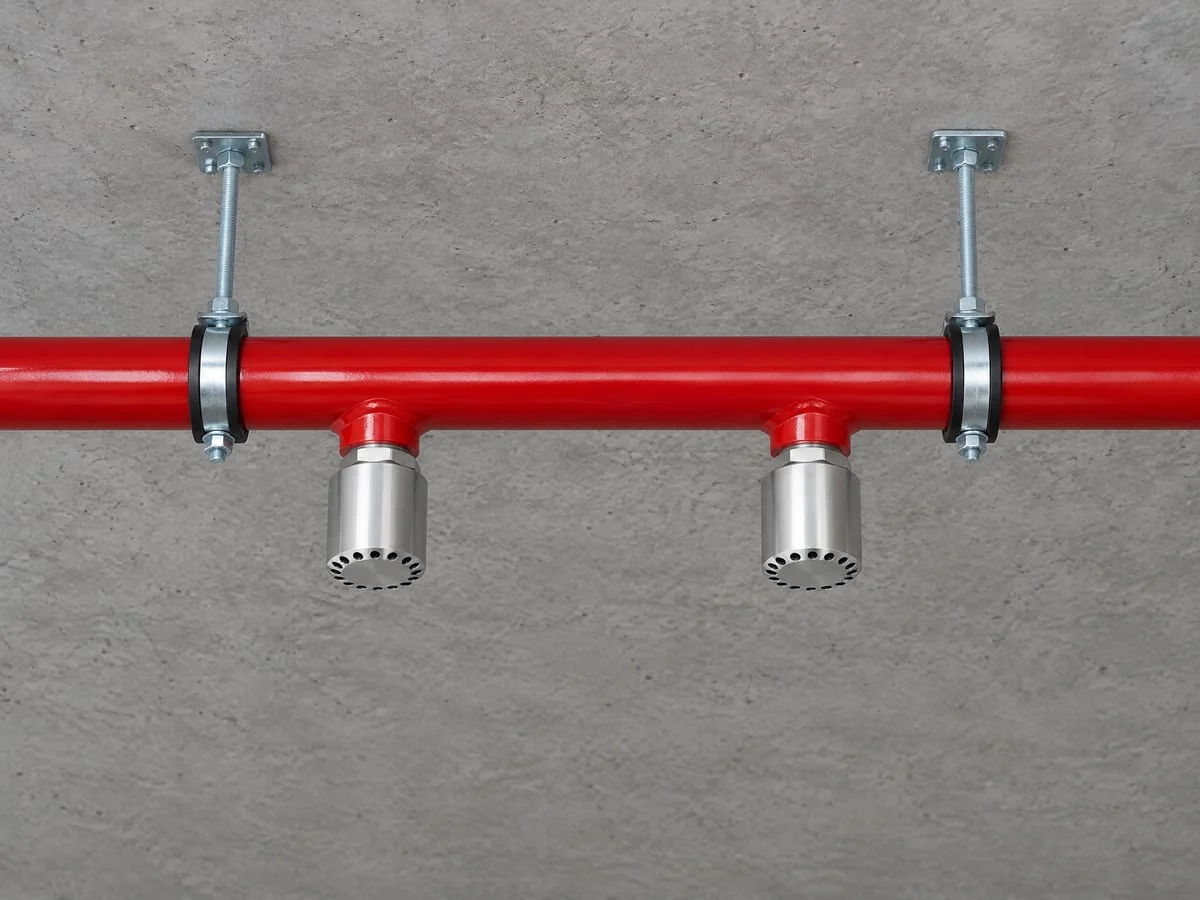
Discharge pipework and nozzles
Spread the agent through the room and voids
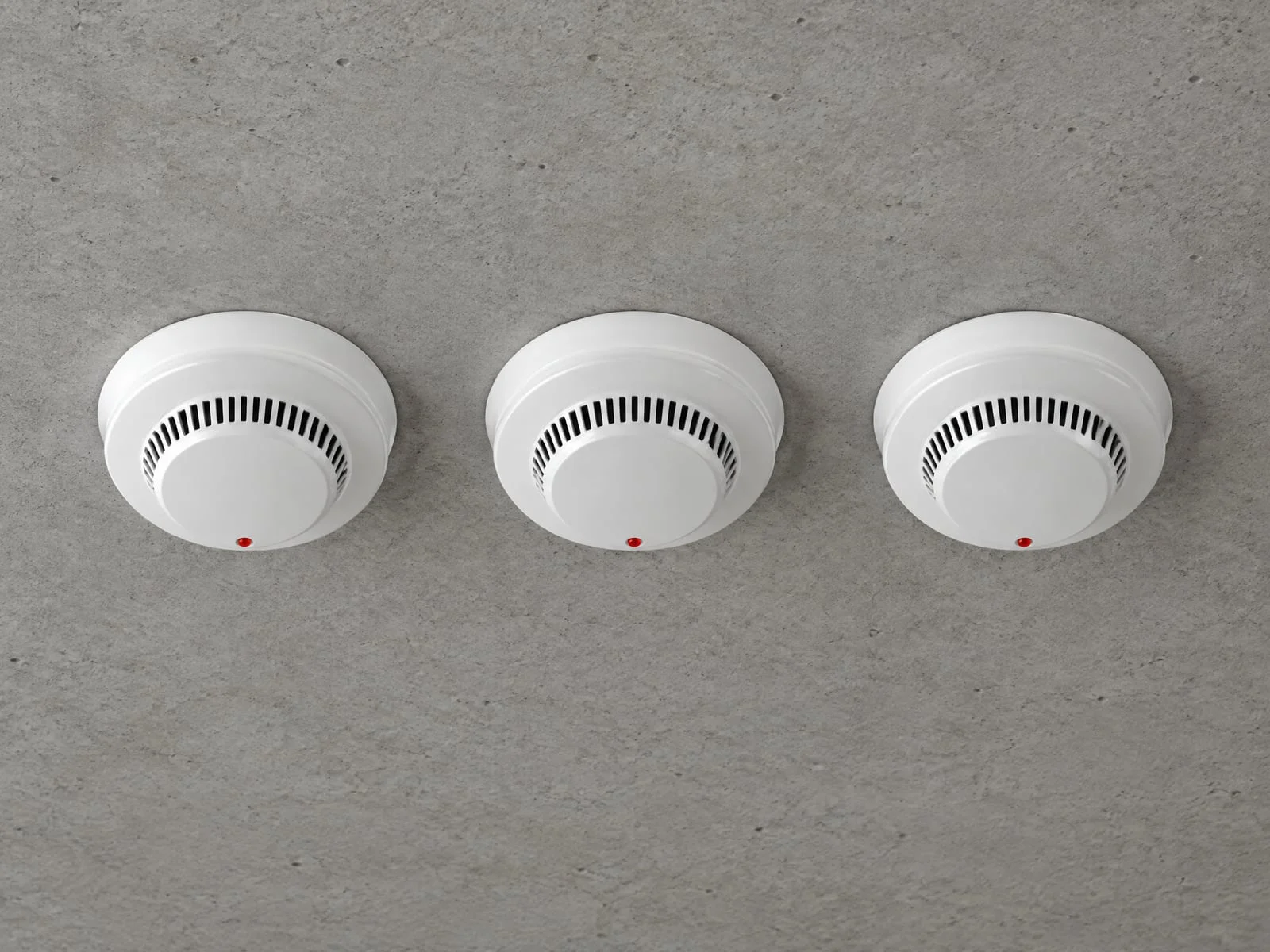
Smoke detectors in two zones
Confirm the fire before release, to avoid false discharge
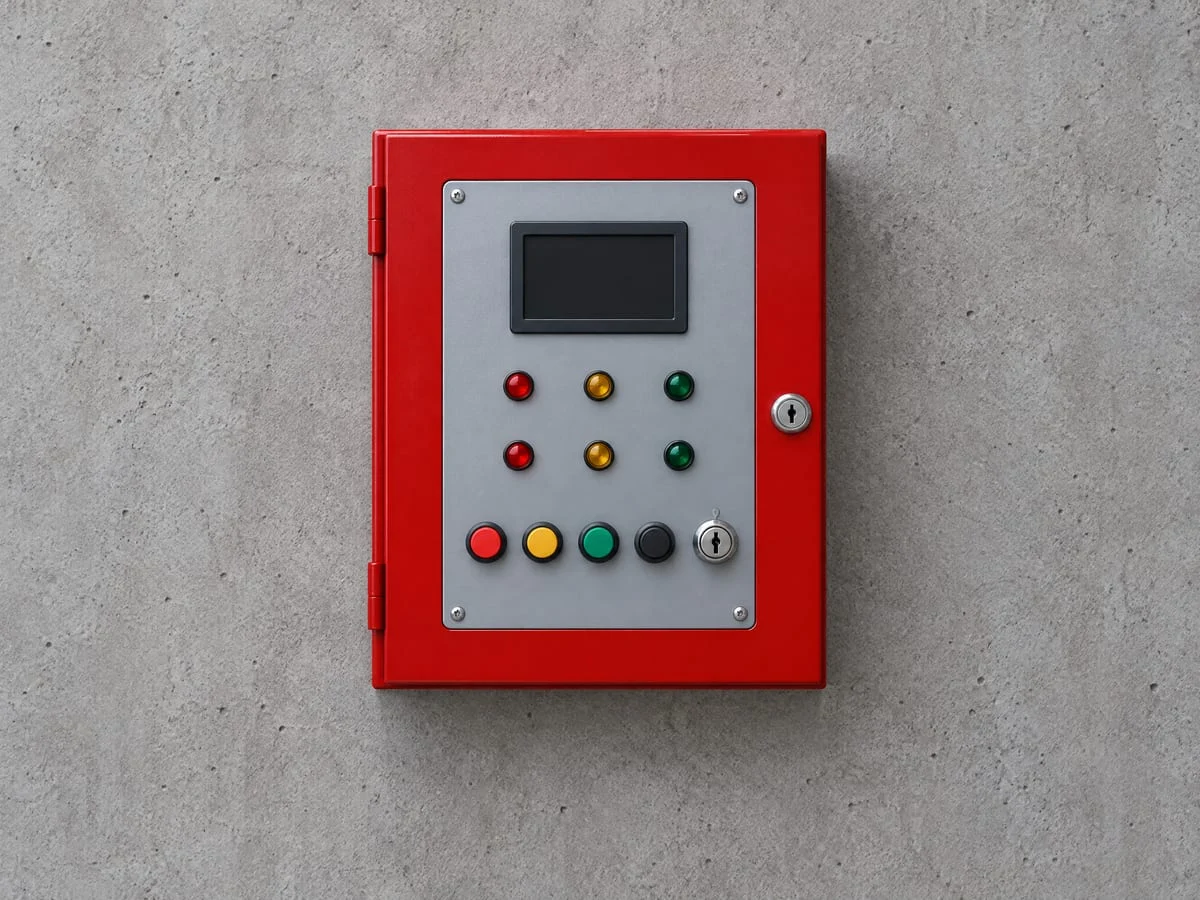
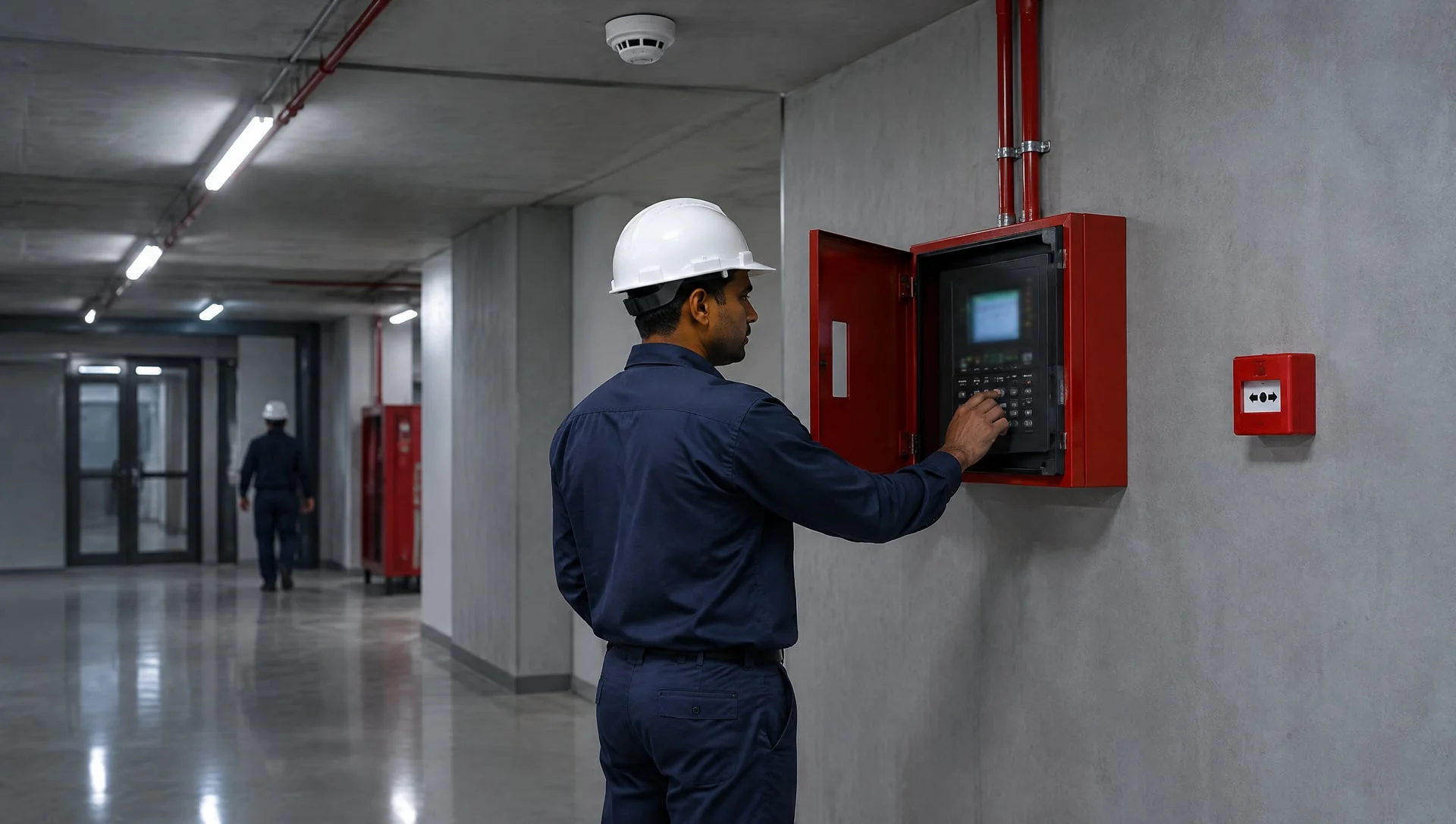
Releasing control panel
Sounds the warning, counts down and releases the agent
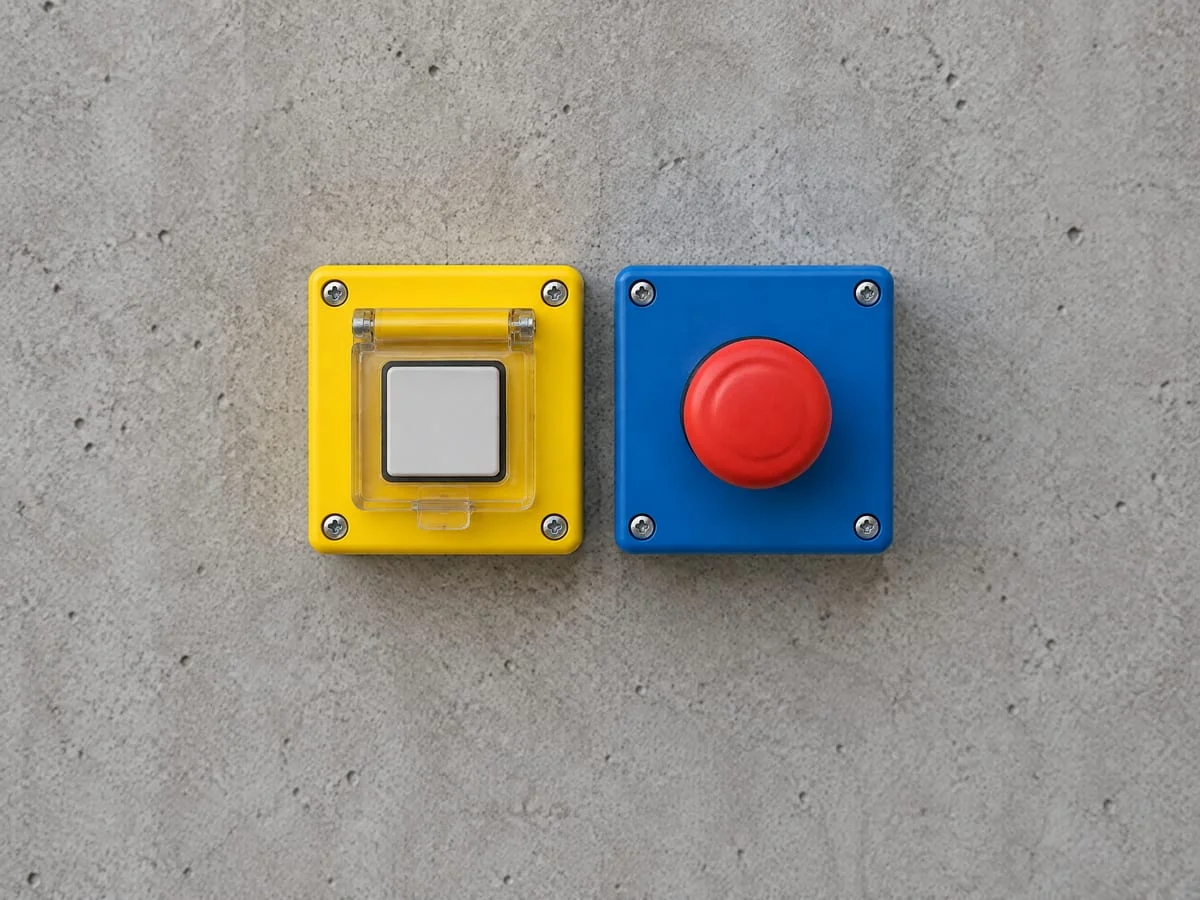
Manual release and abort units
Let staff release the system or hold the release
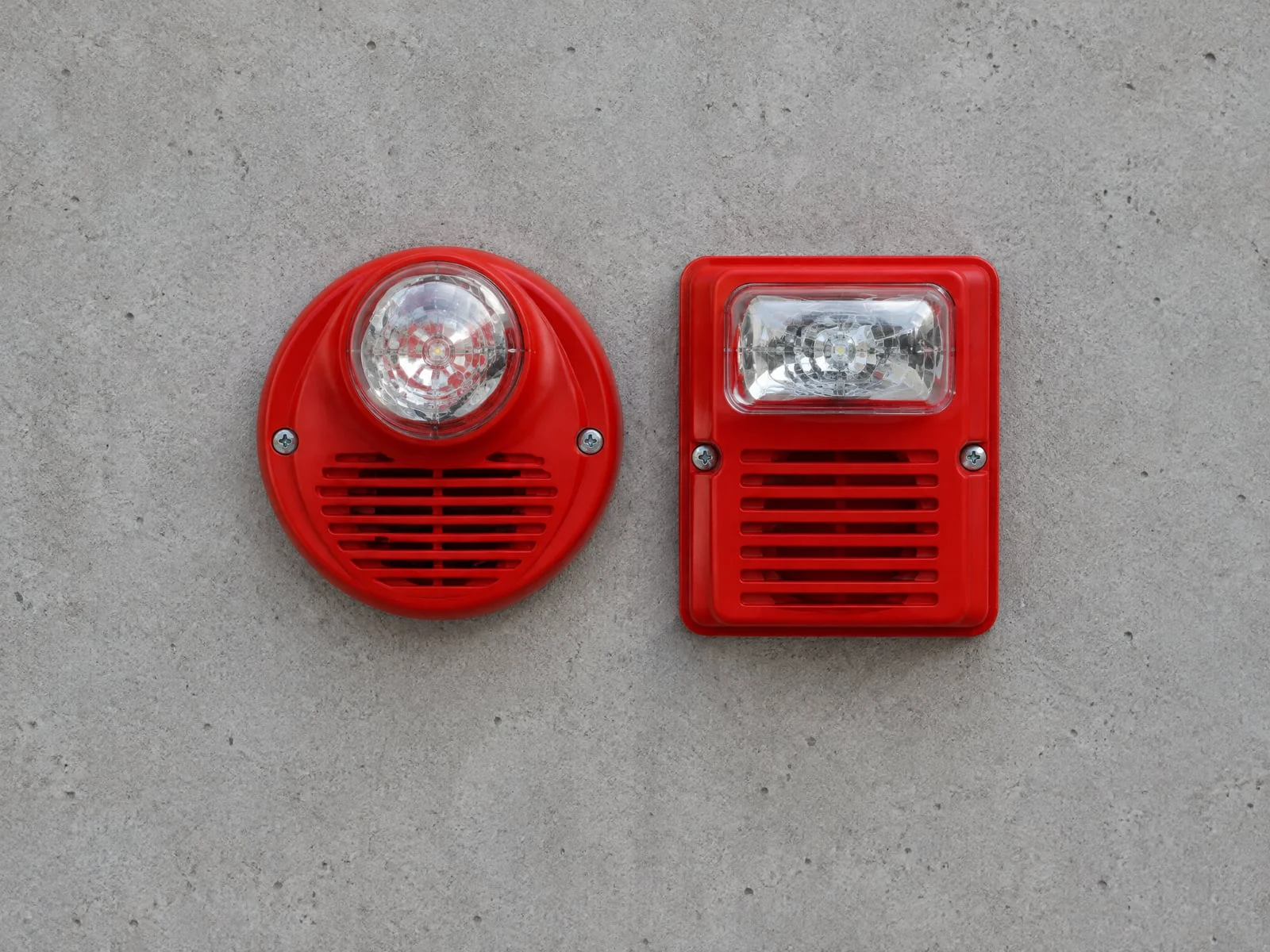
Hooters, strobes and warning signs
Warn people to leave before discharge
Design standards
We design FK-5-1-12 systems to NFPA 2001, the standard for clean agent fire extinguishing systems, and to UL/FM requirements where the project calls for them. For every room we prepare a design sheet showing the volume of the room and each void, the hazard class, design concentration and temperature, agent quantity, cylinder size and nozzles. The room must hold the agent for at least 10 minutes, so we check openings and can arrange a door fan test of the room's tightness.
Our process
Free site survey
We measure the rooms and voids, and check openings, ventilation and any existing system.
Design
Agent quantity calculation, cylinder and nozzle layout, detection and release sequence.
Supply and installation
Cylinders, pipework, nozzles, detectors and the releasing panel, installed by our own team.
Testing and commissioning
Detection and release circuits tested, room openings sealed, and staff trained on the warning and abort sequence.
Form A
As a licensed agency, we issue Form A for the work, which you submit to the fire brigade.
AMC and Form B
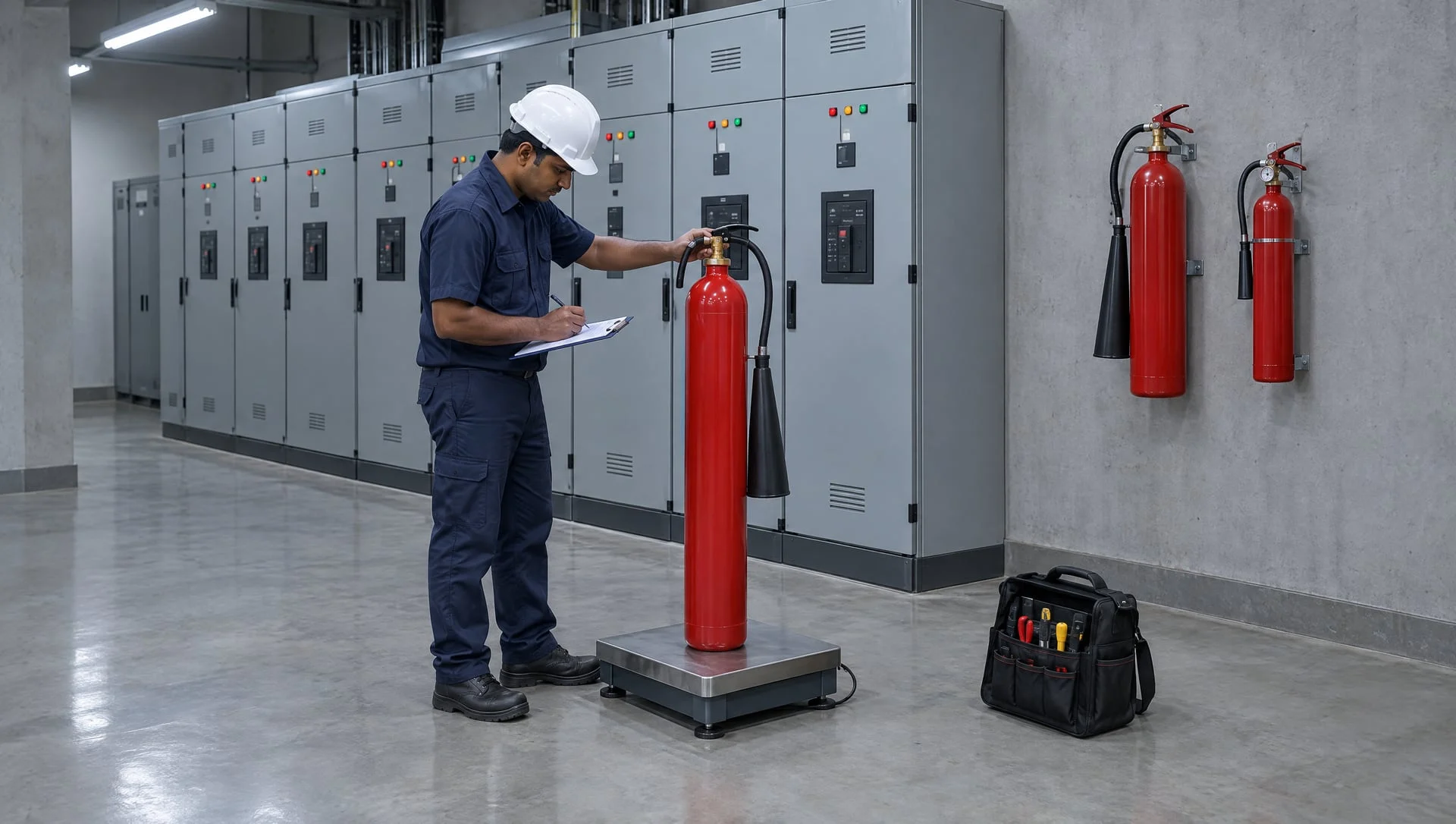
Agent quantity and pressure checked at least every six months, and Form B every January and July.
Our experience
Licences
Maharashtra Fire Services Licensed Agency (MFS/LA/RF-93/RD-95) and Maharashtra Electrical Contractor Licence No. 17545.
Electrical and utility work
Addressable fire alarm systems at 65 Adani Electricity receiving substations across Mumbai, May 2024 to January 2026.
Clients
Including TCS, BPCL, Godrej and Adani Electricity Mumbai.
Maintenance and Form B
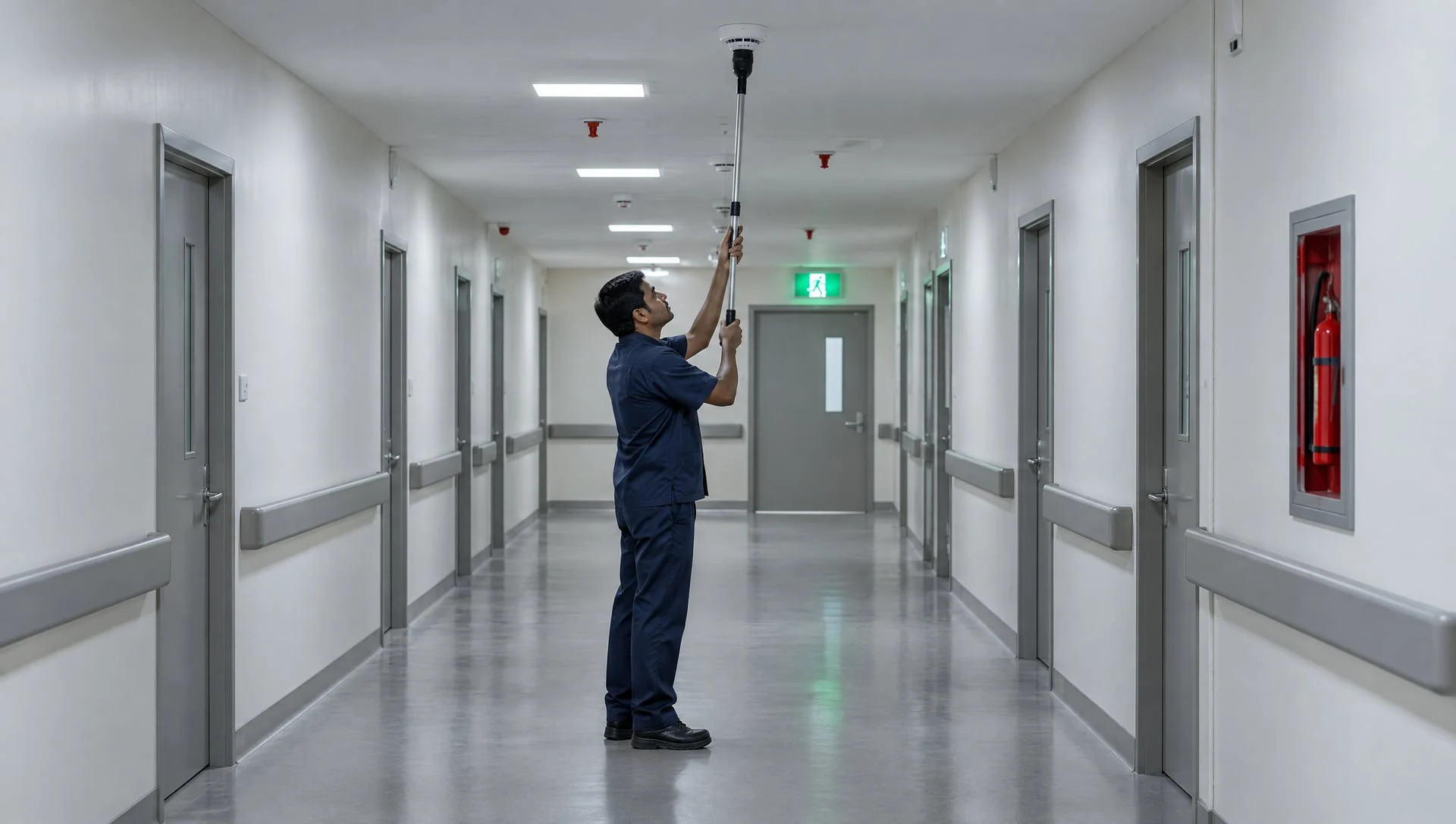
NFPA 2001 asks for the agent quantity and pressure in every cylinder to be checked at least every six months, and for a full inspection each year. Under AMC we do both, test the detectors, panel, actuators and warning devices, and tell you when changes to the room, such as new cable openings, affect the design. A licensed agency must inspect the fire systems and issue Form B every January and July, and we can include this in your AMC.
Why choose Cease Fire
Since 1992
1,500+ projects and the Rashtriya Nirman Ratna Award for Best Government Contractor (2002).
Straight advice after 3M's exit
We explain your options for new and existing systems.
Room-by-room calculations
A design sheet for every protected room.
Every major agent
FK-5-1-12, FM-200, inert gas and CO2, so we recommend the one that suits your room.
Book a free site survey
Send us the room sizes, including any false ceiling and raised floor, or book a visit. We will recommend the right agent and send a proposal with the calculation.
Frequently asked questions
What is a Novec 1230 fire suppression system?
It is a clean agent system that uses FK-5-1-12, sold by 3M as Novec 1230. It floods a room with the agent as a gas and puts out the fire in seconds without water or residue.
Is Novec 1230 discontinued?
3M announced in December 2022 that it would stop making Novec 1230 fluid by the end of 2025. The same agent, FK-5-1-12, is still made by other manufacturers.
Can my existing Novec 1230 system still be serviced?
Yes. It can still be inspected and maintained. Before any refill, we check which FK-5-1-12 fluid is approved for your system's listing.
Is FK-5-1-12 safe for occupied rooms?
At normal design concentrations, yes. Its no-observed-adverse-effect level is 10%, which is above typical design concentrations, but people should still leave the room when the alarm sounds.
What is the difference between Novec 1230 and FM-200?
Both are clean agents that leave no residue and suit occupied rooms. FK-5-1-12 has a much lower global warming potential, while FM-200 (HFC-227ea) is an HFC being phased down under the Kigali Amendment.
How much FK-5-1-12 does a room need?
It depends on the room and void volumes, the hazard class and the design concentration and temperature. We prepare a design sheet for every room.
How often should an FK-5-1-12 system be checked?
Agent quantity and pressure should be checked at least every six months, with a full inspection each year. A licensed agency must also inspect the fire systems for Form B every January and July.
Can FK-5-1-12 protect electrical cabinets as well as rooms?
Yes. It protects whole rooms by total flooding, and single cabinets through tube systems and ready-made cabinet kits. See our electrical panel protection page.
Question not answered here? Call our team, Monday to Saturday, 9 am to 7 pm.
Call +91 9920676281