Tube Based Fire Suppression System in Mumbai
Cease Fire & Electrical Services LLP designs and installs the tube based fire suppression system, in direct and indirect types, for electrical panels, server racks, CNC machines, generators and other small enclosures in Mumbai. A tube based fire suppression system uses a pressurised, heat-sensitive tube that runs through the enclosure; in a fire it bursts at the hottest point and releases the agent within seconds. It needs no electrical power to detect or release, so it keeps working even if the supply fails.
How the detection tube works
The tube is a flexible polymer line kept under pressure and connected to an agent cylinder. It is routed through the enclosure, close to where a fire would start. When the tube is heated by a fire, it softens and bursts at the hottest point. The drop in pressure opens the cylinder valve and releases the agent. A pressure gauge or switch shows that the system is charged and can signal the fire alarm when it operates.
The detection tube and the pressure switch are also available as separate components for tube systems.
Direct or indirect?
How the agent is released
Direct systemThrough the burst point in the tube itself, straight onto the fire
Indirect systemThrough separate discharge pipework and nozzles; the tube only detects
Coverage
Direct systemPinpoint, at the source of the fire
Indirect systemThe whole enclosure, from several nozzles
Suits
Direct systemSmall enclosures: panels, server racks, fume cupboards
Indirect systemLarger enclosures: bigger panels, CNC machines, generator enclosures, dust collectors
Agent used
Direct systemLess agent for the same hazard
Indirect systemMore agent, to fill the enclosure
We choose direct or indirect from the enclosure size, how many places a fire could start and how open the enclosure is.
Agents
Tube systems can be filled with different agents, chosen for the hazard:
- Clean agent (FK-5-1-12 or HFC-227ea)
- Electrical panels, server racks and electronics, where no residue is wanted
- CO2
- Unoccupied machine enclosures and electrical cabinets
- Dry powder
- Engine and generator enclosures and other hazards where residue is acceptable
Where tube systems are used
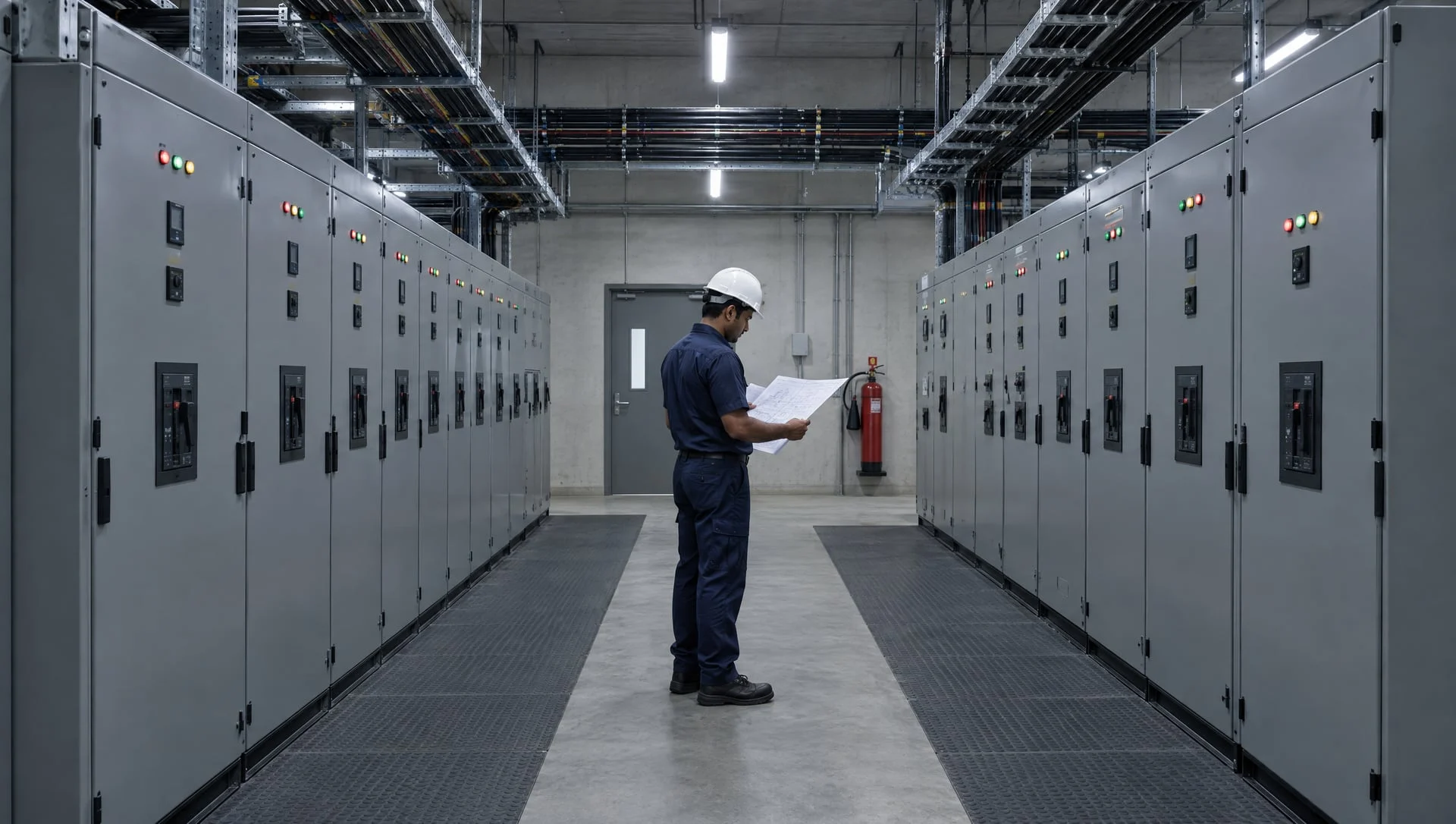
Electrical panels, MCCs and PLC cabinets
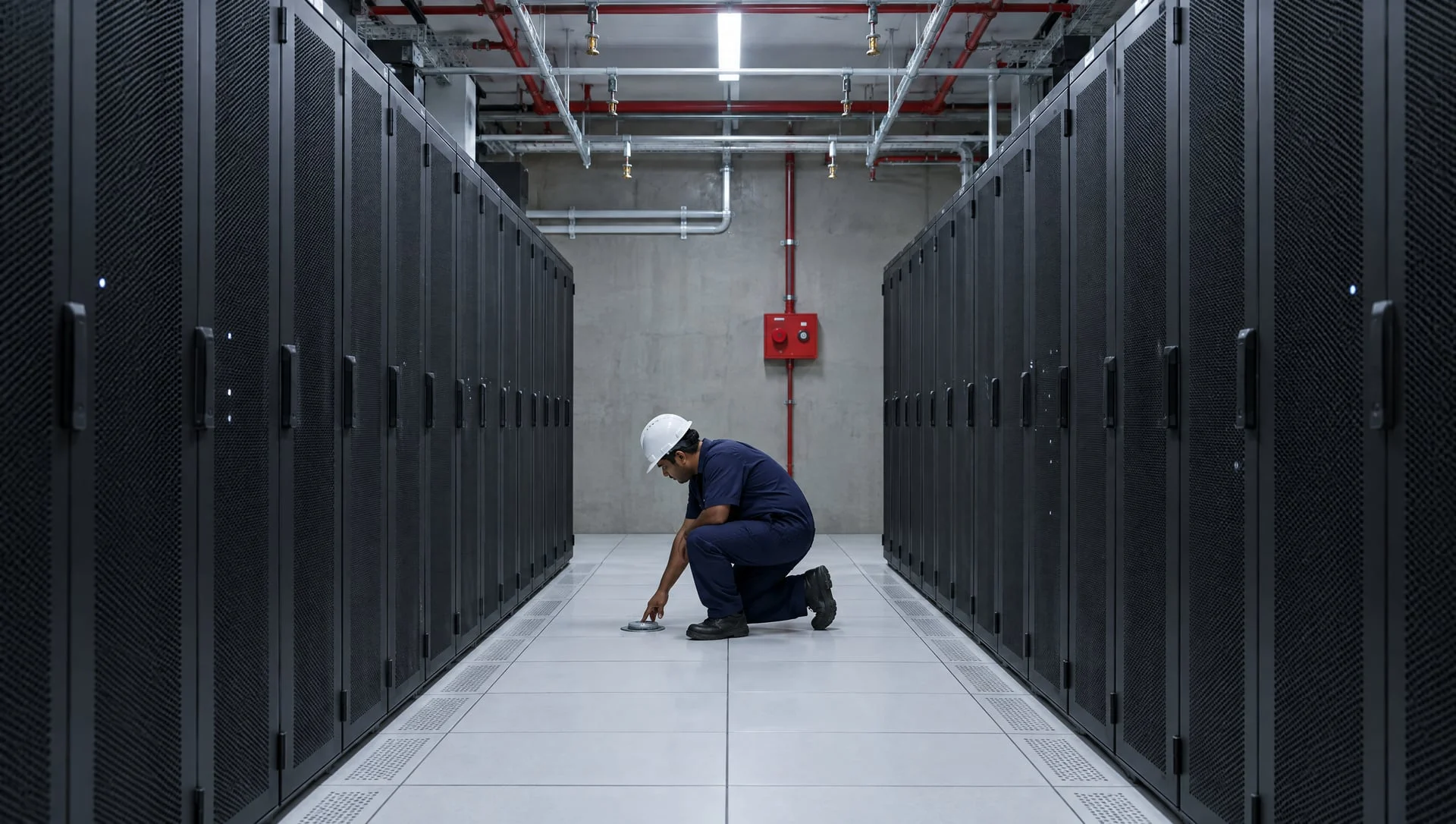
Server racks and telecom cabinets
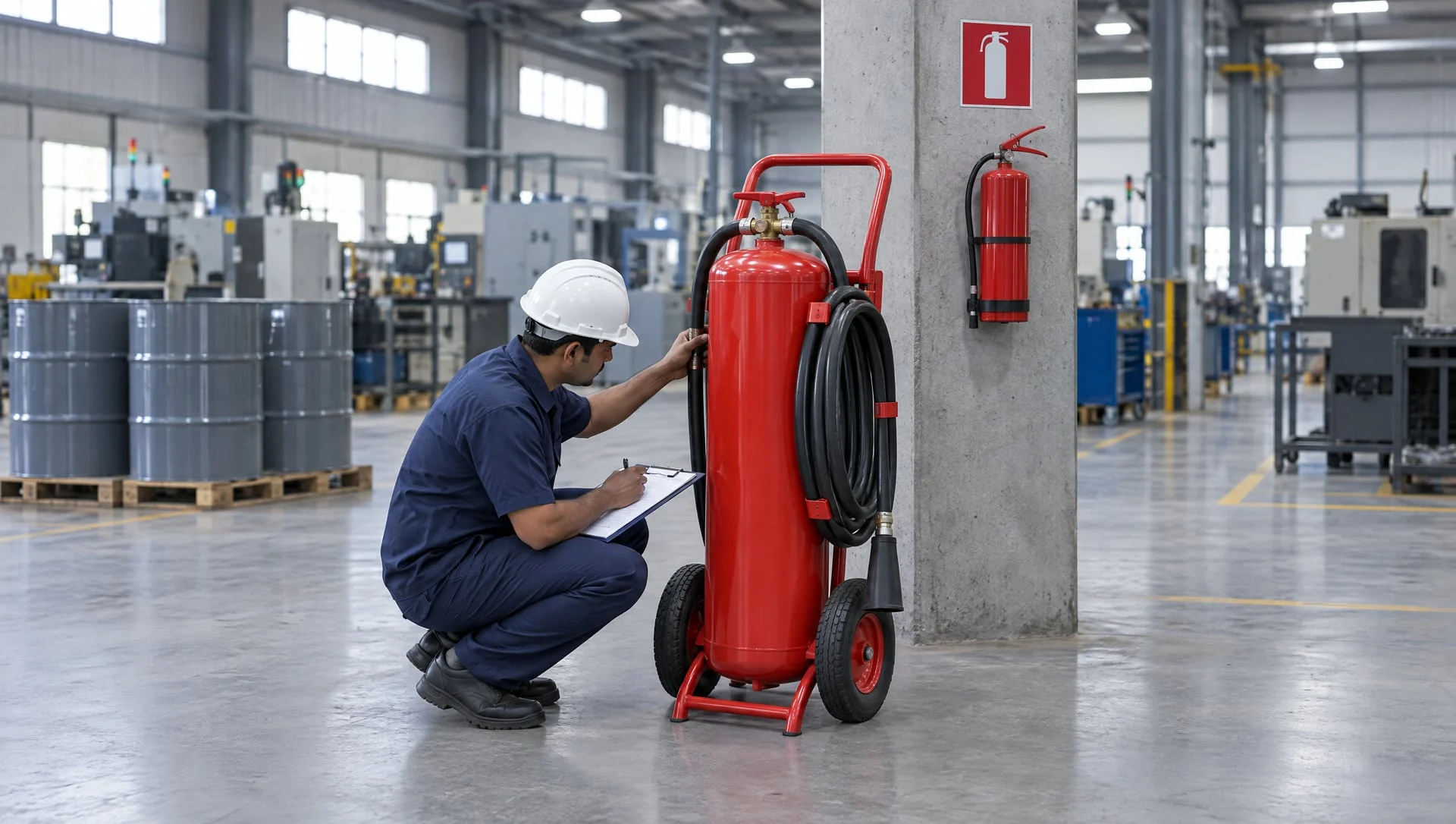
CNC machines and machine tool enclosures
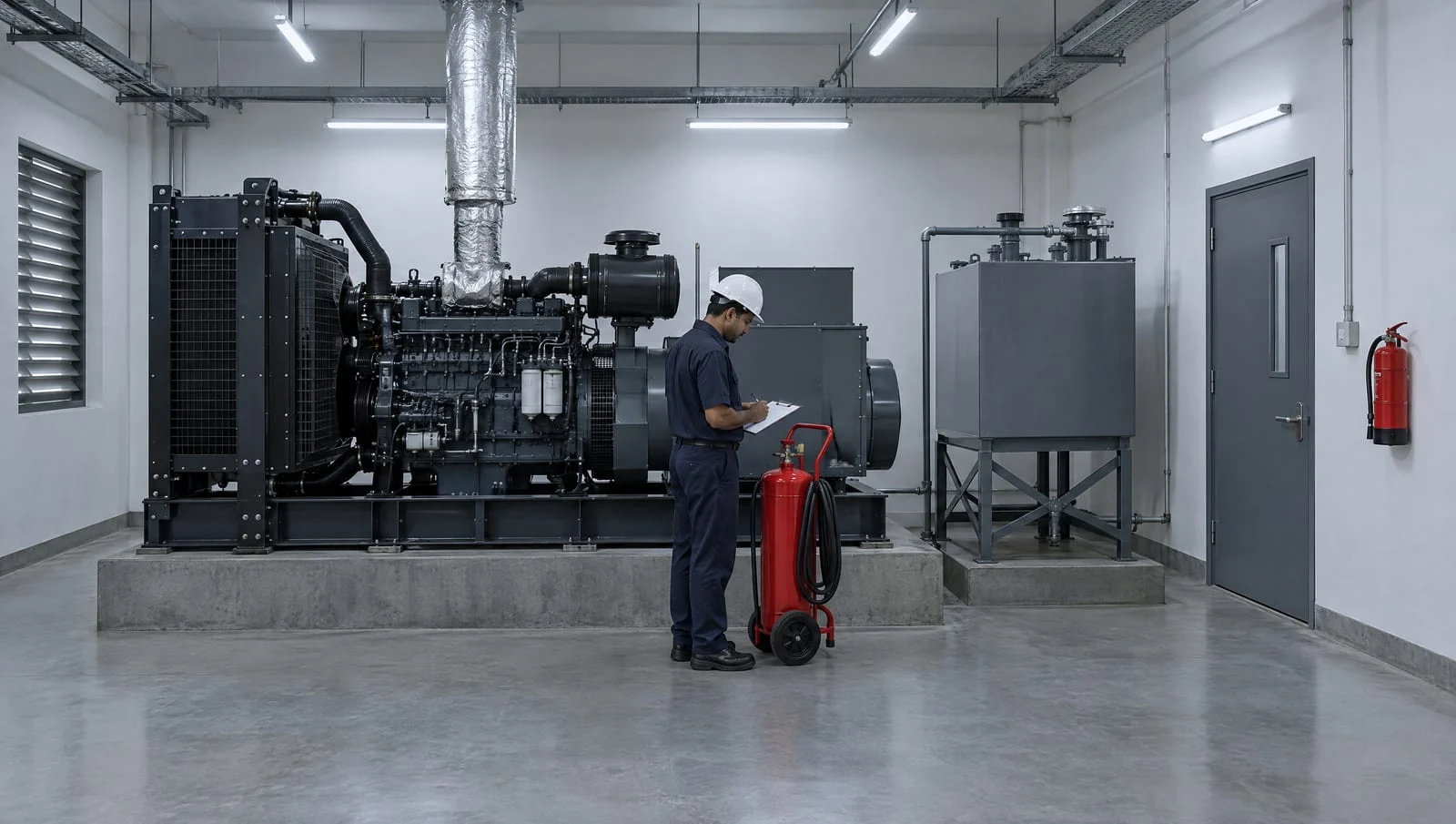
Generator and engine enclosures
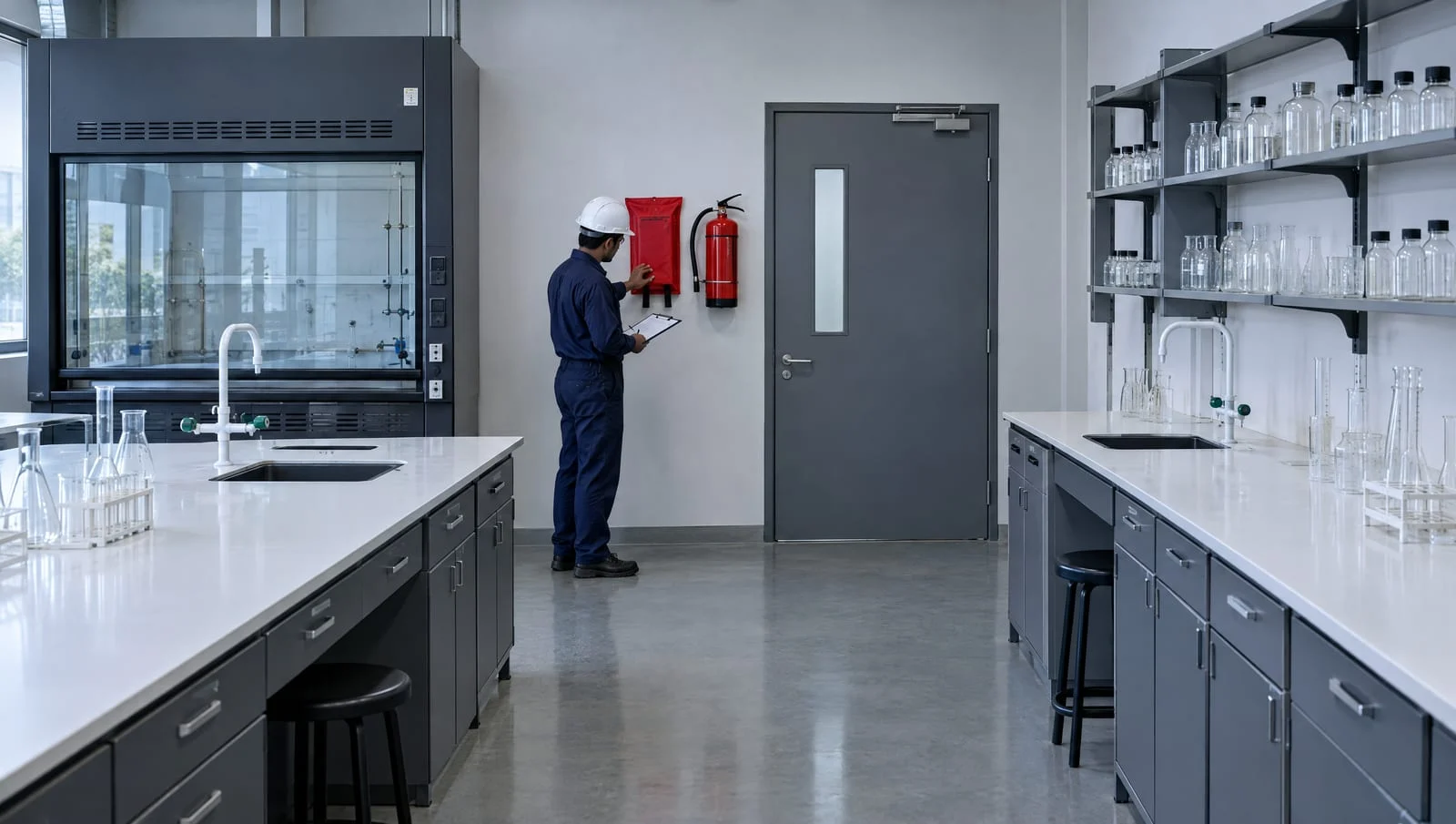
Fume cupboards, laboratory cabinets and small stores
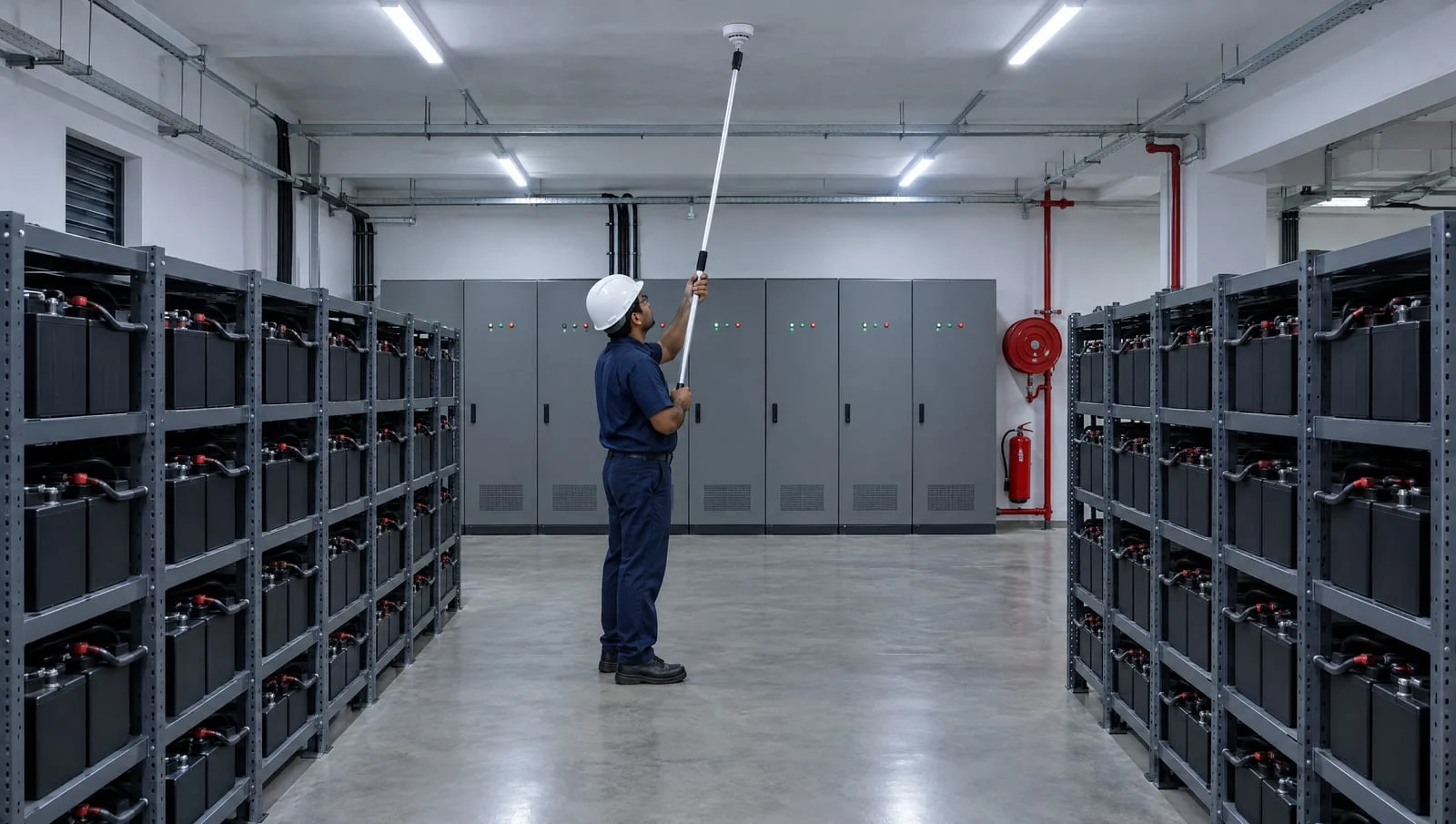
Battery cabinets and charging enclosures
Design standards
We design tube systems to the maker's listed design for the enclosure volume and agent, to the NFPA standard for that agent, and to UL/FM requirements where the project calls for them. Every enclosure gets a design sheet showing its volume, the agent quantity, the cylinder size and the tube route.
Our process
Free site survey
We measure each enclosure, note openings and airflow, and list where fires could start.
Design
Direct or indirect type, agent choice, cylinder size and tube route.
Supply and installation
Cylinders, tube, nozzles (indirect systems) and pressure switches, installed by our own team with minimum downtime.
Testing and commissioning
System pressure checked, signal to the fire alarm tested, and staff trained.
Form A
As a licensed agency, we issue Form A for the work, which you submit to the fire brigade.
AMC and Form B
Periodic checks of pressure and tube condition, and Form B every January and July.
Our experience
Tube systems installed by our team
On electrical and machine enclosures.
Electrical and utility work
Addressable fire alarm systems at 65 Adani Electricity receiving substations across Mumbai, May 2024 to January 2026.
Licences
Maharashtra Fire Services Licensed Agency (MFS/LA/RF-93/RD-95) and Maharashtra Electrical Contractor Licence No. 17545.
Maintenance and Form B
Tubes can be damaged or kinked when equipment is serviced, and a slow pressure loss means the system may not work. Under AMC we check each cylinder's pressure, inspect the tube along its route, and test the signal to the fire alarm. A licensed agency must inspect the fire systems and issue Form B every January and July, and we can include this in your AMC.
Why choose Cease Fire
Since 1992
1,500+ projects and the Rashtriya Nirman Ratna Award for Best Government Contractor (2002).
Direct and indirect
We choose the type and agent for each enclosure, not one product for all.
Fire and electrical in one team
Licensed fire agency and licensed electrical contractor.
Licensed
We issue Form A and Form B ourselves.
Related products and services

Book a free site survey
Send the sizes of the enclosures you want to protect, or book a visit. We will recommend direct or indirect systems and send a clear proposal.
Frequently asked questions
What is a tube based fire suppression system?
It is a system that uses a pressurised, heat-sensitive tube routed through an enclosure. In a fire the tube bursts and releases the agent onto the fire.
What is the difference between direct and indirect tube systems?
In a direct system the agent comes out through the burst point in the tube itself. In an indirect system the tube only detects the fire, and the agent is released through separate pipework and nozzles.
Does a tube system need electricity?
No. Detection and release are mechanical, driven by the tube pressure, so the system works even during a power failure. A pressure switch can still signal the fire alarm.
Where are tube suppression systems used?
They protect electrical panels, server racks, CNC machines, generator enclosures, fume cupboards and battery cabinets.
Which agent is used in a tube system?
Clean agents suit electronics, CO2 suits unoccupied machine and electrical enclosures, and dry powder suits engine enclosures where residue is acceptable.
How often should a tube system be checked?
Most sites have quarterly checks and an annual service under AMC, including the pressure gauge and the tube route. A licensed agency must also inspect the fire systems for Form B every January and July.
At what temperature does the detection tube burst?
Detection tube is available in 110 °C and 180 °C ratings. We choose the rating to suit the normal operating temperature inside the enclosure.
What does the pressure switch do on a tube system?
It senses the pressure drop when the tube bursts and sends a signal, so the fire alarm panel or equipment controls know the system has operated.
Question not answered here? Call our team, Monday to Saturday, 9 am to 7 pm.
Call +91 9920676281