
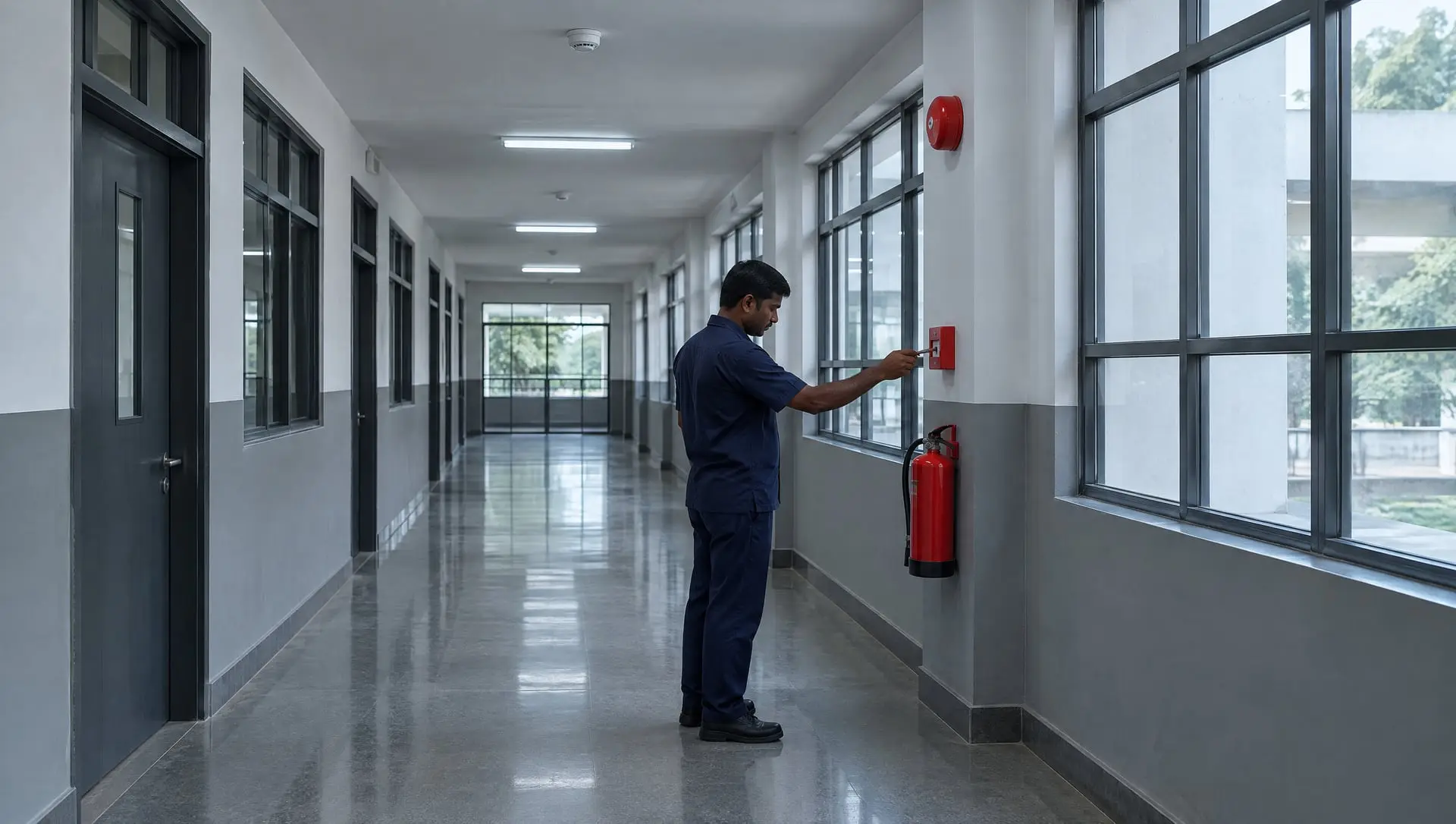
Conventional Fire Alarm System in Mumbai
Cease Fire & Electrical Services LLP installs and maintains the conventional fire alarm system for shops, small offices, clinics, schools and smaller residential and commercial buildings in Mumbai. A conventional fire alarm system divides the building into zones, and the panel shows which zone is in alarm rather than which device. It is simple, reliable and lower in cost, which makes it a good fit where the building is small enough to search a zone quickly.
How a conventional system works
Detectors and call points in one area are wired together on a two-wire zone circuit that runs back to the panel. The circuit ends in an end-of-line device, so the panel can tell whether the zone is normal, in fault (for example a broken wire) or in alarm. When any device on the zone operates, the panel lights that zone, sounds the hooters and can switch outputs such as a hooter circuit or a signal to another system. Staff then search the zone to find the device.
Zoning rules in IS 2189
Good zoning is what makes a conventional system work, because the zone is all the panel can tell you.
- Detectors per zone
- Not more than 20 conventional detectors
- Zone size
- Not more than 2,000 m²
- Floors per zone
- One floor per zone if the building is larger than 300 m²
- Search distance
- Not more than 30 m walked within a zone to find the fire
Components of a conventional system
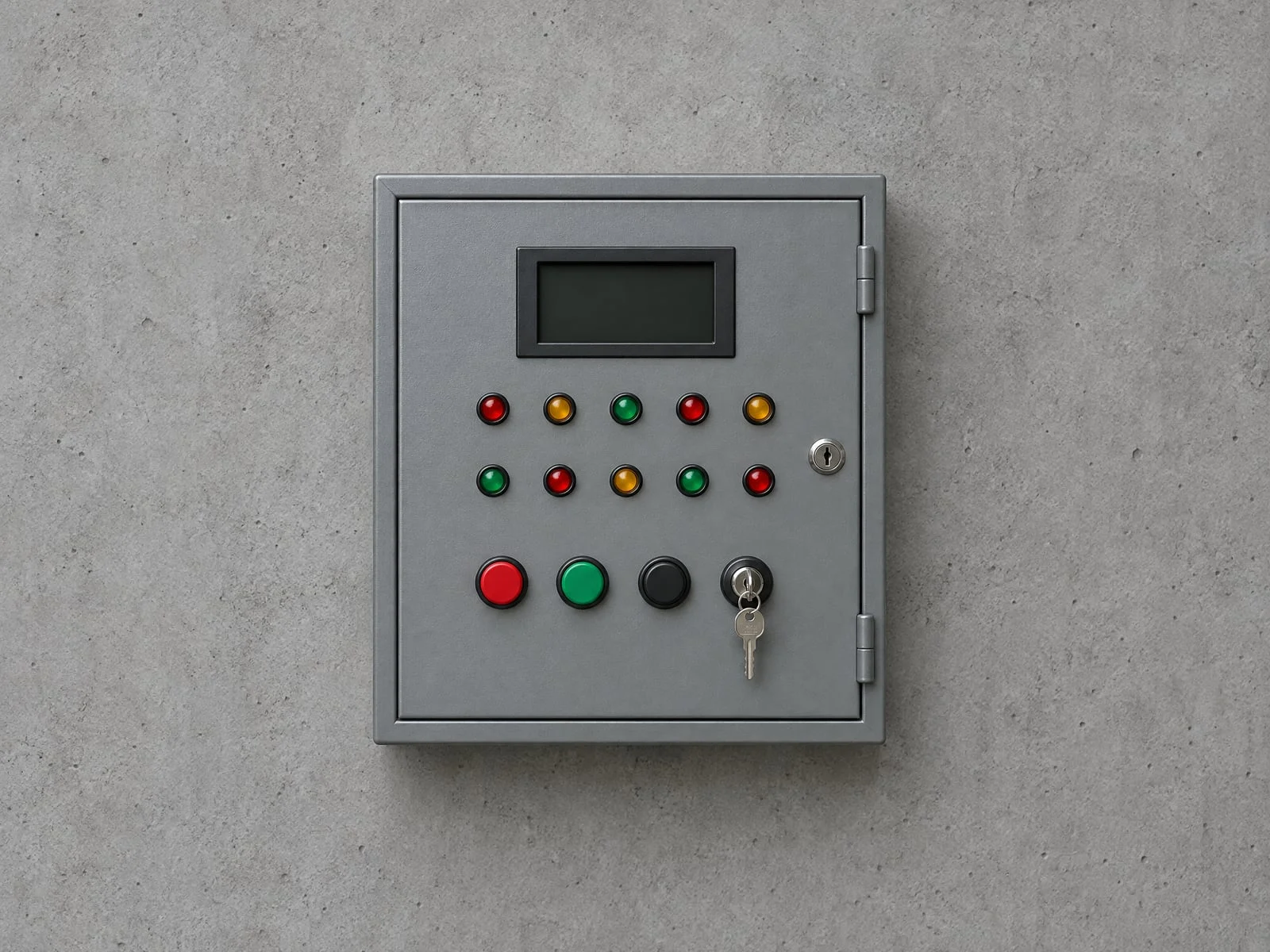
Conventional fire alarm panel
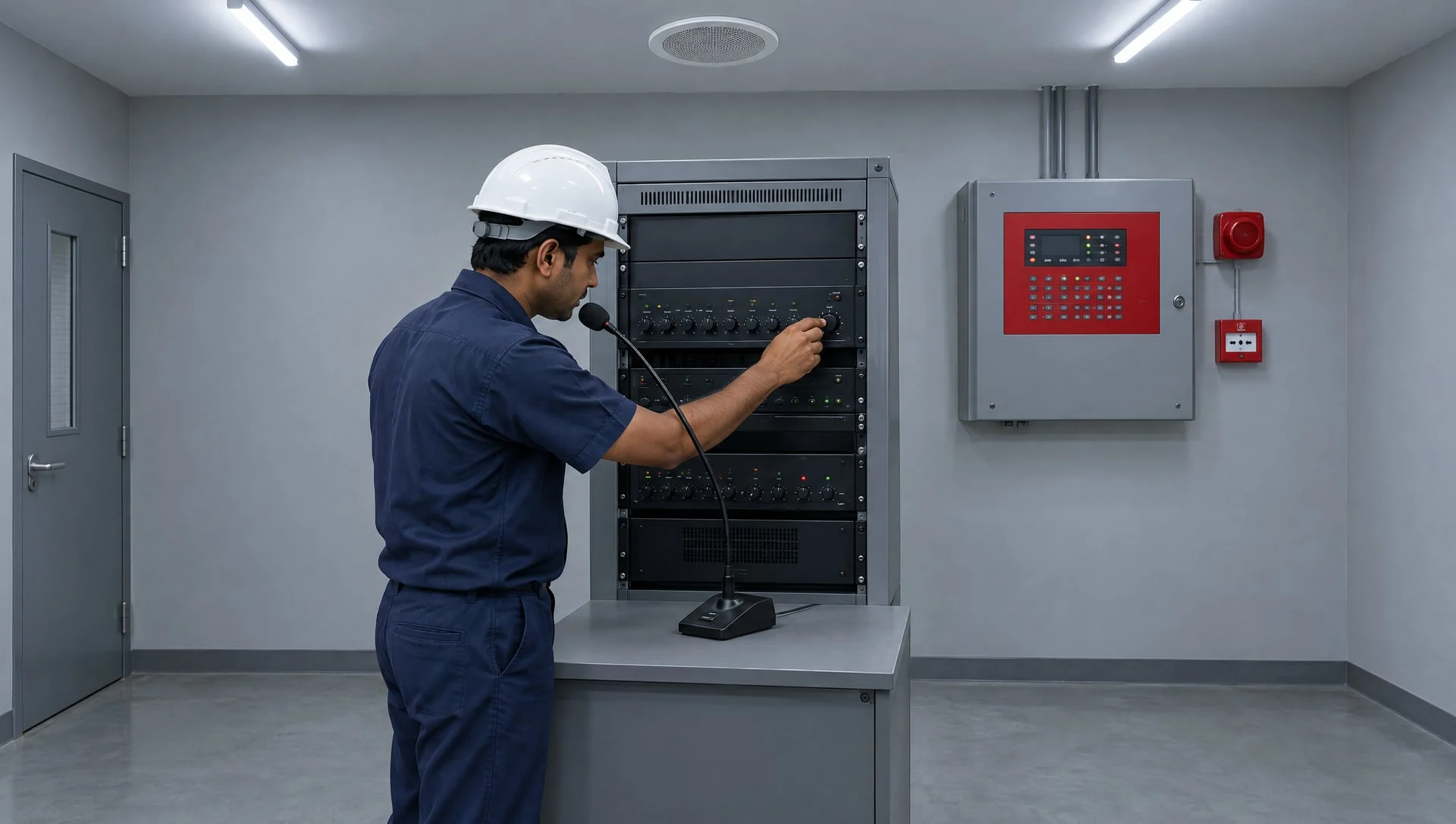
Monitors each zone, shows the zone in alarm and sounds the hooters
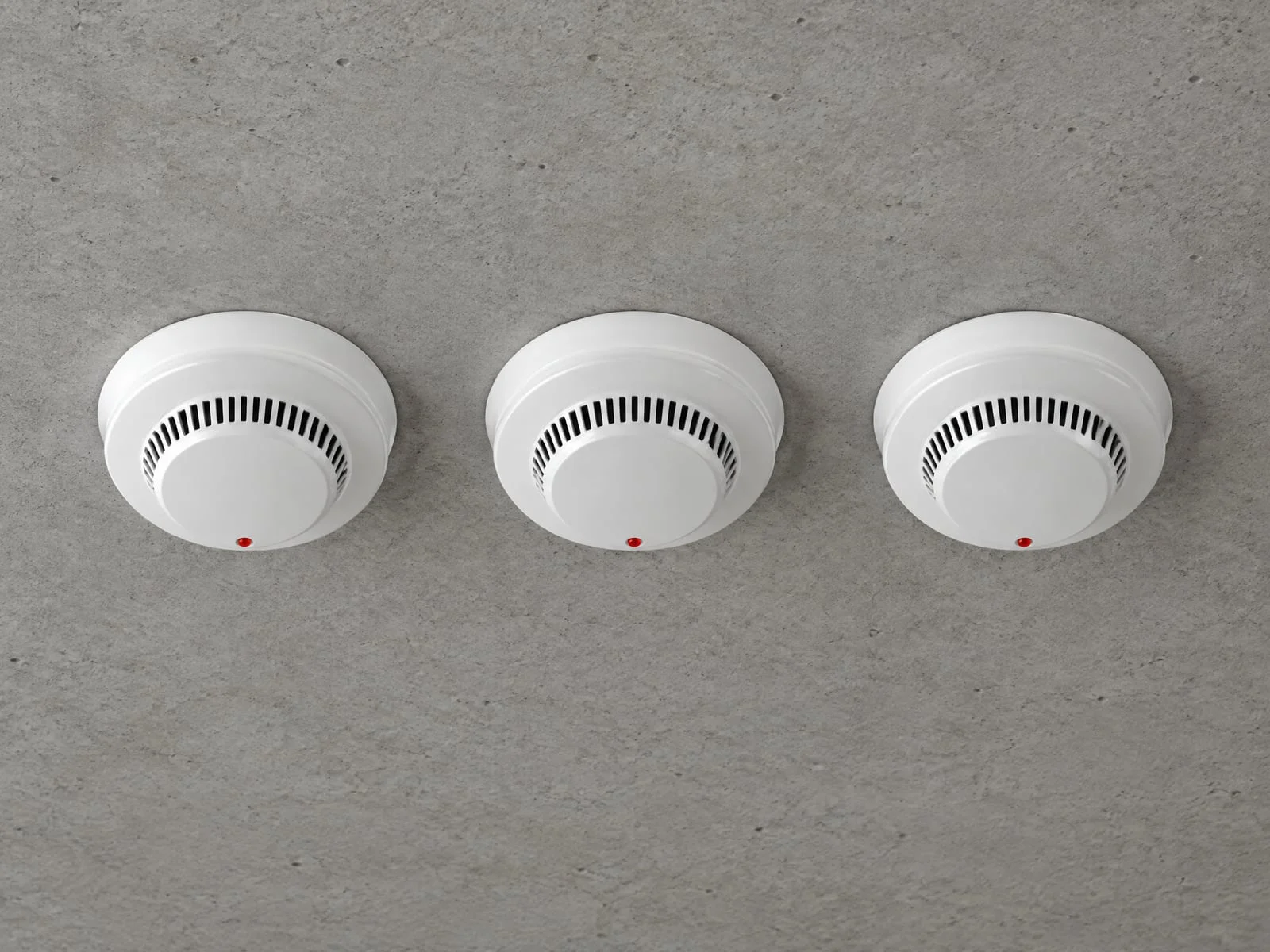
Smoke detectors
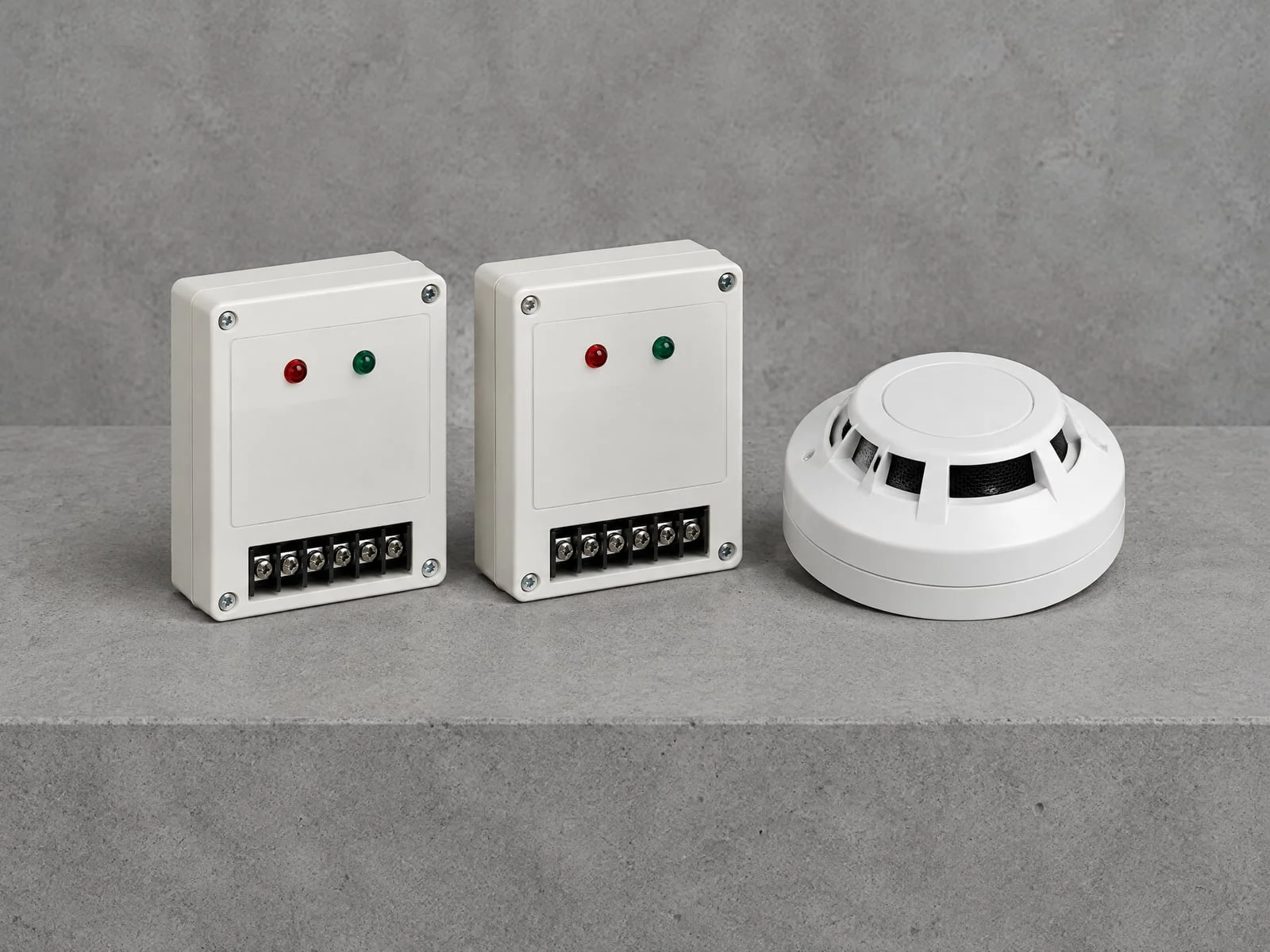
Detect smoke early in rooms, corridors and lobbies
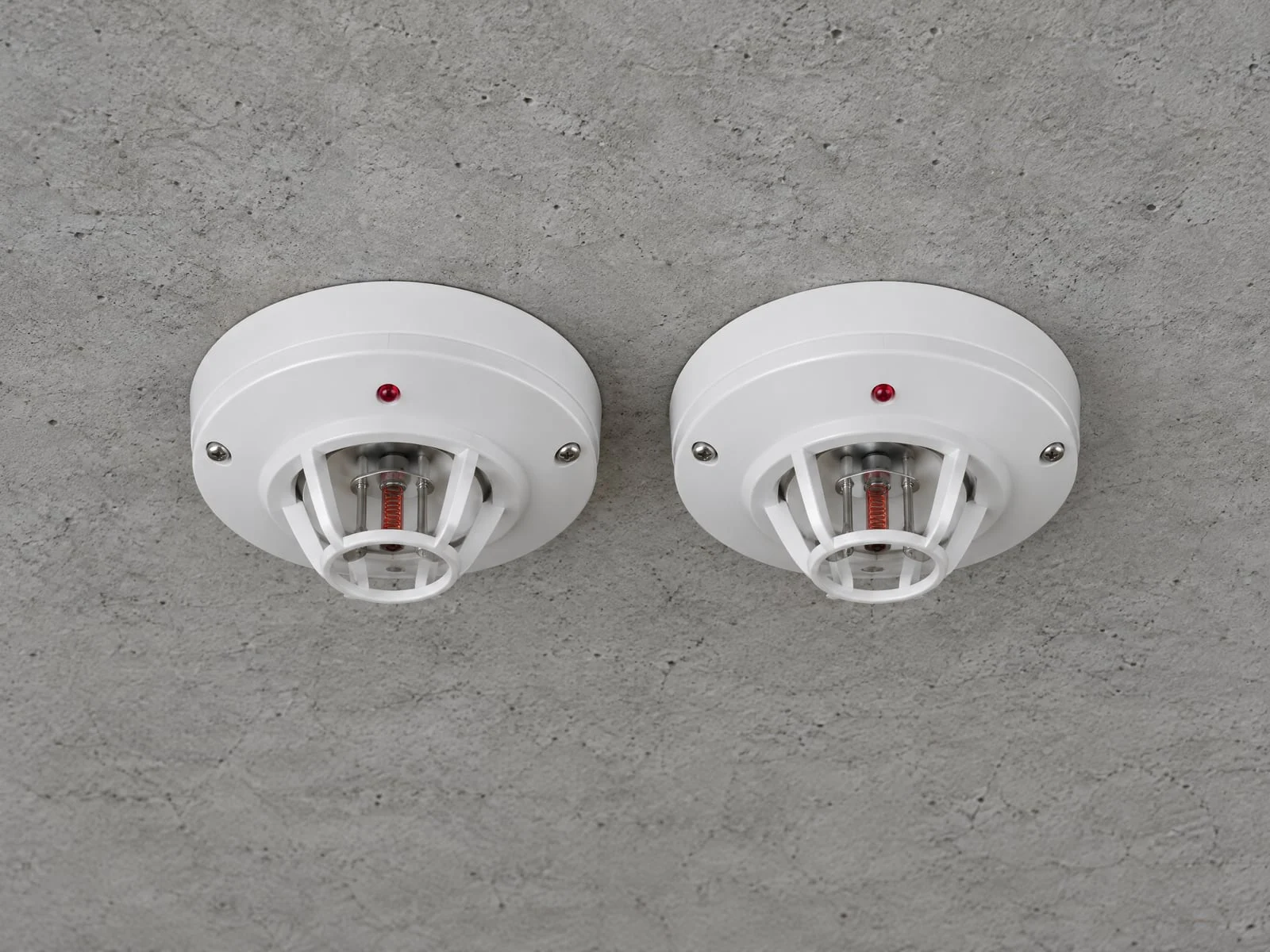
Heat detectors (fixed temperature and rate of rise)
Detect heat in kitchens, car parks and dusty areas
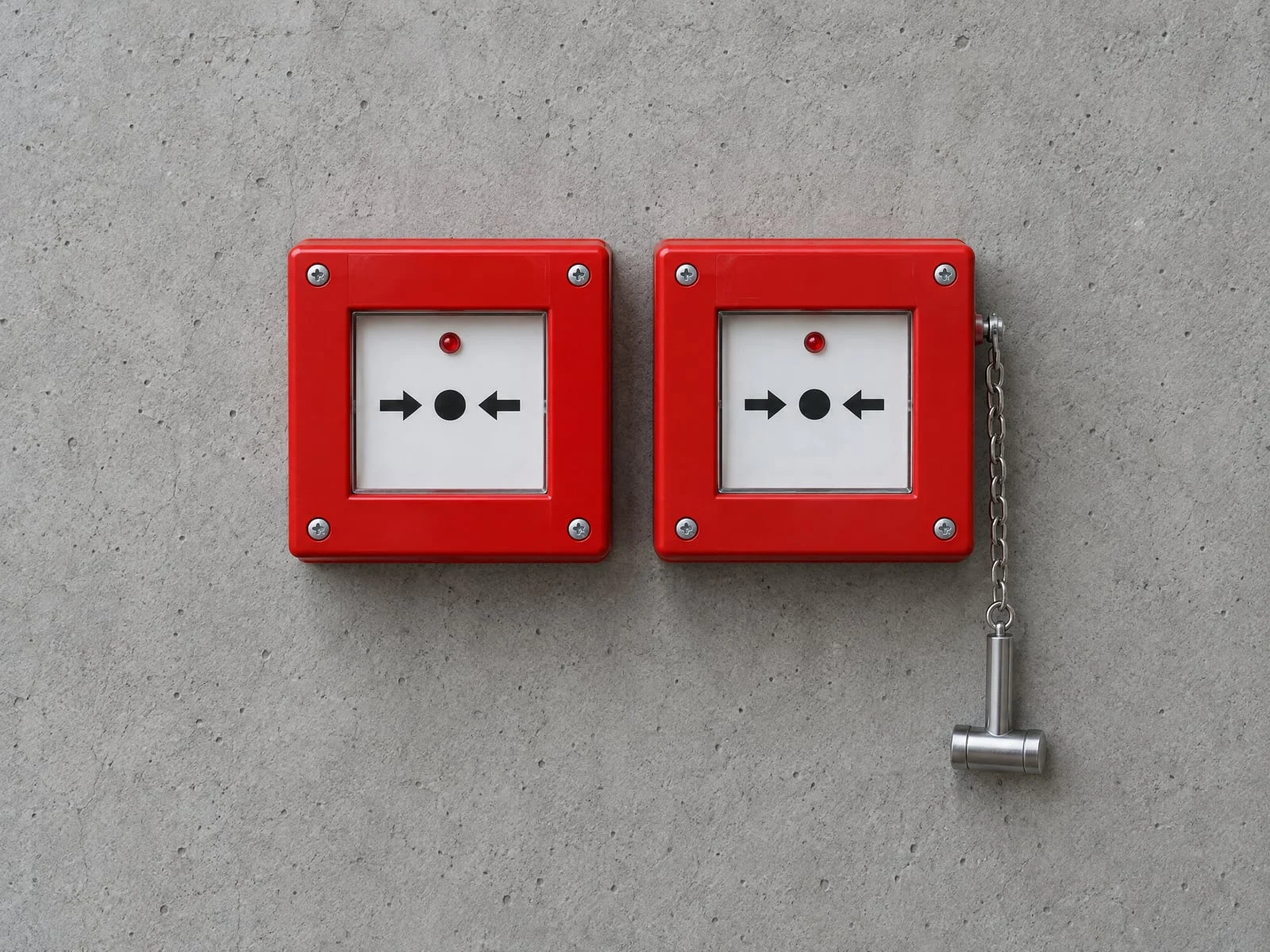
Manual call points
Let people raise the alarm by hand
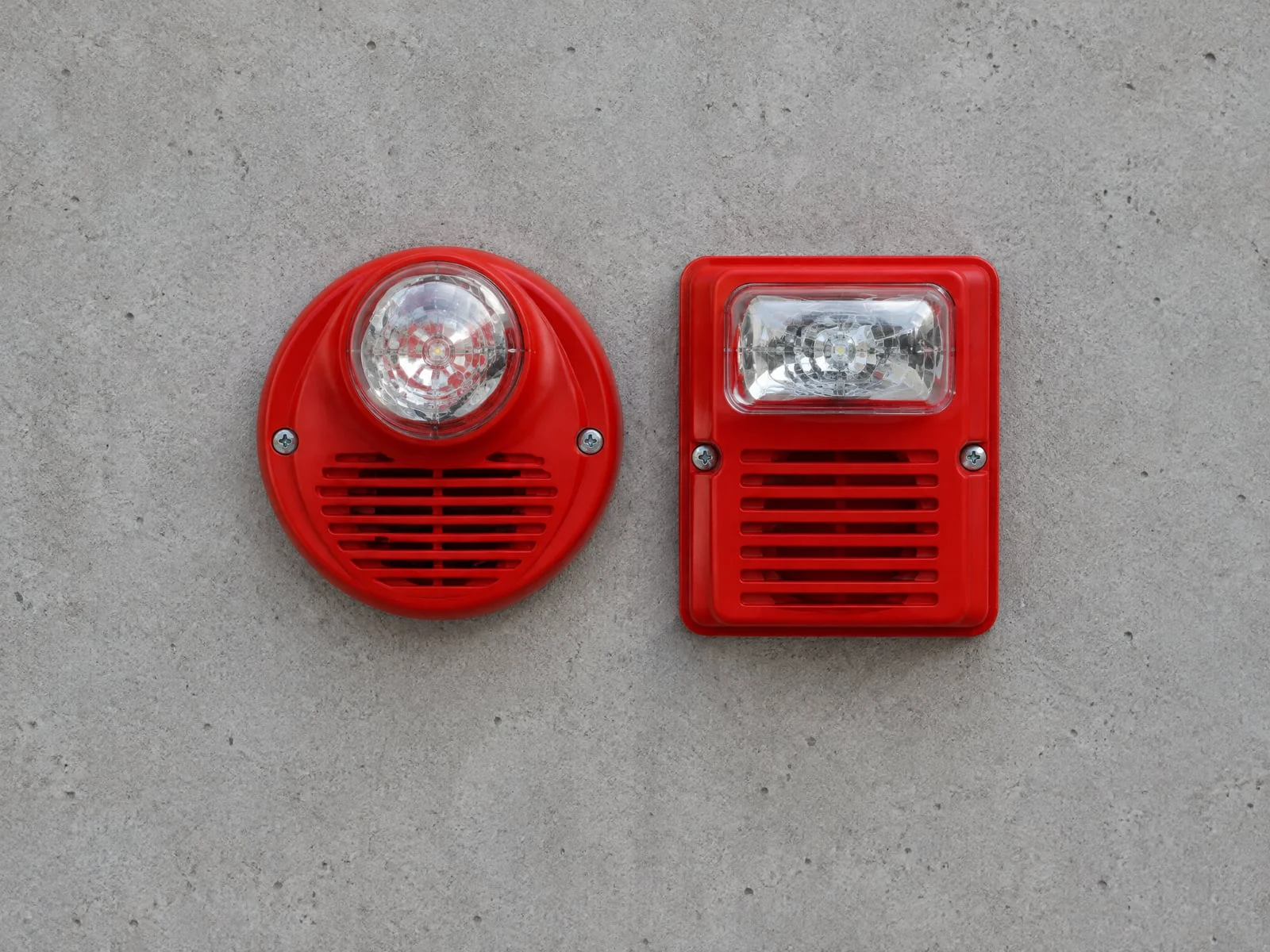
Hooters, strobes and sounders
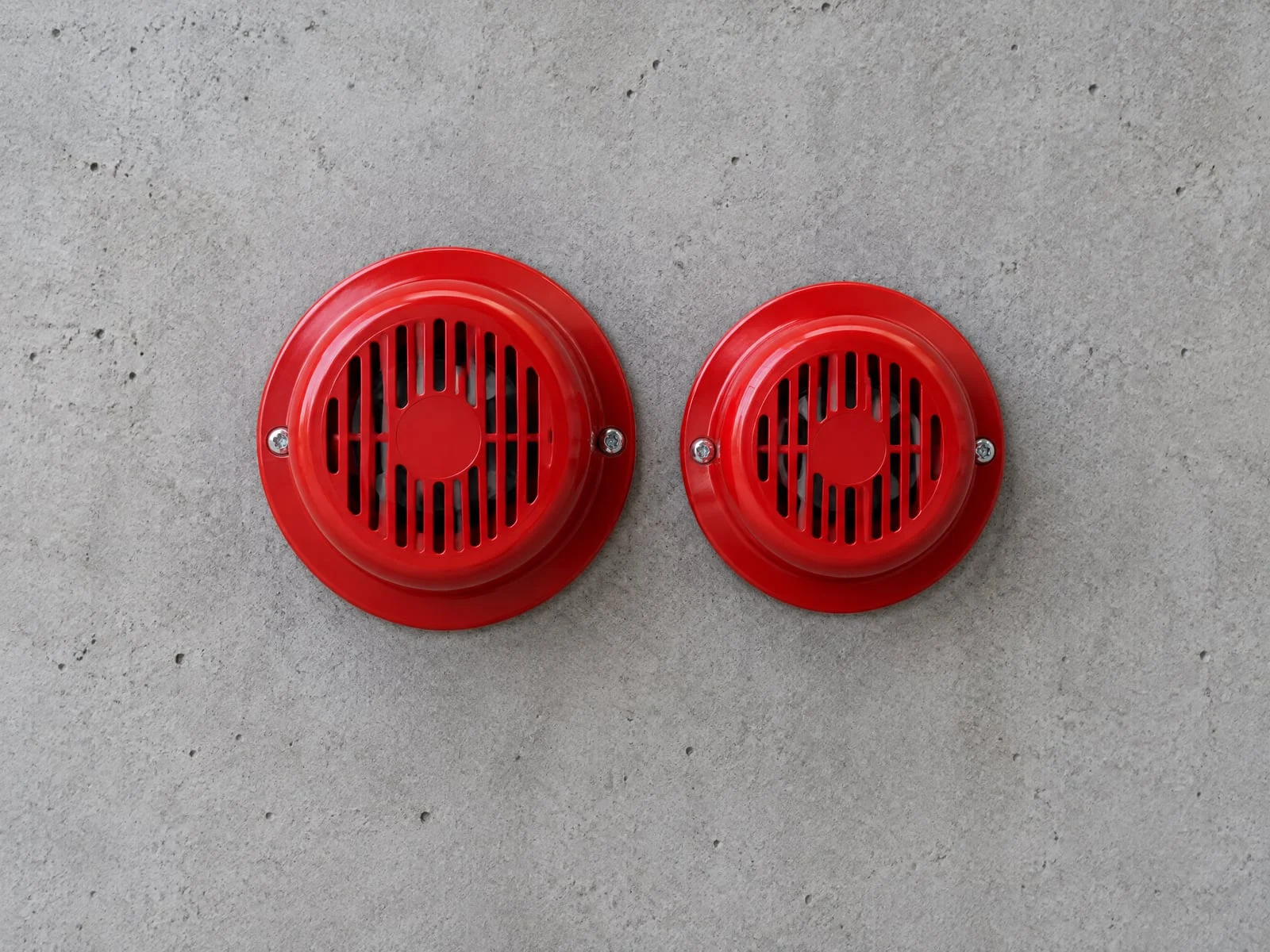
Warn occupants to evacuate
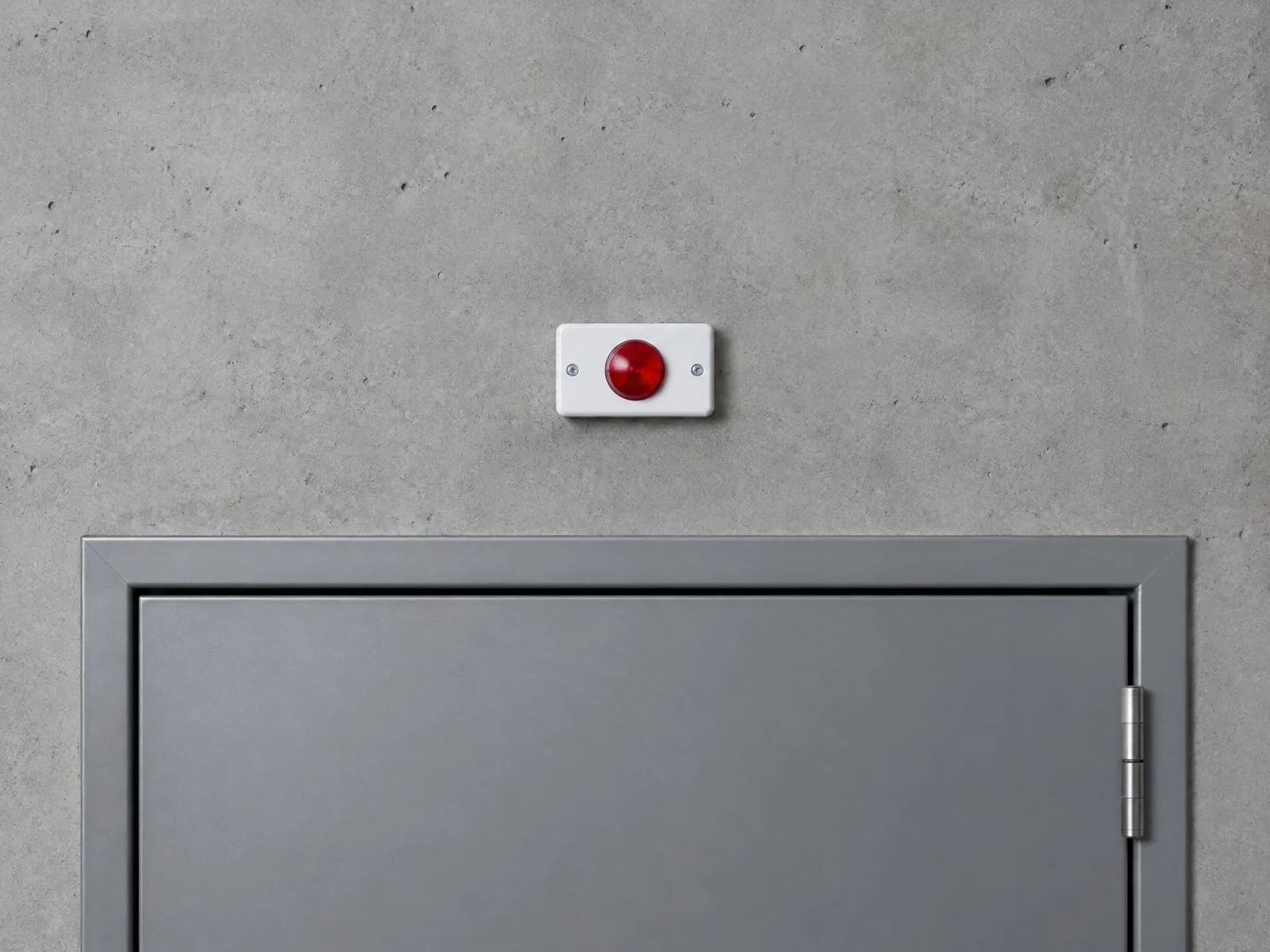
Response indicators
Show outside a closed room that a detector inside has operated
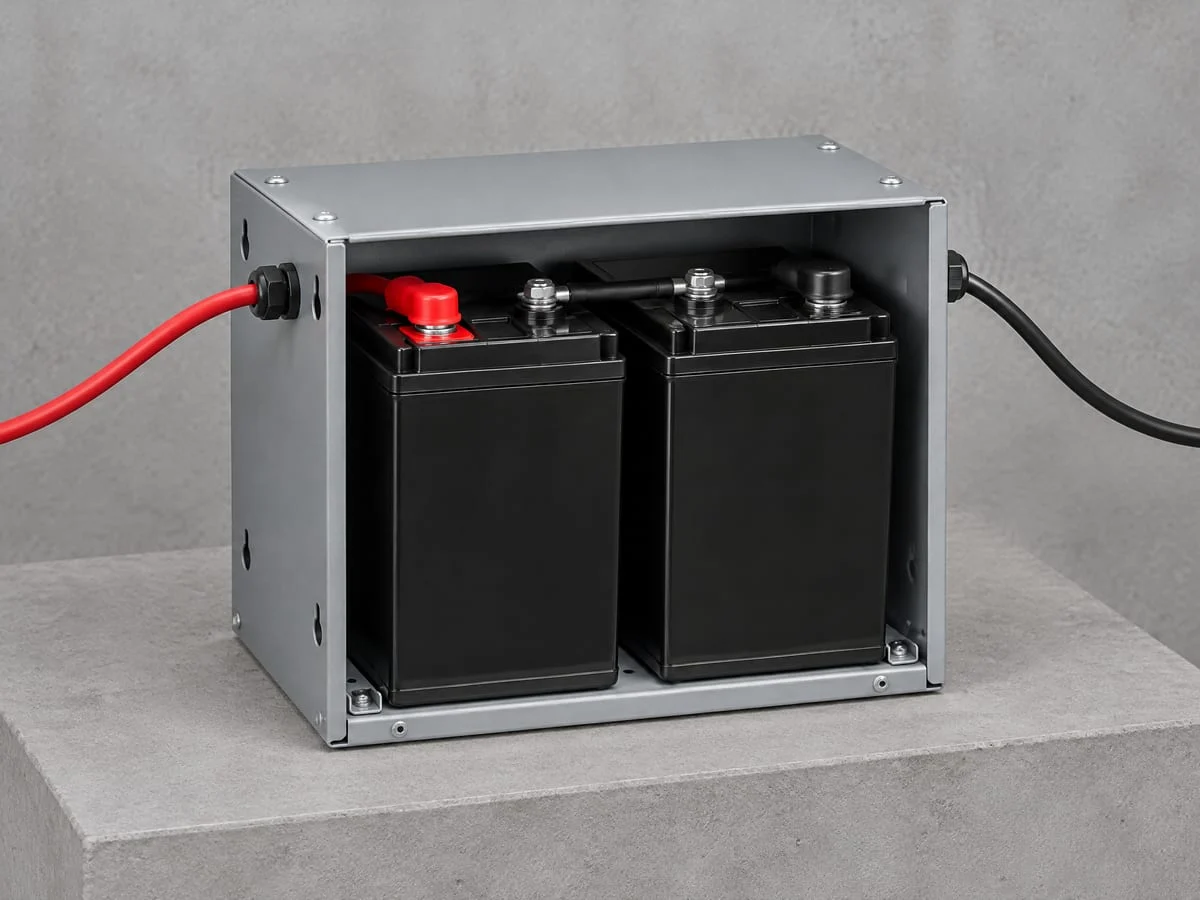
Standby battery
Keeps the system running during a power cut
We supply the panels and devices ourselves.
Conventional or addressable?
- The building is small and each zone is easy to search
- The building is large or tall and finding the exact device matters
- There are few zones and few other services to control
- Many services need to be controlled, such as AHUs, lifts and fans
- Budget is the main concern
- Fault finding device by device will save time over the system's life
If the building grows, a conventional system can be replaced in stages, and existing detectors can often be kept on zone modules connected to an addressable panel.
Design standards
We design conventional fire alarm systems to IS 2189 and NFPA 72. Detector types and spacing are chosen for each room's height and use, and zones are planned so that each one can be searched quickly.
Our process
Free site survey
We review the building, room uses and any existing system.
Design
Zone plan, device layout, panel size and cable routes.
Supply and installation
Panel, detectors, call points, hooters and cabling, installed by our own team.
Testing and commissioning
Every device and zone tested, fault and alarm signals checked, and staff trained.
Form A
As a licensed agency, we issue Form A for the work, which you submit to the fire brigade.
AMC and Form B
Usually quarterly checks with an annual service, and Form B every January and July.
Fire detection projects
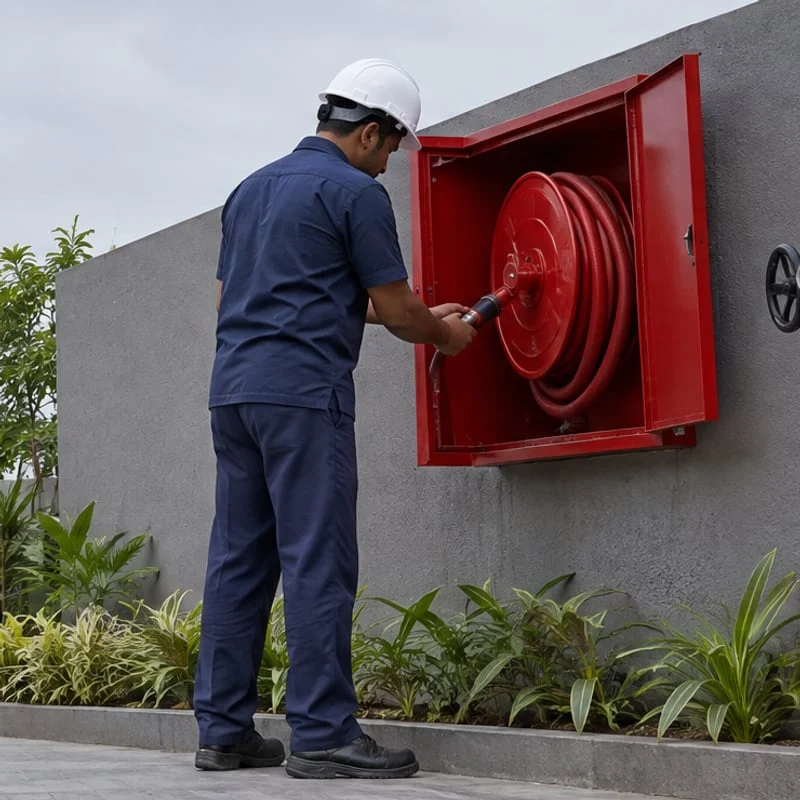

Palkhi Roha, Kandivali East (G + 14)
Fire detection with fire fighting, sprinklers and signage, completed in April 2024.
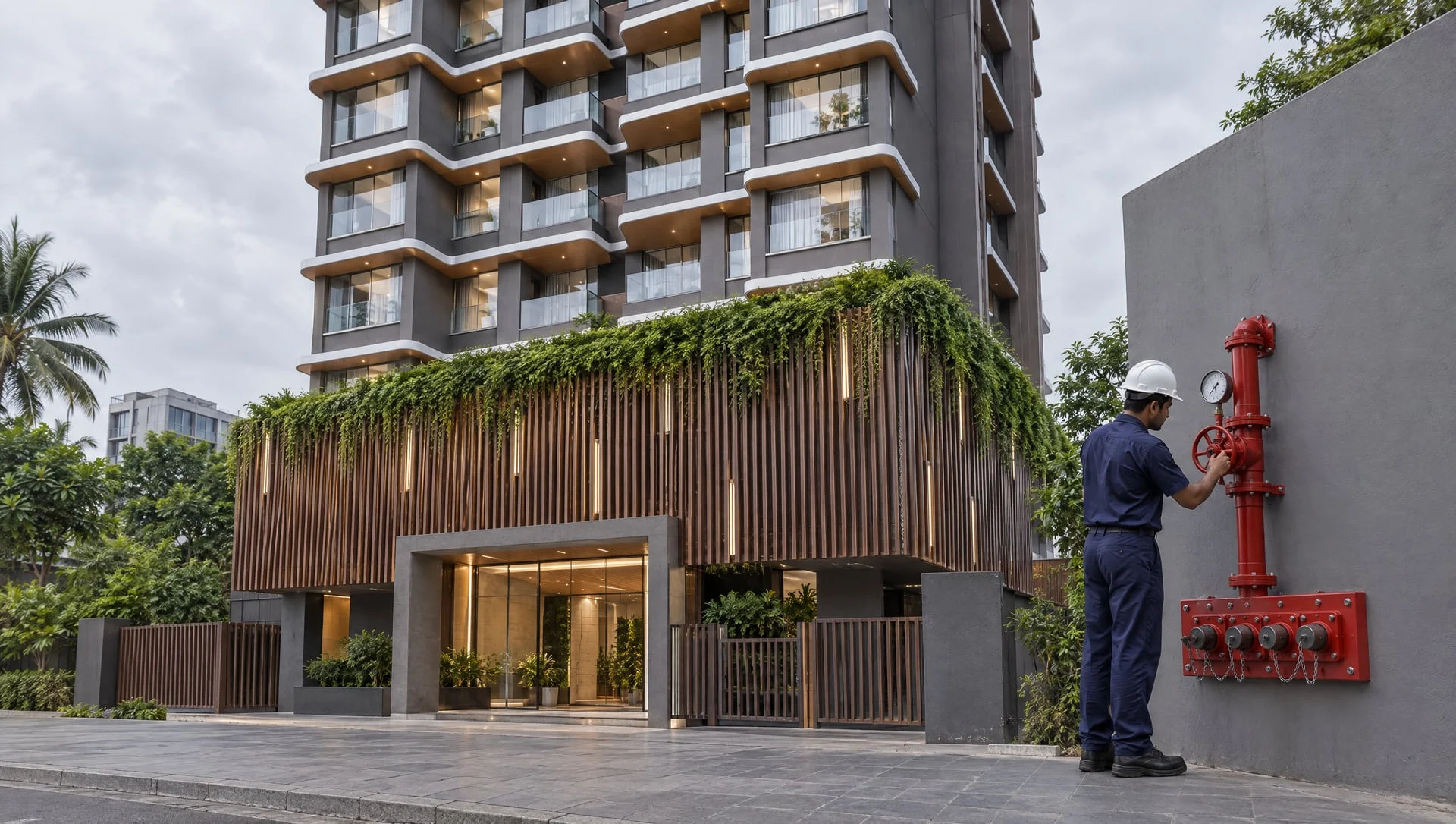
Palkhi MRDA, Kandivali (G + podium + 13), for KCD Realty
Fire detection with fire fighting, sprinklers and signage.
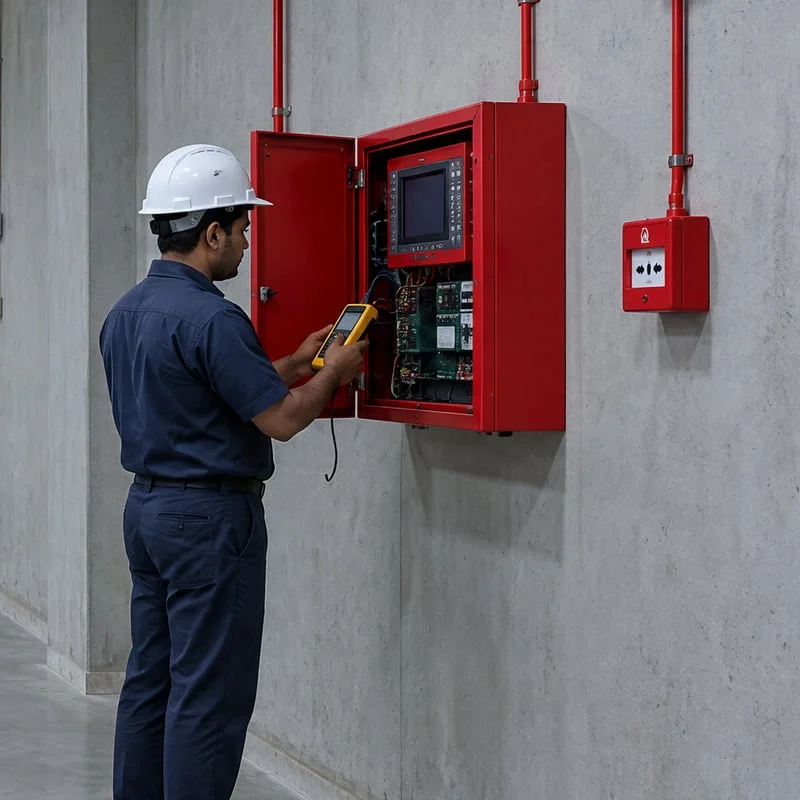

Adani Electricity Mumbai
Addressable fire alarm systems at 65 receiving substations, May 2024 to January 2026.
Maintenance and Form B
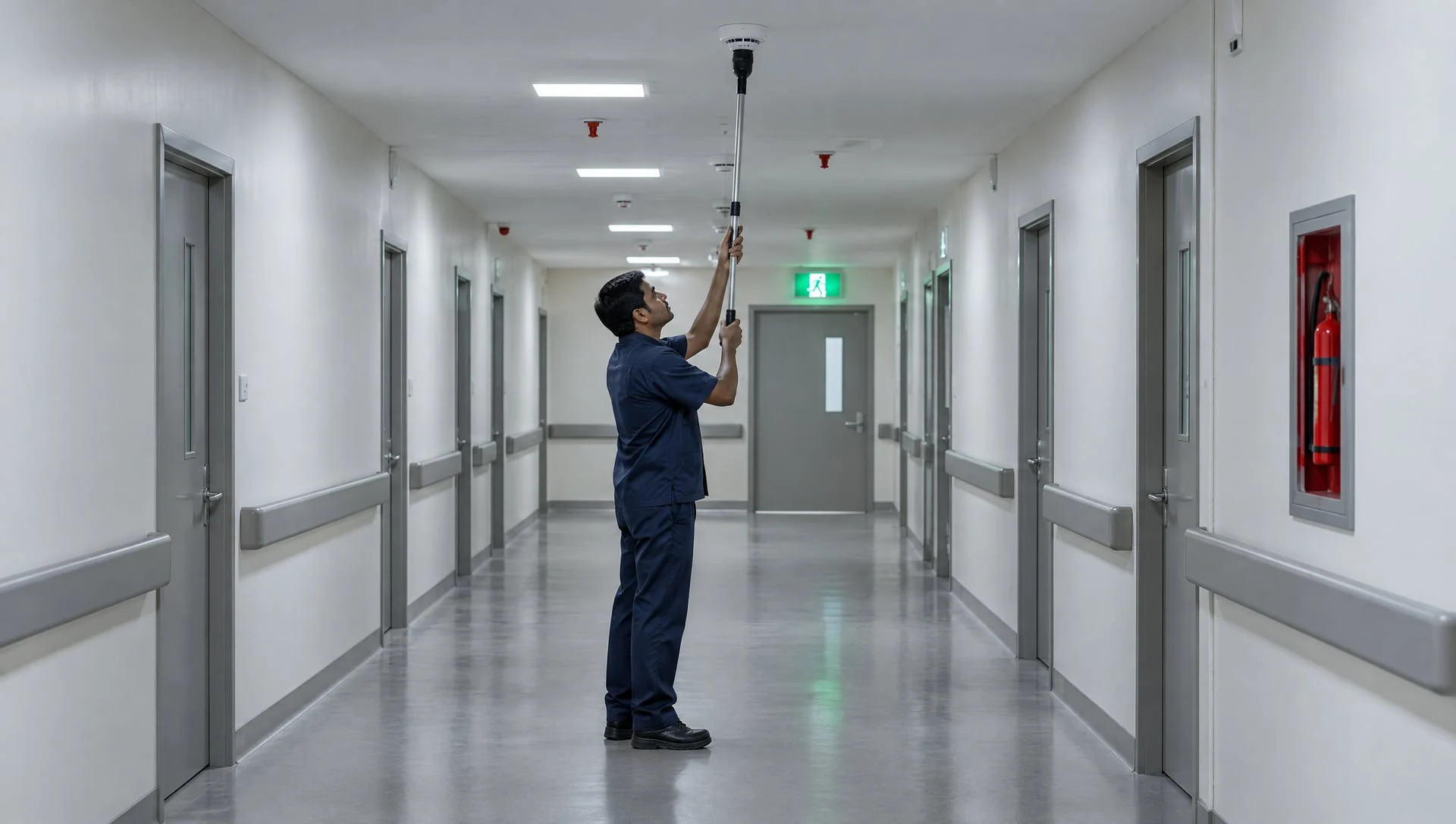
Under AMC we test every zone, detector and call point, check the hooters and the standby battery, and clean or replace dusty detectors before they cause false alarms. A licensed agency must inspect the fire systems and issue Form B every January and July, and we can include this in your AMC.
Why choose Cease Fire
Since 1992
1,500+ projects and the Rashtriya Nirman Ratna Award for Best Government Contractor (2002).
Licensed
Maharashtra Fire Services Licensed Agency (MFS/
LA/ ) and Maharashtra Electrical Contractor Licence No. 17545.RF-93/ RD-95 Every system type
Conventional, semi-addressable, addressable, wireless and PA, so we recommend what suits your building.
One team
Design, devices, installation, testing and AMC from one company.
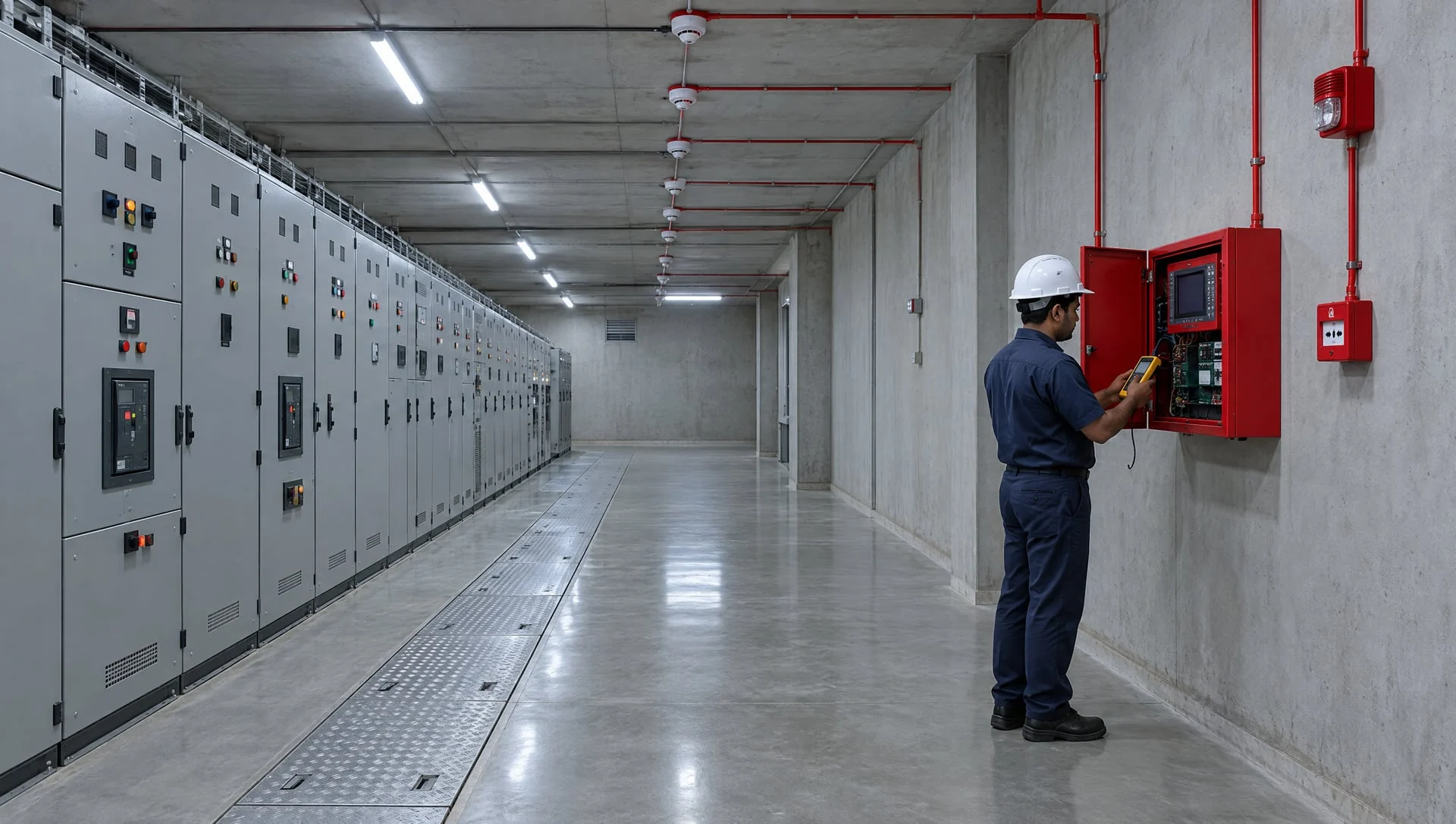
Book a free site survey
Send your floor plan, building type and location. We will survey the site, plan the zones and send a clear proposal.
Frequently asked questions
What is a conventional fire alarm system?
It is a fire alarm system in which detectors and call points are wired in zones. The panel shows which zone is in alarm, and staff search that zone to find the device.
How many detectors can be connected to one zone?
IS 2189 allows up to 20 conventional detectors per zone. Each zone should also be no larger than 2,000 m² and, in buildings over 300 m², cover only one floor.
Is a conventional fire alarm system cheaper than addressable?
Usually, yes, for small buildings with few zones, because the panel and detectors cost less. For large buildings the gap narrows, and addressable systems save time in fault finding.
Which buildings suit a conventional fire alarm system?
Shops, small offices, clinics, schools and smaller residential or commercial buildings where each zone can be searched quickly. We recommend the right type after a free site survey.
Why does my conventional panel show a fault?
Common causes are a broken or loose wire, a missing end-of-line device, a removed detector or a flat standby battery. A service visit traces and fixes the cause.
Can a conventional system be upgraded to addressable later?
Yes. It can be replaced in stages, and existing conventional detectors can often be kept on zone modules connected to an addressable panel.
How often should a conventional fire alarm be tested?
Most sites have quarterly checks and an annual service under AMC. A licensed agency must also inspect the system and issue Form B every January and July.
Have you installed fire detection on residential towers?
Yes. We installed fire detection with fire fighting, sprinklers and signage at Palkhi Roha in Kandivali East (G + 14), completed in April 2024, and at Palkhi MRDA in Kandivali. See the project pages.
Question not answered here? Call our team, Monday to Saturday, 9 am to 7 pm.
Call +91 9920676281